

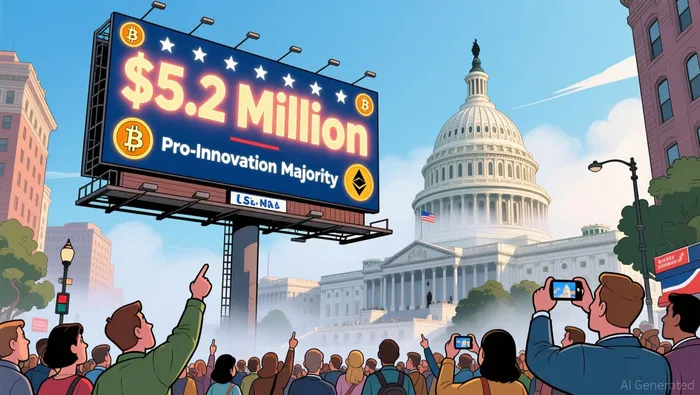
The industry is moving from defense to offense, and the numbers show it. In March, Fairshake PAC dropped a record $5.2 million in a single ad buy targeting Senate candidate Juliana Stratton in Illinois. This aggressive move signals a new phase in the 2026 midterms, where the primary objective is securing a bipartisan, pro-innovation majority to pass the CLARITY Act. The focus is on high-stakes races in Ohio, Texas, and Florida, where a few million dollars can flip a seat.
This spending is backed by a massive strategic war chest. As of April 2026, the cryptocurrency industry's political network reported a staggering $193 million cash on hand. This war chest, built after the landmark passage of the GENIUS Act in 2025, is now being deployed offensively to replace crypto-skeptics with lawmakers who can finalize market structure and determine if stablecoin issuers can offer interest-bearing yields.
The shift is clear. For the first time, crypto PACs are outspending traditional powerhouses like Big Oil and Big Pharma in key battleground states. This isn't just about individual races; it's about controlling the Senate Banking Committee, the historic bottleneck for digital asset legislation. The outcome will dictate the trajectory of the crypto market through 2028.
Legislative Milestones and Odds
The path to a landmark law is now a race against time. The odds of the CLARITY Act being signed into law this year are roughly 50-50. This uncertainty stems from the sheer number of unresolved issues that must be settled in sequence under severe legislative pressure.
Three key questions remain to be answered. First is the language around stablecoin yield, which could determine if these assets become a new interest-bearing vehicle. Second is the treatment of DeFi provisions, a major sticking point for regulators. Third is securing all Republican votes on the Senate Banking Committee, a task complicated by internal party divisions.
The bill's status is clear: it passed the House in July 2025 with bipartisan support and is now in Senate negotiations. This follows the landmark GENIUS Act passed in 2025, which established the federal framework for payment stablecoins. That framework is now moving into the rulemaking phase, with the Treasury Department's joint proposed rule on anti-money laundering and sanctions compliance just released. The final vote on the CLARITY Act is expected to be a 60-vote Senate floor showdown, a hurdle that grows more difficult with each passing week.
Market Impact and Price Action
Bitcoin is trading around $81,022.55, a level not held since January. This price action is a direct reflection of market sensitivity to the regulatory outlook for the CLARITY Act. The uncertainty surrounding the bill's passage is now the primary driver of Bitcoin's movement, as investors price in the November 3, 2026, midterms.
The market is exhibiting clear signs of this tension. Over the last 30 days, Bitcoin has seen 3.94% price volatility and a Fear & Greed Index score of 47 (Neutral). This combination of elevated volatility and neutral sentiment illustrates a market in wait-and-see mode, where each legislative development or political spending shift can trigger significant swings.
The setup is one of high-stakes anticipation. With the industry's $193 million war chest actively deployed in key races, the outcome of the midterms is now the single largest variable for Bitcoin's near-term trajectory. The price is effectively betting on whether the November vote will deliver the pro-innovation majority needed to finalize the CLARITY Act.