

A 2.8% COLA can still leave less cash in your pocket
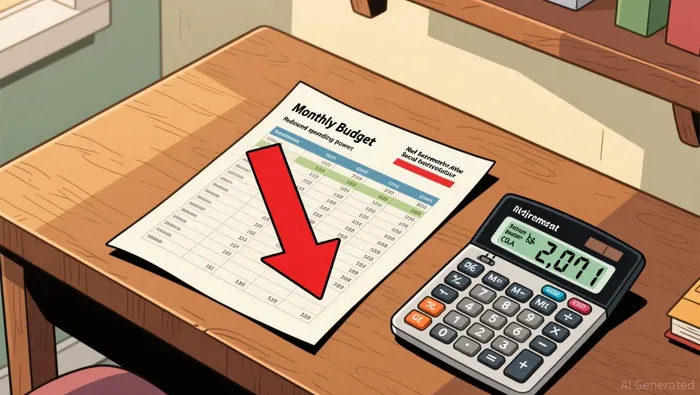
The 2026 COLA is 2.8%. On paper, that lifts the average retirement benefit from $2,015 to $2,071. In practice, that increase can be partially offset before it becomes money you can spend.
The main risk is not that the raise disappears for everyone. It is that your net payment can still shrink if you claim while working above the earnings limit. For people below full retirement age, that 2026 limit is $24,480.
The three planning mistakes that can erode a bigger check are straightforward: - claiming before full retirement age while work income is still likely - working above the limit without checking how the earnings test applies - missing or delaying Medicare Part B when it matters most
The common thread is timing. A larger nominal benefit does not automatically mean more spending power if benefit withholding or Medicare deductions hit the same budget.
Mistake #1: Claiming before full retirement age and working without doing the math
Claiming early can look like a useful bridge. But if you are still working, it can also trigger the Social Security earnings test.
Why the check gets reduced
If you are under full retirement age for the entire year, Social Security reduces benefits by $1 for every $2 above $24,480. If you reach full retirement age during 2026, the test is gentler: $1 for every $3 above $65,160, and it only counts earnings before the month you reach full retirement age.
Many people also miss an important detail: benefits withheld under the retirement earnings test are generally not lost forever. Once you reach full retirement age, your monthly benefit can be permanently increased to account for months when benefits were withheld.
What counts as earnings
Social Security counts wages, net self-employment earnings, bonuses, commissions, and vacation pay. It does not count pensions, annuities, investment income, interest, veterans benefits, or other government or military retirement benefits.
That means portfolio income alone may not trigger the earnings test. The risk is highest when current work is helping fund the household.
The mid-year rule that can help
If you file partway through the year, SSA may still pay a full benefit for whole months it considers you retired, even if your annual earnings go over the limit. For months SSA considers you retired, your earnings must be $2,040 or less and you must not have performed substantial services in self-employment. That means more than 45 hours a month in the business, or 15 to 45 hours in a highly skilled occupation.
Before you claim, check which rule applies to your situation and whether a mid-year filing strategy could help.
Mistake #2: Treating Medicare Part B like an afterthought
A Medicare enrollment mistake does not change the Social Security formula, but it can still reduce the cash you keep each month.
The main risk is simple: if you miss Part B when first eligible, or you cancel and later restart it, you may owe a late enrollment penalty for as long as you have Part B. That turns a one-time enrollment error into a long-term hit to monthly purchasing power.
What to verify before another payment cycle starts
- When does Part B actually start for you?
- Are you delaying inside a valid enrollment window, or outside it?
- If you receive Social Security, does your Part B setup match your household coverage needs?
A bigger Social Security check is less useful if withholding or a Part B penalty takes more out each month than you expected.
Mistake #3: Letting a future Social Security headline drive a permanent decision today
The louder headline is that Social Security's retirement trust fund is projected to become insolvent by the end of 2032. Under that scenario, typical benefits could drop by about $500 a month, or roughly 24%. That is a real long-term policy risk, but it is not the same as a current reduction in your check.
That distinction matters. Reform ideas already include capping couple benefits at $100,000 and changing how Social Security benefits are taxed. Those are policy options, not automatic rules that are already in effect.
The smarter approach is to protect the cash flow you actually have now. Do not let a future headline scare you into a permanent claiming or enrollment mistake today.