

The convenience store giant is undergoing a significant transformation that redefines its core business model. In a move that signals a departure from traditional growth strategies, the company is prioritizing quality over quantity by shuttering underperforming locations. This decision comes as the broader retail landscape shifts, with consumers becoming more selective about where they spend their money amid persistent economic pressures. The strategic realignment is not just a reaction to current market conditions but a proactive step to position the brand for future dominance in the evolving convenience sector.
Why Is 7-Eleven Closing 645 Stores In 2026?
The announcement of 645 store closures in the 2026 fiscal year marks a pivotal moment for the North American operator. This number significantly exceeds the 205 new locations the company forecasts opening during the same period, resulting in a net reduction of the physical footprint. The decision is driven by a need to optimize the portfolio in response to changing market dynamics, particularly the softening of personal consumption among low-income households . Inflation and geopolitical tensions, including the conflict in the Middle East, have strained consumer spending, prompting a reassessment of store profitability across the region .
A critical component of this strategy involves converting certain closed locations into wholesale fuel stores. This segment has grown to over 900 locations as of December 2025, representing a distinct operational model that differs from standard convenience retail . By consolidating locations and shifting focus to wholesale fuel, the operator aims to align its physical presence with current demand patterns and profitability goals without the overhead of full-service retail operations. This approach allows the company to capture value from fuel sales while reducing the costs associated with maintaining a large network of underperforming retail stores .
What Does The Strategic Shift To Food Forward Formats Mean For Investors?
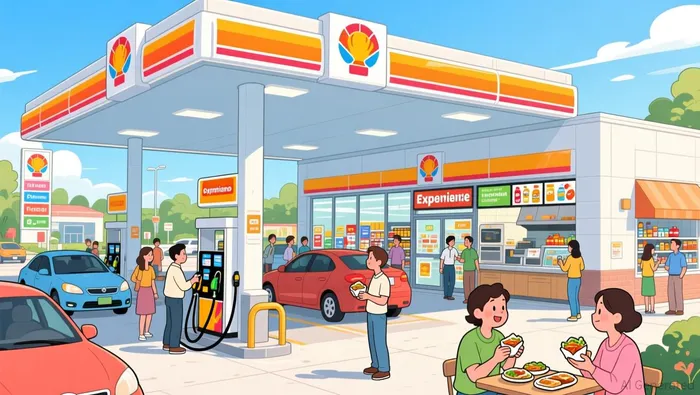
The closure of traditional stores is inextricably linked to a broader pivot toward "food-forward" formats. Executives have highlighted that newer, larger stores with expanded kitchens and seating areas drive average sales per store day approximately 18% higher than the system average . This data point is crucial for investors, as it suggests that the company is successfully transitioning to a model that competes more directly with fast-food restaurants and grocery retailers. The focus on made-to-order food and upgraded in-store experiences is designed to differentiate the brand in a crowded marketplace where traditional grab-and-go models are facing increasing competition .
This strategic realignment is part of a wider transformation plan under new leadership. Stephen Hayes Dacus, who became CEO last spring, has emphasized the need to tighten cost controls and optimize the supply chain. The company is also investing in its 7NOW delivery service to meet customers where they are, countering lower in-store foot traffic with digital convenience . Despite the North American contraction, the parent company projects global openings will outpace closures, with Seven-Eleven Japan planning to open 550 stores against 350 closures. This global growth strategy aims to offset regional declines and support the company's long-term growth objectives .
How Does This Impact Seven & i Holdings Revenue Outlook?
While the strategic pivot focuses on long-term health, the immediate financial impact is visible in the revenue projections. Seven & i Holdings expects its revenue to fall 9.4% for the current fiscal year, totaling a projected nearly 9.45 trillion yen, or approximately $59.5 billion . This decline is partly attributed to the softening of consumption in North America and the broader economic headwinds affecting the convenience sector. However, the company is seeking new growth opportunities through fresh food investments and the expansion of its delivery services, which are expected to drive future profitability .
The store closures also coincide with plans to take 7-Eleven public via an initial public offering in 2027. While closing stores, the company is simultaneously planning to open new, larger outlets that pivot to a food-focused design. The specific list of closing stores has not been released, though the chain operates more than 12,000 locations across 30 states. The strategic shift aims to replace underperforming units with larger formats designed to offer a wider range of fresh food, beverages, and prepared meals. This approach mirrors industry-wide efforts to differentiate from competitors by enhancing the in-store experience, positioning the brand as a destination rather than a mere convenience stop .
The move to close stores is the fifth consecutive year where store closures have exceeded openings, with the last year 7-Eleven expanded its net footprint being 2022. This long-term trend underscores a deliberate restructuring effort rather than a temporary reaction to market volatility. The company's focus on food-centric expansion is intended to drive higher sales per location and support its broader growth objectives ahead of the planned IPO. As the company navigates these changes, investors will be watching closely to see if the new formats can deliver the promised sales lifts and if the wholesale fuel segment can provide a stable revenue base.
In conclusion, the 645 store closures represent a bold strategic gamble by 7-Eleven to future-proof its business model. By shifting resources toward high-performing food-forward formats and wholesale fuel operations, the company aims to navigate the challenges of inflation and changing consumer habits. While the short-term revenue impact is negative, the long-term vision suggests a more resilient and profitable operation. For investors, the key takeaway is that 7-Eleven is actively restructuring to remain competitive in a rapidly evolving retail landscape, with the potential for significant value creation if the new model succeeds.