

Seven & i Holdings plans to close 645 convenience stores in North America during fiscal 2026 as part of a major restructuring effort. The strategy involves converting underperforming locations into wholesale fuel sites to reduce overhead while maintaining revenue streams. This move coincides with a delayed U.S. IPO, now targeted for 2027, as management prioritizes operational efficiency over rapid expansion. The pivot reflects a broader industry shift toward high-margin prepared foods and digital delivery platforms like 7Now.
The convenience store landscape is undergoing a significant transformation, and 7-Eleven is at the center of this shift. In a move that signals a strategic pivot rather than a retreat, parent company Seven & i Holdings has revealed plans to shutter 645 North American locations over the next fiscal year. This aggressive reduction is not merely a reaction to poor sales but a calculated effort to right-size the portfolio and prepare the business for a potential Initial Public Offering (IPO) in the United States. While the headline number of closures is stark, the underlying strategy focuses on replacing low-margin, traditional retail spaces with higher-efficiency models that better suit modern consumer habits.
The timeline for these closures is specific: the 645 stores will be closed between March 1, 2026, and February 28, 2027. During this same period, the company intends to open more than 200 new locations, resulting in a net reduction of 440 stores. This marks the fifth consecutive year where store closures have outpaced openings, extending a trend of deliberate consolidation. The decision comes as Seven & i navigates a delayed U.S. IPO, which has been pushed back by at least 11 months due to market uncertainty and a desire to finalize its transformation plan.
Why Is 7-Eleven Closing 645 Stores In Fiscal 2026?
The primary driver behind the decision to close 7-eleven closing stores is a strategic overhaul aimed at improving operational efficiency and profitability. The company is moving away from a reliance on traditional convenience store models, which often struggle with high labor costs and declining foot traffic driven by fuel sales. Instead, Seven & i is implementing a dual-pronged approach: converting many of the closed sites into wholesale fuel stores and investing in a new, larger-format store design focused on food.
In the wholesale fuel model, the location operates as a gas supplier without the retail staff and overhead of a full convenience store. This allows 7-Eleven to profit from fuel sales while significantly reducing operational costs. These converted locations are excluded from the standard store count, effectively removing them from the traditional retail metrics while still contributing to the company's revenue. This strategy mirrors similar "dealerization" programs successfully implemented by competitors like Arko Corp., highlighting a broader industry trend toward leaner, more efficient asset management.
Simultaneously, the company is redefining its physical presence by investing in a new store format designed to compete with chains like Wawa and Casey's General Stores. The goal is to open 1,300 of these new-format stores by 2030. These locations will feature expanded menus, seating areas, and fuel stations, targeting the growing consumer demand for high-quality, made-to-order food. This shift acknowledges that while fuel may attract customers, the store itself has become a primary destination for meals, with prepared food sales driving the majority of traffic in the modern convenience sector.
How Does The 7-Eleven Closing Locations Strategy Affect The IPO?
The store reduction strategy is inextricably linked to the company's plans for a U.S. stock market debut. Originally targeted for an earlier date, the IPO has been delayed until at least 2027. This postponement allows Seven & i more time to demonstrate the success of its pivot and stabilize the operational model before subjecting the company to public market scrutiny and capital demands. CEO Stephen Dacus has emphasized that the IPO is intended to drive shareholder value, not just raise capital, and will proceed only when the market can properly reflect the unit's value.
By closing 645 underperforming locations, the company aims to lower overhead costs and improve the overall health of its remaining portfolio. This consolidation is a key component of the company's long-term growth strategy and its preparations for a potential initial public offering. The delay also aligns with the company's efforts to address weak fuel demand and elevated pump prices, which have reduced store traffic and exposed the business's reliance on gasoline-linked sales. Management views 2026 as a critical year for executing a transformation plan that includes leadership reshuffles and operational overhauls.
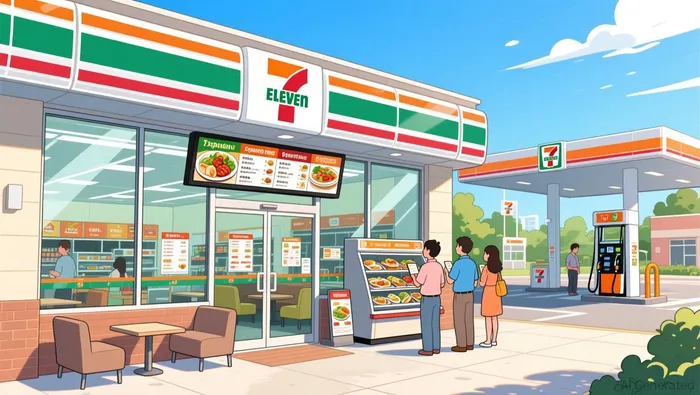
The company is also focusing on digital delivery through its 7Now platform, which generated nearly $1 billion in sales during fiscal 2025. The plan is to expand this platform to cover more than 50% of the U.S. population by 2030. This digital expansion complements the physical store restructuring, aiming to strengthen the company's food offerings and network. By balancing store closures with strategic openings of new formats, 7-Eleven is ensuring that its network aligns with current consumer demand, thereby maximizing the potential valuation of the business when it eventually goes public.
What Is The Future Of 7-Eleven Store Footprint?
The future of the 7-eleven closing locations network points toward a more selective and efficient footprint. While the company is reducing its total number of stores, it is simultaneously investing in quality over quantity. The focus is on larger, high-margin locations with expanded food and fuel offerings, rather than the traditional small shops that have characterized the chain's history. This shift is driven by structural changes in consumer behavior, including a rise in value-conscious shoppers and an increased demand for fresh, high-quality food.
Seven & i Holdings is fundamentally reshaping its business model in response to these shifts. The company plans to add roughly 200 7Now stores per year through fiscal 2030, with a target of covering more than 50% of the U.S. population. The current network of 7,500 stores is projected to grow to 8,500 by 2030, but this growth will be driven by new formats and digital integration rather than the simple addition of traditional convenience stores. The company aims to open 1,300 new-format stores by 2030, featuring expanded menus, seating areas, and fuel stations, mirroring successful models used by competitors.
This strategic pivot is not unique to 7-Eleven; it reflects a broader industry trend where convenience chains compete aggressively on fresh, made-to-order food to drive loyalty and sales. By restructuring its physical network, the company aims to improve efficiency and align its offerings with modern convenience trends. The closure of 645 stores is just one part of this larger transformation, which also includes cost-reduction measures like bringing maintenance tasks in-house and productivity improvement initiatives. As the company continues to adjust its network, it balances these closures with selective openings of new formats that better align with current consumer demand.
Ultimately, the story of 7-Eleven's store closures is one of adaptation. The company is shedding the weight of underperforming assets to build a leaner, more profitable business capable of competing in a rapidly evolving retail landscape. For investors, this signals a commitment to long-term value creation over short-term expansion, a necessary step before the company can successfully navigate the public markets. The success of this strategy will depend on the company's ability to execute its new format rollout and capture the growing demand for high-quality food and digital delivery services.
The path forward for 7-Eleven is clear: streamline the existing network, invest in high-growth formats, and leverage digital platforms to drive future revenue. The closures announced for fiscal 2026 are a bold move that underscores the company's determination to lead this transformation. As the company moves closer to its 2027 IPO target, the focus remains on demonstrating a robust, efficient, and modernized business model that can withstand the pressures of public markets and deliver sustained growth for shareholders.
