

AI-led stocks are still doing most of the work
The tape is still being pulled higher by a narrow engine: AI-linked chips and earnings momentum, not a broad risk-on unwind. Nasdaq 100 futures rose 0.77%, semiconductor stocks led gains, and that same concentration showed up across equities as Wall Street indexes traded near record highs even while Brent crude rose as much as 3%. For now, the market is rewarding the segments with the clearest earnings visibility rather than spreading enthusiasm across the full index.
Why AI optimism can still outweigh oil anxiety
This setup can keep working as long as investors believe earnings power can dominate geopolitical noise. Recent market commentary has framed the backdrop as cautious optimism, with AI demand supporting chip stocks and some investors assuming the conflict will ease without fully repairing inflation expectations. In that world, higher oil matters, but it does not yet override the appeal of the names posting the strongest numbers.
Hormuz is still the pressure point for markets
This is the part equity bulls cannot outrun with tech optimism: Brent crude rose 0.57% to $106.32 a barrel even after shipping data showed some improvement. Reuters also reported that about 30 vessels had passed through the Strait of Hormuz since Wednesday evening, versus 140 that were typical daily before the war.
Why a partially closed choke point still matters
That restriction is why oil remains such an effective risk lever. When normal traffic through the strait falls sharply, every headline about shipping, diplomacy, or escalation can move prices quickly. At one point earlier this month, Reuters said Brent hits $126.41 a barrel, highest since March 2022, while also noting the effective closure of the Strait of Hormuz and significant upside in regional oil prices. The market is still trading under the risk that supply stays constrained, not that the disruption has cleared.
The sensitivity was obvious when reports emerged that the U.S. and Iran were discussing a plan to reopen the Strait of Hormuz. WTI fell more than 6% in early Asian trade to $90.73 per barrel. That kind of swing shows why equities are still vulnerable: valuations are being set in a market that is still discounting the possibility of another energy shock.
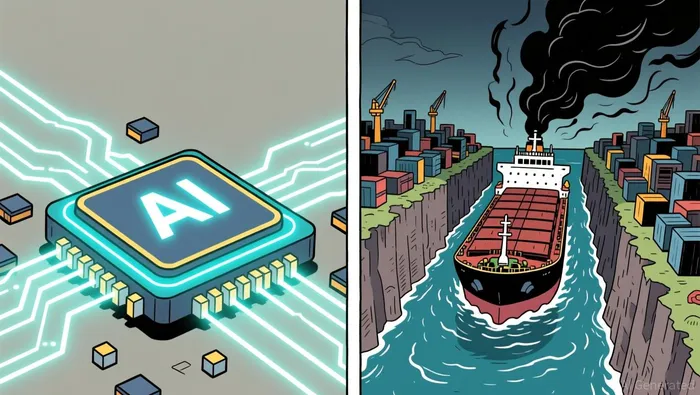
How high oil can still pressure stocks
The equity risk is not limited to a war premium in crude. Reuters also highlighted the risk of a renewed spike in global inflation and higher pump prices, while noting that oil and its refined products fuel transport, heating, industry, and key inputs such as plastics and fertilizers. If oil stays elevated for longer, the pressure can spread beyond gasoline into margins, inflation expectations, and the market's willingness to support rich multiples.
What would signal that the trade is breaking?
The setup stops being useful when the tape stops showing one clear winner. Right now, the daily question is straightforward: is oil fear still strong enough to interrupt Brent at $106.32 a barrel, or are equity flows still concentrated in the same AI-led chip names driving Nasdaq 100 futures rose 0.77% and Wall Street indexes traded near record highs?
The two signals that matter most
- Bullish continuation: semiconductor-led gains persist, futures stay positive, and oil fails to break higher despite an still-imperfect Hormuz reopening.
- Bearish warning: shipping through the strait improves without calming prices, or oil climbs again while tech leadership fades. That would suggest the market is no longer buying the idea that AI earnings can fully offset an energy shock.