

Anthropic is rolling out identity verification for a few use cases, not as a blanket requirement. The company frames it as a tool for preventing abuse, enforcing usage policies, and complying with legal obligations. The process is triggered by suspicious activity, with the company stating it will be used when it sees potentially fraudulent or abusive behavior. This is a targeted safety measure, not a direct monetization play.
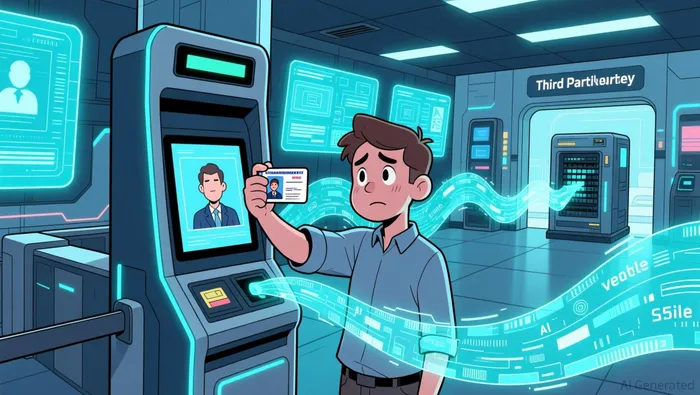
The mechanics are straightforward but sensitive. Users prompted for verification must provide a valid government-issued photo ID and a live selfie. The technology partner is Persona Identities, which will collect and store the user information. Anthropic maintains it is the data controller, but Persona is the entity handling the raw data flow.
This creates a new, high-risk data channel. The collected information-government IDs and live selfies-is stored by a third party, Persona. While Anthropic states it only uses your verification data to confirm who you are, the involvement of a subprocessor raises immediate privacy questions. Evidence suggests Persona may share data with 17 different subprocessors, a detail not fully disclosed to users. The flow is now from the user to Persona, with Anthropic's role being the requestor and policy enforcer.
The User Impact: Growth Hurdle or Necessary Guardrail?
The rollout introduces immediate friction for user access. Early reports detail real-world hurdles, like a 15-year-old user blocked from a LinkedIn account after attempting verification, unable to comply due to a lack of accepted ID. This creates a tangible barrier for younger users and anyone without a qualifying physical government document. The process demands a live selfie and a physical ID, a step up from simple email sign-up that could deter casual or privacy-conscious users.
This friction directly challenges Anthropic's established privacy-first positioning. The company has long marketed itself as a more user-centric alternative in the AI race. Introducing a system that funnels sensitive personal data through a third party like Persona, which may share it with 17 different subprocessors, tests that reputation. Users are now asked to trade privacy for access, a trade-off not clearly spelled out in the initial rollout.
The impact on growth is uncertain but potentially significant. While the checks are currently rolled out for a few use cases, the lack of transparency about triggers and affected features creates a chilling effect. Users may avoid certain capabilities altogether, fearing a sudden verification demand. This could slow user acquisition and retention, especially if the process is perceived as cumbersome or if data handling concerns persist.
The Strategic Context: Safety vs. Scale
Anthropic's identity checks are a direct response to its own product evolution. The move coincides with the launch of Claude Mythos, a restricted, high-risk model capable of autonomous vulnerability discovery. This isn't a general safety upgrade; it's a targeted control mechanism for the most powerful and dangerous capabilities. The company is essentially building a gated access system for its most advanced tools, reserving them for vetted organizations like Amazon and JPMorgan Chase.
This reflects a broader industry shift toward platform integrity, where companies are forced to balance innovation with accountability. As models like Mythos demonstrate unprecedented autonomy, the need for tighter access control becomes non-negotiable. Yet the implementation is selective and opaque. Anthropic's support page states users might see a verification prompt when accessing "certain capabilities," but the triggers remain a black box. This creates user uncertainty and a chilling effect, as people avoid features out of fear of sudden, unexplained verification demands.
The key watchpoint is whether this becomes a standard onboarding hurdle. For Anthropic to scale its enterprise and advanced model offerings, the current case-by-case rollout must eventually become routine. If identity checks become a prerequisite for accessing core features, they will directly impact the user growth needed for long-term scale. The company is trading friction for control, but the cost to its growth trajectory is now measurable.