

The hold was expected, but it was not a clean all-clear
The headline move was predictable. The Bank of Canada kept policy at 2.25% for a fifth consecutive meeting, as expected. But a pause is not the same as an all-clear. For now, the bank appears to be testing whether the energy shock remains localized rather than declaring the inflation threat gone.
Calm wording, but a clearer warning
The soothing part was explicit. The BoC said it is looking through the war's near-term impact on headline inflation and has seen limited evidence of broad-based pass-through from higher energy costs into the rest of the economy.
The harder part came right after it. The bank signals readiness to hike if rising energy prices begin to drive persistent inflation. That is the real tension for investors: not whether the BoC moved this time, but whether a late-year tightening move is still off the table. If energy pressure broadens, this pause can turn into action quickly.
Why the BoC can justify looking through oil
Core inflation still looks easier than headline inflation
The hold makes more sense when headline noise is separated from the underlying spending cycle. March CPI rose to 2.4% headline inflation, below the 2.6% consensus, while CPI ex-gas slowed to 2.2% from 2.4%. That split matters. If the shock were broadening, ex-gas would not be moving back toward target. So far, the pressure still looks concentrated in fuel, which strengthens the case for patience.
Canada's energy profile changes the transmission path
Canada's exposure to crude is not the same as a typical importer's. As a net exporter of crude oil, Canada collects more energy revenue when prices rise, which can cushion part of the hit to demand. The policy question is whether that effect starts widening into broader household spending and employment. So far, the bank still sees only limited spillover, and it is looking through the war's near-term impact on headline inflation.
What would weaken the case for patience
The debate is straightforward. If energy revenues continue to offset much of the demand shock and core pressure keeps easing, the bank's restraint looks reasonable. If higher energy costs start showing up more broadly in prices, wages, and expectations, that calculus changes.
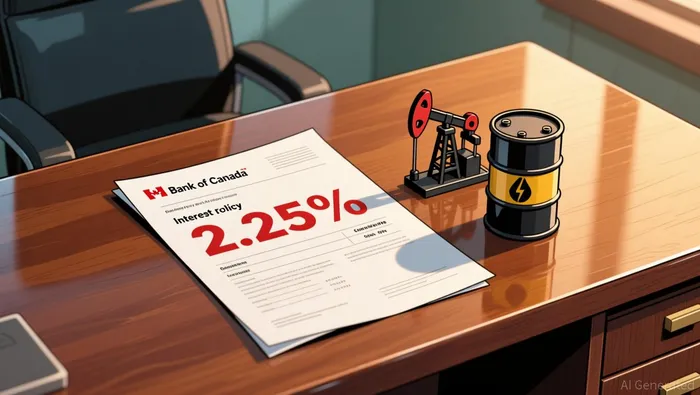
For now, the evidence still supports the bank's restraint. The BoC has said it will not let energy-driven inflation become persistent inflation and stands ready to respond if that changes.
The market is still leaving a late-year hike in play
OIS pricing still leaves room for another move
The hold bought time, but it did not remove the hike option. After the decision, OIS markets are pricing an October 25bps hike and almost half of another hike in December. That is a reminder that investors can too easily read this pause as a clean bill of health, when the narrower read is that the bank is waiting, not fully de-escalating.
Why the pause can still turn into action
The key tell is not the hold itself. It is the bank's follow-through language. It signalled readiness to hike if rising energy prices trigger persistent inflation, keeping the policy stance conditional rather than settled.
There is still a case for another pause. The labour market remains soft, and short-term inflation expectations tied to fuel prices don't warrant a near-term policy response. But that does not make further easing automatic. If energy pressure broadens before growth weakens decisively, the bank can move from patience to damage control quickly.