

Benzinga operates as a high-volume news engine, delivering breaking news to stay ahead of the pack through its real-time app and wire services. This constant stream of updates, including the Actionable Newswire, is designed to identify trade opportunities and engage users. The platform's scale, with over 100,000 subscribers, ensures its content reaches a broad retail audience.
The Benzinga Ticker Clickstream is a direct measure of that retail attention. This tool provides real-time insights into retail investor attention, turning headline views into quantifiable flow data. For traders, it signals which assets are generating immediate interest, often preceding or confirming price moves.
This analysis is embedded directly into major brokerages. E-brokerages like TD Ameritrade and TradeStation depend on Benzinga to feed their clients with breaking news and trading ideas. By integrating Benzinga's content into client workflows, these platforms aim to encourage more frequent trading, effectively channeling news flow into market activity.
Content Focus: Michael Saylor and ETF Developments
Michael Saylor's recent controversial take on AI demonetizing human capital is a high-impact narrative that Benzinga actively amplifies. His provocative view that hard work is becoming obsolete directly challenges traditional economic narratives, creating volatility in retail attention. This type of content, which questions the value of labor, resonates with a market seeking new growth drivers and often precedes shifts in asset allocation.
Simultaneously, Benzinga's extensive coverage of Bitcoin ETF developments acts as a direct catalyst for trading flow. The platform regularly reports on speculation around imminent SEC approval, a topic that has driven repeated brief spikes in Bitcoin prices. This news cycle creates a feedback loop: speculation fuels headlines, headlines drive retail attention via the Ticker Clickstream, and that attention can precede or confirm price moves.
The alignment of these topics with retail trading activity is clear. Saylor's bullish Bitcoin purchases and his AI commentary are frequently covered, linking his personal strategy to broader market sentiment. At the same time, ETF news is a persistent theme, ensuring that headline volatility remains high. This combination keeps the retail trading engine engaged, as each new development offers a potential trigger for action.
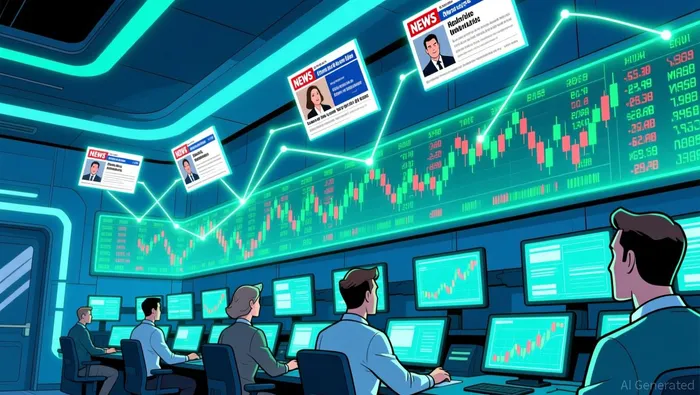
The Flow Impact: From Headlines to Market Participation
Benzinga's core product is built to convert news flow into trading action. Its real-time news feed is designed to catch breakout stocks before they rally, positioning itself as the fastest platform for retail investors. This focus on speed and exclusivity aims to turn headline views into immediate trade triggers, a function that directly supports its role as a catalyst for market participation.
The platform's content is explicitly framed as actionable trading ideas intended to engage users and encourage more frequent trading. By providing tools like real-time alerts and scanner data, Benzinga structures its output to drive client activity within the brokerages that integrate its services. This creates a clear pipeline: exclusive news → actionable signals → increased trading volume.
The scale of this impact is starkly contrasted by Benzinga's own operational footprint. The company is a private equity-backed platform with 206 employees, operating as a media and data technology firm. Yet, the trading volumes it helps generate are a separate, market-wide phenomenon. The flow of headlines it produces can influence asset prices and retail attention, but that liquidity is a byproduct of its content engine, not a direct measure of its internal business scale.