

The core financial story is a radical experiment in cost-saving. Principal photography wrapped in just 20 days on a custom-built soundstage, a fraction of a traditional shoot. The producers claim this AI-driven approach slashed the budget from an estimated $300 million to $70 million. This was an independent production, making the cost cut more feasible than for a major studio tentpole.
The setup was minimal: a drab, storage-facility-like room with basic props and neutral lighting. The plan was to generate all 200 distinct locations and cinematic environments in post-production using AI. This bypassed the massive costs of travel, physical sets, and traditional lighting crews. The claim is a genuine data-backed reduction play, a $230 million swing from the initial budget.
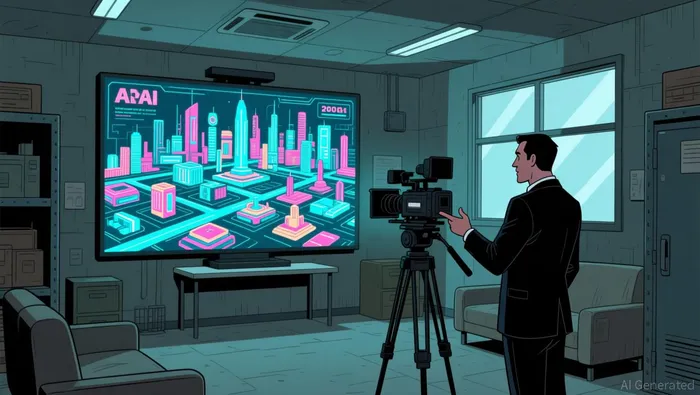
Yet the viability of this model hinges entirely on the final product's quality. The $300 million figure is itself questionable, as a conspiracy thriller seems unlikely to reach that scale. The real test is whether audiences and distributors accept the "gray box" aesthetic. For now, the numbers show a dramatic cost reduction, but the payoff depends on the film's reception.
The Financial Flow: Budget vs. Market Reality
The film's profile is the first disconnect. It's a high-profile thriller starring Casey Affleck, Pete Davidson, and Gal Gadot, a cast that typically commands a much higher production budget. Yet the producers claim a $300 million budget for a movie about people coding in rooms. That figure seems to assume a blockbuster scale of stunts and global location shoots, which the AI model was designed to avoid.
The real market reality is that this is an independent production, making the $70 million budget a significant investment for its profile.
This budget still raises a major ROI question. For an independent film, $70 million is a huge sum to recoup if it fails to attract a wide audience. The AI cost savings are real, but they may be offset by higher post-production costs for AI rendering and potential marketing expenses for a novel product. The setup is a classic trade-off: lower upfront production costs for potentially higher downstream friction.
The sustainability of the AI model is now in question. The producers' own admission that the $300 million figure was based on budgeting to shoot on location every time reveals a fundamental flaw. The AI cost cut was less about technology and more about a simple production decision: you don't need to shoot in Antarctica. The model's viability depends entirely on whether audiences accept the final product's quality, a risk that remains untested.
Catalysts and Risks: The AI Film's Path to the Box Office
The film's fate hinges on a single, high-stakes catalyst: its reception upon release. The entire $70 million investment depends on whether audiences and critics engage with the story and accept the visual style. Strong buzz and positive reviews are the only path to a profitable box office run and lucrative streaming deals. Without that initial traction, the film risks becoming a costly tech demo.
A major risk is that audiences perceive the AI-generated visuals as artificial or low-quality. The production's "gray box" approach, where lighting and environments are filled in post, creates a unique aesthetic. If viewers find this look jarring or lacking in cinematic depth, it could damage the film's reputation and severely limit its sales potential. The success of the AI model is not just about cost savings but about delivering a product that feels authentic.
The outcome will set a clear precedent for the industry. A successful film could accelerate AI adoption in other productions, validating the cost-cutting model. Conversely, a commercial or critical failure would likely slow adoption, reinforcing the industry's current preference for AI as a supportive tool rather than a creative replacement. The film is a binary test with high stakes for both Acme AI & FX and the future of AI-driven filmmaking.