

Bitcoin surged past $81,000, driven by a convergence of institutional exchange-traded fund inflows and a forced short squeeze. The rally was accelerated by historically unusual negative funding rates that eroded short seller margins over 46 consecutive days. This dynamic led to the automatic liquidation of over $427 million in short positions as prices moved upward. According to analysis.
The move was further supported by positive geopolitical developments involving a potential ceasefire extension in the Middle East. These factors boosted overall risk appetite at a time when the crypto industry gathered for Consensus 2026 in Miami Beach. As reports indicate.
Market participants are now evaluating whether Bitcoin can sustain this momentum toward the $90,000 target outlined by some analysts. The sustainability of the rally depends on continued institutional demand and the persistence of calm in global geopolitical markets. According to market analysis.
Why Did Bitcoin Break Out?
Futures funding rates had averaged -5% over the past 30 days, indicating that leveraged short sellers had dominated positioning during the first-quarter drawdown. When Bitcoin pushed through key resistance levels, these short positions became forced sellers in the opposite direction. This triggered a self-reinforcing squeeze that accelerated price gains. According to technical analysis.
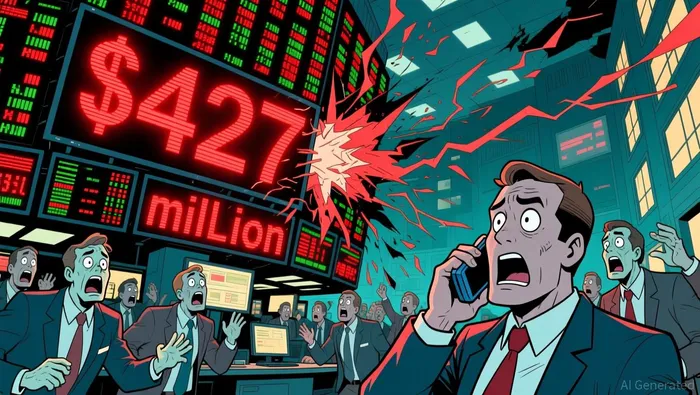
Onchain data revealed the financial impact on traders, with one individual closing a 700 BTC short at a $1.94 million loss. This single exit wiped out profits from 11 consecutive winning short trades. Multiple other positions were liquidated automatically as the price climbed through technical levels. As onchain data shows.
Spot market premiums on major U.S. exchanges showed consistent positive readings during the rally. This indicated real buying interest from investors rather than just leveraged speculation in derivatives markets. The divergence between spot buying and futures liquidation often resolves in favor of the spot trend. According to market observations.
What Do On-Chain Metrics Indicate?
Bitcoin is displaying early indicators of a bullish market shift, driven by improving on-chain metrics regarding short-term holder behavior. The Short-Term Holder Spent Output Profit Ratio has remained above the 1.0 line for an extended period. This metric indicates that newer investors are exiting positions in profit rather than panic-selling. According to on-chain analysis.
However, analysts caution that this metric alone is insufficient to declare a full bull cycle. The critical remaining barrier is the Short-Term Holder Realized Price, which represents the average cost basis of short-term holders. Bitcoin has yet to convincingly breach and sustain a move above this level. As analysts note.
The sequencing of a breakout above this threshold is vital for market confirmation. A brief spike without sustained follow-through would not qualify as a bull market signal. If Bitcoin fails to hold above this level, it may signal that the market is not yet ready for a sustained rally. According to market analysis.
Long-term holder metrics present a more cautious picture. The Long-Term Holder Spent Output Profit Ratio has dropped below the crucial threshold of 1. This signals that even seasoned investors are beginning to realize losses on their positions. As CryptoQuant reports.
Apparent Demand showed a brief recovery after recent sell-offs but quickly retreated to negative territory. This indicates an absence of persistent buying pressure, with market players remaining cautious. The CryptoQuant Bull Market Cycle Indicator currently signals a phase typically associated with bear market consolidation. According to CryptoQuant analysis.
How Is Institutional Sentiment Shifting?
Institutional investors show mixed sentiment on Target Corporation, with major holders trimming stakes while others increase positions. Pictet Asset Management Holding SA reduced its stake by 5.2% in the fourth quarter, selling 14,343 shares. US Bancorp DE also trimmed its position by 20.7%, selling 293,103 shares. According to filing data.
Conversely, Wealthfront Advisers LLC increased its holdings by 105.9%, acquiring 36,162 shares. Other smaller firms like First Trust Advisors LP and CWM LLC also increased their positions. Approximately 79.73% of Target's stock is owned by institutional investors. As filings show.
On the fundamental side, Target reported fourth-quarter earnings of $2.44 per share, beating the consensus estimate of $2.16. However, quarterly revenue of $30.45 billion fell 1.5% compared to the prior year. The company's net margin stands at 3.54% with a return on equity of 22.25%. According to earnings data.
Analyst sentiment remains predominantly cautious with a consensus Hold rating and an average price target of $117.39. Several firms have raised targets recently, including Morgan Stanley to $145 and Guggenheim to $140. Bank of America initiated coverage with an Underperform rating and a $103 target. As analyst reports indicate.
Target recently declared a quarterly dividend of $1.14, yielding approximately 3.5%. Management has set full-year fiscal 2026 earnings per share guidance between $7.50 and $8.50. According to corporate filings.
Bitcoin's current market cycle has dramatically underperformed compared to prior cycles in 2012, 2016, and 2020. This underperformance is characterized by fewer parabolic rallies and smaller overall price appreciation. A key driver of this structural change is the launch of Spot Bitcoin ETFs in January 2024. According to market analysis.
The launch of these ETFs has created significant institutional demand and altered market dynamics. This shift is evidenced by a drastic compression in volatility. The 30-day Realized Volatility dropped from 9.64% during the 2020 bull market to 1.58% recently. As data shows.
This calmness suggests a stabilization of momentum, potentially creating conditions for a future breakout. However, it contrasts sharply with the high-fluctuation environments of past cycles. Additional headwinds include Federal Reserve rate uncertainties and regulatory reforms. According to market analysis.
The Bitcoin Spent Output Profit Ratio remains slightly above 1.0014, indicating that most BTC is being sold at a small profit. This leaves room for a bullish rally if demand persists. Conversely, the OI-Weighted Funding Rate suggests that short traders are paying longs. According to technical indicators.
This indicates that a majority of traders remain bearish despite price recovery. The Fear and Greed Index sits in the neutral zone, suggesting that inherent demand conditions are fragile. The structural shift toward institutional stability may support a gradual bullish move. As market data shows.
Bitcoin is navigating a trading range between $60,000 and $73,000, a phase described as frustrating for market participants. This period is defined by heightened uncertainty and a lack of firm conviction. The market is currently eyeing the $72,000 to $73,000 resistance zone. According to CryptoQuant analysis.
A sustained close above this level with significant volume is viewed as necessary to shift the narrative from a short squeeze to a genuine momentum recovery. Until then, the dominant market psychology remains one of hesitation. As market analysis indicates.
Despite technical signals, Bitcoin has shown resilience against geopolitical shocks, such as the US-Israeli attack on Iran. It has outperformed traditional assets like gold due to its 24/7 trading structure. According to market reports.
The interplay between spot buying pressure and derivatives unwinding suggests that the market has cleared out weak hands. However, sustainability will depend on continued positive developments on both macroeconomic and industry-specific fronts. As data shows.