

Bitcoin is rising, but the underlying bid looks thinner
Bitcoin's rally is being driven more by derivatives positioning than by broad spot participation. That does not automatically invalidate the move, but it does make the market more sensitive to leverage and faster to unwind if that positioning cools.
The clearest warning is in trading activity. Crypto spot volume has crashed 81% since October 2025 and is now at its lowest level since October 2023. A rally backed by weaker spot participation is more fragile, because there is less fresh capital available to absorb supply across price levels.
The second warning is who is pushing the market. In April, perpetual futures demand turned positive, while on-chain apparent demand remained net negative even alongside strong ETF inflows and MicroStrategy's 34,164 BTC purchase. That points to a market being lifted by traders betting on direction rather than by a broad spot bid.
TradFi-style futures are creating exposure without real absorption
The more important shift is not just that spot is soft, but that a larger share of demand is now coming through derivatives.
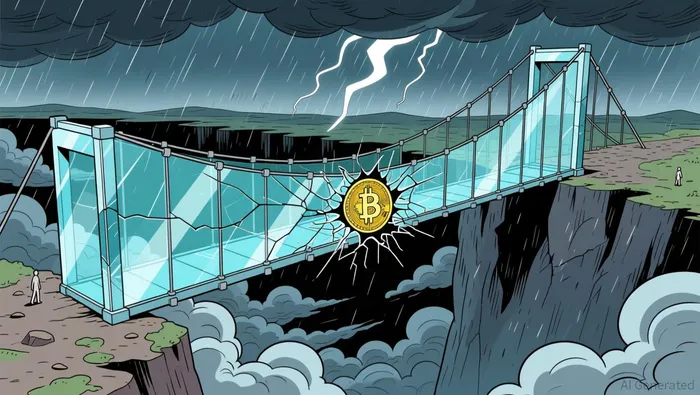
Exposure without absorption
The new buyer is not a true spot absorber. It is a derivatives participant creating exposure through TradFi-style perpetual futures on crypto exchanges. Those contracts can support price without the same kind of underlying buy-and-hold capital that spot buyers provide.
That distinction matters. A more durable rally usually needs buyers who take delivery and keep absorbing supply on weakness. Futures can help price in the short term, but they mainly affect leverage and open interest first. If that exposure fades, so can the support it provides.
The activity looks institutional, not necessarily permanent
What makes this setup more interesting is that the futures bid does not look purely retail-driven. Trade sizes signal institutional activity earlier this month, suggesting larger players are using this channel as well. Institutions may be more disciplined than retail traders, but derivatives exposure is still exposure and should not be confused with lasting spot commitment.
That is why the core pattern is familiar rather than new: April's rally was futures-driven. Bulls can read that as a sign of institutional participation; bears can read it as leverage in a cleaner wrapper. The evidence supports the first point more clearly than the second.
What would make the rally more credible
The next move matters less than the bid behind it. April centralized spot volume was $679 billion, the weakest monthly reading in more than two and a half years, and the recent surge was tied to perpetual futures. The practical test for investors is simple: is price being absorbed by real spot demand, or is it still leaning on derivatives?
What would confirm the risk
The cautious view stays in place if spot activity remains weak while futures positioning continues to do most of the work. In that scenario, rallies are more exposed to leverage flushes and thinner order books.
What would invalidate the setup
The bearish liquidity read weakens if spot demand improves and starts leading price action. Until that shift shows up, the market looks more like a derivatives-led rebound than a fully healthy trend.