

Brent above $126 signals a longer supply squeeze
Brent at $126.41 a barrel is no longer just a headline spike. With the U.S. benchmark West Texas Intermediate crude is up around 90% since late February, the market appears to be pricing a sustained supply squeeze rather than a tense week. The latest reports of possible U.S. force action against Iran are making that outlook harder to dismiss.
A string of reports is weakening the quick-deal case
Investors have seen a sequence of developments that keep pushing the timeline for de-escalation outward. First came reports that officials were preparing for an extended blockade of Iran. Then came signs that Trump rejected Tehran's proposal to reopen the Strait of Hormuz. Then Iran insisted the blockade must be lifted before negotiations begin.
That sequence matters more than another round of harsh rhetoric. Bulls can still argue that markets overreact in the short run. But the market is no longer responding to a vague threat alone; it is responding to developments that keep the quick-deal narrative looking less likely.
Why waiting can now carry its own risk
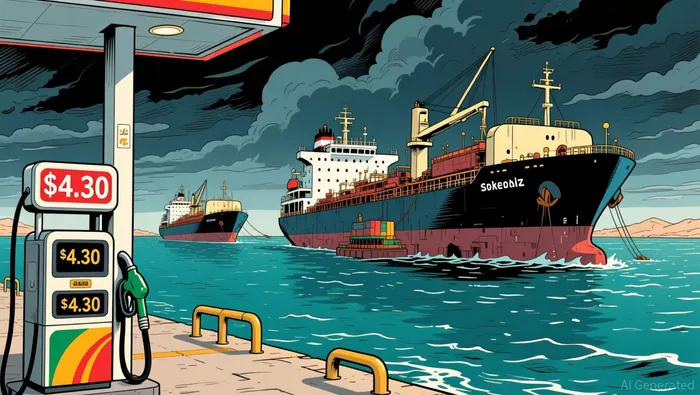
Yes, prices can reverse quickly if diplomacy suddenly unblocks. But the cost of waiting is not trivial. U.S. gasoline has already reached $4.30 a gallon, showing that the shock is already moving beyond futures charts and into the wider economy.
The Strait of Hormuz is doing more work than the headlines
Hormuz remains the core constraint
The key shift is physical, not rhetorical. The Strait of Hormuz is a major transit route for oil and LNG, and its disruption removes a practical substitute for Middle East supply. When that choke point is impaired, optimism alone does not clear the market.
That constraint is showing up in the data. U.S. crude, gasoline, and distillate inventories fell for a second week. Pair that with an Hormuz trading route that remains effectively unsettled, and the rally starts to look grounded in real market tightness rather than pure panic.
Why traders are treating fresh reports as proof
This is why fresh headlines now carry more weight. A report that aides were preparing for an extended blockade of Iran says more about duration than a generic call for talks. Iran's demand that the blockade must be lifted before negotiations begin matters for the same reason: it ties the bottleneck directly to the bargaining process.
Headlines can reverse in a day. A blocked transit route changes the math for refiners, inventory managers, and airlines. When markets have been burned by false calm, they tend to pay more attention to tangible supply constraints than to diplomatic optimism.
What could keep prices elevated - or force a pullback
Some traders are also weighing a partial bull argument: higher output from the UAE and delayed restart capacity in Iran could ease the shortage later. Even if that is right, those offsets matter more to the medium-term balance than to near-term pain. If Hormuz remains impaired through the peak-demand period, "later" may not matter much to pricing today.
The practical watchpoints are simple: the strait and inventories. If both stay tight, the rally can keep building.
What could make the oil premium bigger - or break it
The next move depends less on the latest headline and more on which confirmation arrives first: harder evidence that the disruption is spreading, or proof that diplomacy is finally moving.
Right now, the market is already paying for a serious squeeze. If Hormuz stays impaired and talks remain stuck, traders may justify pushing the war premium much higher. The pressure is already leaking into the real economy: U.S. gasoline has reached $4.30 a gallon, and policymakers needed to be "very cautious" about their next steps because energy costs could spread into airfares and other services.
Two catalyst paths
Path one: escalation beyond the current blockade
Watch for any sign the conflict expands beyond the current pressure campaign. A military briefing and talk of potential action against Iran matter because they raise the risk that this becomes a broader supply-shock story rather than a blockade story.
Also watch whether exports through the Hormuz chokepoint remain crushed. If that flow stays near 4% of normal levels, the market has room to reprice harder.
Path two: diplomacy that actually moves
The key reversal signal is not calmer rhetoric. It is a real change in process. Right now, efforts are at a standstill, and Iran insists the blockade must be lifted before negotiations begin. If that precondition shifts, the premium could break quickly.
The practical takeaway is simple: if physical risk widens, the premium can grow. If the bottleneck credibly starts to open, a market this sentiment-sensitive can unwind fast.