

CENTCOM's denial removed the loudest scare, not the whole risk tape
One denied headline cuts some fear, but it does not reset the full Hormuz trade.
CENTCOM clearly pushed back on the IRGC-linked claim that Iranian missiles hit a U.S. warship and blocked passage, saying No U.S. Navy ships have been struck while U.S. forces are supporting Project Freedom and enforcing the naval blockade on Iranian ports. That matters for markets: the most explosive escalation headline was rejected. But traders still have to price the broader risk that the Strait stays tense enough to keep risk assets on edge.
What bulls and bears are really weighing
Bulls can argue the denial removes the most dangerous immediate trigger and leaves room for a de-escalation bounce. Bears have the more cautious read: prediction markets show only 8% YES for Strait of Hormuz traffic returning to normal by June 15. That is not an all-clear signal; it suggests markets still expect disruption.
Crypto has already shown how it trades this kind of tape. Earlier this spring, when Hormuz briefly looked open, Bitcoin ran to above $78,000, then pulled back toward $76,000 as tensions flared again. The basic setup is straightforward: if traders start to believe normal traffic is coming, some war-trade premium can leave risk assets; if that confidence fades, sentiment can reverse quickly.
What matters now is not just one denied headline. It is whether the next few days bring enough improvement for markets to move from relief to a more durable de-escalation trade.
Why one denial is not the same as de-escalation
The key split now is between headline relief and real change on the water.
CENTCOM's pushback looks like noise control, not a green light
CENTCOM's denial matters because it removes the most alarming version of the story: that a U.S. warship was hit and the Strait was suddenly closed. But it does not prove the wider threat environment is easing.
The broader pattern is more important. CENTCOM has not just denied this latest IRGC-linked claim; it has also rejected earlier IRGC claims that 200 American pilots and aircrew were targeted in Saudi Arabia, calling those allegations false and saying similar claims about Dubai had also proven false. That pattern suggests a lot of the messaging is designed to test market reflexes with maximum shock value.
For traders, that keeps the setup uneasy. A denied headline can reduce some fear, but it is not the same as seeing actual de-escalation in tanker traffic or regional messaging.
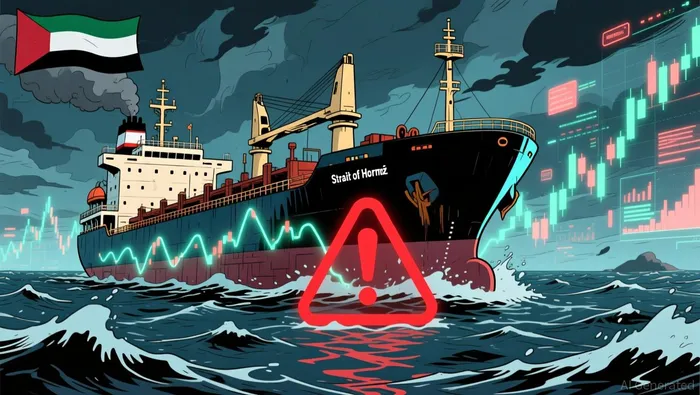
Why Hormuz still matters for Bitcoin
This keeps hitting crypto because Hormuz is not peripheral geopolitics. It normally carries about 20% of global traded oil. When that chokepoint gets tense, oil prices can spike, inflation concerns can return, and traders often start repricing liquidity expectations across risk assets. That is the channel that pulls Bitcoin into the move.
Crypto already showed how quickly that transmission can work. Late last month, reports of a possible diplomatic breakthrough sent oil lower and pushed Bitcoin back to around $69,900. The lesson from that episode was not just the price move itself. It was how fast traders reacted to changing expectations about Middle East disruption and tanker odds.
What would actually support a relief rally
The bull case is not simply that CENTCOM denied one post. The bull case is narrower: conditions improve enough to lower the odds of disruption. If that is coming, traders should look for concrete signals rather than rhetoric:
- Insurance and war-risk ratings for the Gulf improve.
- Shipping advisories stop expanding around the Strait.
- Tanker flow normalizes instead of staying constrained by threats.
Until those signals appear, prediction markets still look like the cleaner read on sentiment: only 8% YES for normal Hormuz traffic by June 15. That is not, on its own, a full escalation signal. But it is enough to keep the Hormuz risk premium alive in crypto.