

The 15th Five-Year Plan sets a clear direction for capital flows. It aims to lift the non-fossil fuel share of total energy consumption to over 30% by 2035, a long-term signal that will direct investment toward renewables and nuclear. This focus is supported by the plan's emphasis on expanding green technology leadership, including new battery types and green hydrogen. For now, the policy framework is a powerful magnet for clean energy funding.
The critical financial implication is the removal of binding constraints on fossil fuels. The plan lacks an absolute emission reduction target, allowing emissions to rise 3-6% by 2030. This creates a dual-track system where policy funds clean energy while permitting continued fossil fuel expansion. The result is conflicting investment signals, as projects in both sectors can now be justified under the new guidance.
This setup also means China's annual green energy additions are projected to fall by more than half compared to the 14th FYP, even as fossil fuel energy consumption is expected to increase by 8-10%. The plan's weaker carbon intensity target of a 17% reduction from 2026 to 2030 further undercuts the urgency for decarbonization. The bottom line is a policy that guides money toward clean tech while giving fossil fuels a green light to grow.
The Real-Time Flow: Record Investment Meets Seasonal Rebound
The policy targets are translating into massive capital flows, but the direction is not always clean. Thermal power commissioning in the first two months of 2026 surged over 400% year on year to a record high. This investment boom is a direct response to seasonal grid needs, not a long-term decarbonization push. Weak wind and nuclear output created a low base, driving a rebound in coal and gas generation that pushed power sector emissions higher in March.
At the same time, economic activity is the primary driver of emissions volatility. Industrial emissions fell sharply due to weak steel demand and lower steel and cement output. Cement production hit its lowest March level since 2020, and steel output declined. This shows that policy targets are being swamped by real-time economic cycles, where construction and manufacturing activity dictate fossil fuel use more than any climate directive.
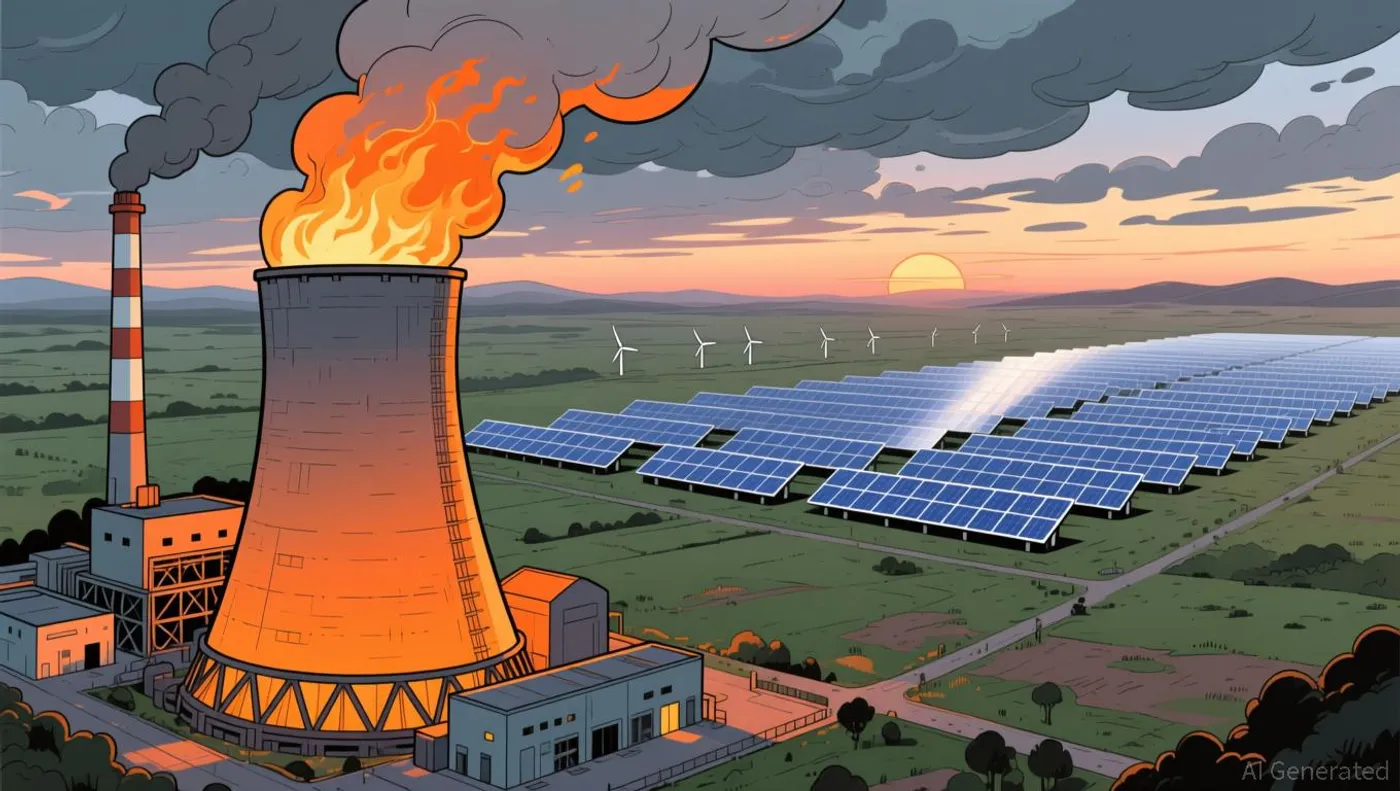
The flow of physical energy confirms this dynamic. While thermal power capacity expanded, solar cell output fell year-on-year, and oil and gas imports declined amid shipping disruptions. The bottom line is a system where capital is flowing into fossil fuel backup for grid stability, while industrial emissions are falling on weak demand. The policy provides a long-term signal, but the immediate flow of money and energy is dictated by seasonal weather and economic cycles.
The Investment Implication: Geopolitical Tailwinds vs. Domestic Headwinds
The clean energy investment race is being pulled in two directions. On one side, rising geopolitical risks are a potential tailwind. Standard Chartered economists note that China's diversified energy mix and long-term non-fossil focus have made it less affected by recent Middle East oil shocks. This resilience could boost global demand for renewables, benefiting China's export-oriented clean tech sector. However, this external catalyst is offset by significant domestic headwinds.
The primary domestic pressure is economic. The government's official 2026 growth target is 4.5-5%, the lowest since 1991. While Standard Chartered expects a slightly higher 4.6%, this slower growth trajectory likely pressures government spending and could slow the pace of non-fossil energy deployment. The policy's weaker carbon intensity target for 2026, which could allow emissions to rise, further reduces the urgency for rapid clean energy scaling.
The key watchpoint is which capital flow wins. Record investment into new coal capacity, like the 400% surge in thermal power commissioning earlier this year, is a clear signal of near-term fossil fuel expansion. For the clean energy sector's financial health to improve, capital flows into non-fossil energy must outpace this record coal investment. The setup is a tug-of-war between a geopolitical tailwind for exports and a domestic slowdown that may constrain the very policy-driven investment the sector needs.