

The core operational reality is a locked-in revenue stream. The distribution agreement between Coinbase and Circle for USDC automatically renews every three years and is perpetuity. This structure, confirmed by both the CFO and Chief Compliance Officer, ensures a stable and predictable flow of income for Coinbase. The contract's indefinite, non-terminable nature removes a potential strategic variable from future negotiations.
This perpetual renewal acts as a hard ceiling on the partnership's financial flexibility. With no termination clause, Coinbase cannot unilaterally exit the arrangement, nor can Circle force a change in terms. The executives have stated that the terms are already established and will continue to renew automatically. This creates a durable, low-risk income source but also cements the current commercial model for the foreseeable future.
The setup has clear implications for the business. It provides a baseline of revenue that is insulated from near-term market volatility or shifts in stablecoin usage. However, it also means Coinbase's financial outlook is inextricably tied to the success and regulatory trajectory of USDC. Any major regulatory change to the stablecoin ecosystem, like the recent yield payment debate, will impact this locked-in revenue stream without offering an easy exit.
Flow Impact: Stablecoin Volume and Derivatives Integration
The contract's stability provides a foundation for massive, predictable transaction volume. USDC is natively supported on 28 blockchain networks, creating a vast, interoperable base for payments and trading. This widespread adoption translates directly into on-chain flow, with Coinbase's role as a primary exchange and custodian capturing a significant share of that volume. The locked-in revenue stream is thus backed by a tangible, growing asset base.
Coinbase is now positioning this volume for the next institutional frontier: derivatives. The company is partnering with CFTC-regulated Nodal Clear to integrate USDC as eligible collateral for futures, targeting a launch next year. This is a major catalyst for locking in institutional liquidity and settlement flows. By becoming a formal cash equivalent in regulated derivatives markets, USDC gains a new, high-value use case that draws in professional capital.
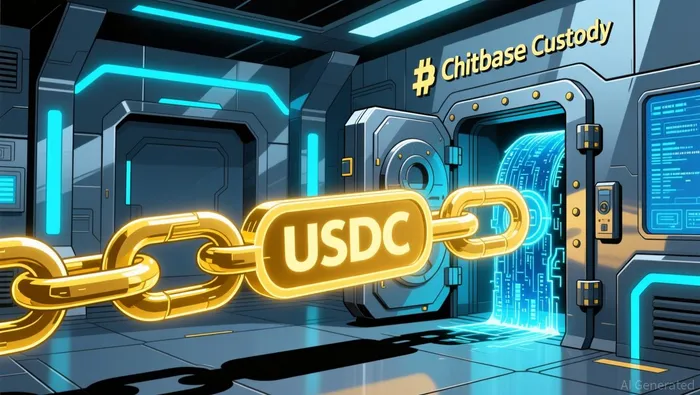
The integration targets a key efficiency gap. It promises near-instant money movement and secure custody through Coinbase Custody, addressing a core friction point for institutional traders. This operational advantage, combined with the regulatory clarity around USDC's status, creates a powerful feedback loop. As more institutional flows settle in USDC, the stablecoin's utility and the associated trading volume on Coinbase will likely accelerate, further cementing the locked-in revenue model.
Catalysts and Risks: Regulatory Yield and Competitive Pressure
The most immediate threat to the USDC revenue flow is a regulatory shift that could dismantle a key growth lever. A new bill text would bar platforms like Coinbase from paying customers yield on their idle stablecoin balances. This directly targets the primary incentive that has driven user deposits and on-chain volume for years. The market's reaction was swift: Coinbase's stock climbed 5% on the news, suggesting investors are pricing in a negative impact on yield-driven growth.
The revised language attempts to preserve some utility by permitting rewards for stablecoins used in bona fide transactions. This could theoretically shift user behavior toward spending, but it also introduces complexity and potential loopholes. Analysts note the bill may disintermediate banks from consumer finance, a major policy goal, but the banking industry is pushing back, calling the text insufficient. This creates a volatile legislative environment with a tight timeline for final passage.
The competitive landscape adds another layer of pressure. While Coinbase is locked into the USDC distribution, the regulatory uncertainty could embolden rivals. If USDC's growth slows due to yield restrictions, competitors with different regulatory approaches or tokenomics could capture market share. The locked-in revenue stream provides stability, but it does not insulate the company from a broader slowdown in stablecoin adoption or a shift in user preference.