

The headline you've seen reads: Colwood municipal workers deliver a strong strike mandate. What the headline doesn't tell you is that the more revealing story isn't the vote itself. It's the arithmetic behind the stalemate.
Colwood, a growing Greater Victoria community of roughly 23,500 people, saw its CUPE 374-represented workers head to the polls on June 9 after negotiations collapsed. The vote was in-person, which means turnout and unanimity matter more than a mail-in ballot where silence reads as indifference. An actual strike can begin as early as June 16 and run through June 18. We don't have an independently confirmed vote percentage yet - CUPE typically characterizes these mandates as "overwhelming" when the math supports it, and the pattern holds across British Columbia this year - but the direction is clear. The question isn't whether they voted yes.
The question is what a city approved to raise taxes by 4.22% last spring - trimming a proposed 7.54% hike down to $112 per average property - is doing telling its workers there's no fiscal room for fair wages and basic medical appointment leave. Colwood adopted its 2026–2030 Financial Plan on April 27. The multi-year plan is on the books. Tax revenue is flowing. And the two remaining sticking points are wages, where the city proposed a "two-tier" grid structure, and dedicated paid leave for medical appointments that the employer wants workers to draw from their sick leave instead.
Let's separate signal from noise on those two issues. The wage-grid dispute is about structure, not just a number. A two-tier system means new hires or newly reclassified workers earn less than legacy employees doing comparable work. That creates a slow erosion of internal equity over time. The union sees it as a long-term devaluation disguised as a savings measure. The medical-leave issue is smaller on paper but more visible in practice. Forcing workers to burn sick days on routine doctor visits means people start calling in sick for the flu just to preserve the days they actually need. It's a policy that looks like cost containment and functions as benefit erosion.
This isn't an isolated event. It's the latest node in a pattern. CUPE-represented municipal workers in Vanderhoof, Squamish, and the BC SPCA have all delivered strike mandates this year. The common thread isn't just wage pressure - though that's real. It's that small-to-mid-sized municipalities across British Columbia are asking their workforce to absorb structural concessions while passing fiscal plans and tax increases to residents. The arithmetic works on the spreadsheet if you exclude labour from the equation.
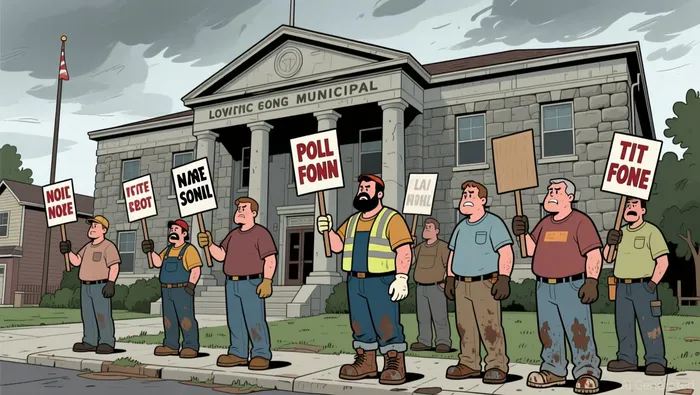
What happens next? If the strike starts on June 16, it will disrupt garbage collection, recreation programs, administrative services - the unglamorous infrastructure that makes a suburban municipality function. The political cost for Colwood council rises quickly because the service disruption is visible and the tax increase was already approved. That's the leverage point. Workers in these negotiations know that a 72-hour work stoppage is more painful than a 4.22% tax hike. Council knows it too.
The data gap worth flagging: no independent post-vote result has appeared as of writing. If you're tracking this, watch for CUPE 374's formal statement and any city response. A settlement before June 16 suggests the mandate was strong enough to move council fast. An actual walkout means the gap between what workers consider fair compensation and what Colwood is willing to pay from its approved budget is wider than either side assumed at the table.
Narratives move quickly. The factor stack - in this case the fiscal math - moves more slowly and usually tells you more. A city that raised taxes, cut its own budget from initial proposals, and locked in a four-year financial plan is unlikely to be structurally broke. It's choosing where the pain lands.