

Minnesota became the third state to ban cryptocurrency kiosks after $1 million in documented fraud losses. - Nationwide crypto ATM scams exceeded $389 million in 2025, with seniors as the primary targets. - Bitcoin Depot faces a class action lawsuit alleging it systematically facilitated fraud through its ATM network. - Federal data shows $11.4 billion lost to crypto-related fraud, prompting aggressive state-level bans.
Cryptocurrency ATMs are facing an unprecedented wave of legislative resistance and legal scrutiny as fraud losses reach record highs. What was once viewed as a vital on-ramp for digital asset adoption is now being classified as a primary vector for financial exploitation, particularly among older demographics. The rapid escalation of these bans signals a significant shift in how regulators and the public view the physical infrastructure of the crypto industry.
Why Are States Banning Crypto ATMs?
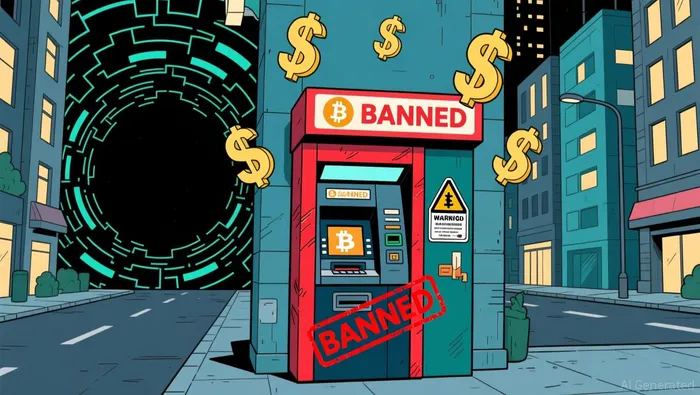
The wave of prohibition sweeping across the United States is driven by a stark reality: the convenience of cash-to-crypto conversion is being heavily exploited by criminal syndicates. Minnesota recently signed legislation into law making it the third state to outlaw cryptocurrency kiosks entirely, following similar moves in Tennessee and Indiana according to local reports. Under the new Minnesota law, operators must remove all machines by August and clear the physical equipment from their premises by December 31. State regulators cited nearly $1 million in documented losses from 120 complaints between 2023 and 2025 as the primary catalyst for the prohibition. The Minnesota Bureau of Criminal Apprehension noted that these machines pose a disproportionate threat because they facilitate untraceable transactions that law enforcement struggles to reverse.
The pattern of fraud is highly specific and devastating. Scammers frequently impersonate government officials, tech support agents, or romantic partners to coerce victims into depositing cash into the kiosks. Once the cash is deposited, it is instantly converted into cryptocurrency and transferred out of the country, leaving victims with nothing. The Federal Bureau of Investigation (FBI) reported that national losses from kiosk scams exceeded $389 million in 2025, representing a 58% increase from the previous year. Approximately 66% of these victims are over the age of 60, a demographic that often holds significant liquid assets but may be less familiar with the irreversible nature of digital currency transactions.
Local governments are moving faster than federal bodies to create what officials call "buffer zones" to protect their residents. The Spokane Valley City Council in Washington unanimously passed a ban, making it the second major municipality in the state to take such action. The ordinance requires operators of the estimated 20 kiosks in the valley to remove their devices within 30 days. City leaders emphasized that while scammers can direct victims to neighboring jurisdictions, establishing local hurdles is a moral necessity to save lives and savings.
What Are The Legal Risks For Operators?
Beyond legislative bans, the crypto ATM industry is facing intense legal pressure regarding its operational responsibility. A proposed class action lawsuit filed in Idaho federal court alleges that Bitcoin Depot systematically facilitated fraud by targeting consumers who lost funds via its ATM network. The lawsuit, brought by a couple who claimed they fell victim to such scams, details how plaintiffs were coerced into withdrawing funds from their bank accounts and depositing cash at Bitcoin Depot machines. The complaint suggests the company's operational model created vulnerabilities that scammers easily exploited, leading to significant financial losses for consumers.
This legal challenge underscores the growing scrutiny facing crypto-ATM operators regarding their responsibility in preventing fraudulent activities facilitated through their hardware networks. The average reported loss per crypto complaint stood at $62,604, with over 18,000 victims losing more than $100,000. The FBI's 2025 Internet Crime Report revealed that cryptocurrency-related complaints resulted in over $11 billion in losses, making it the costliest category of cyber-enabled fraud. The average loss per crypto complaint stood at $62,604, with 18,589 victims losing more than $100,000.
Connecticut has already taken regulatory action by suspending Bitcoin Depot's license after finding the company failed to refund fraud victims. Maine has begun compensating victims through a $1.9 million settlement with the operator. These developments indicate that operators can no longer rely on the argument that they are merely technology providers; they are increasingly being held accountable as gatekeepers of illicit financial flows.
How Does The Fraud Landscape Affect The Industry?
The crypto ATM industry is operating in an increasingly hostile environment. While operators argue that the machines provide essential access for the unbanked, state officials noted that previous regulatory measures proved ineffective as fraudsters adapted to bypass them. The Iowa Attorney General previously alleged that up to 90% of transactions were fraud-based at major operators like Bitcoin Depot. This statistic, if true, suggests a systemic failure in current compliance frameworks.
The shift in public and regulatory sentiment is reshaping the business model. The ban in Tennessee makes it a misdemeanor for retailers to host these machines, a move supported by elder justice advocates and law enforcement. Last year, Tennessee saw $142 million lost to cryptocurrency scams, part of a national trend where $11.3 billion was lost to ATM-related fraud out of $30 billion in total scam losses. By removing the physical access point for these transactions, states intend to create a hurdle for fraudsters and protect senior citizens from financial exploitation.
Experts warn that while regulations slow fraud, they do not eliminate it, urging a defense-in-depth approach combining AI detection, remediation, and education. As regulatory hurdles close traditional channels, fraudsters are expected to adapt by employing more sophisticated, AI-enhanced methods, suggesting that scam volumes will continue to evolve rather than disappear. For investors, the crypto ATM sector now carries substantial regulatory, legal, and reputational risk, making it a complex and volatile space to navigate in 2026.