

The headline says director Simon Henry bought more shares. The real story is about what that purchase means against the company's broken fundamentals. Henry's move is a personal bet, but with 54% of the company already in his pocket and no smart money following, it's a weak signal at best.
Henry's purchase was modest in dollar terms, a AUD $110,645.19 buy for 285,000 shares. That raised his total stake to 155.5 million shares. On paper, that looks like skin in the game. But the scale is misleading. Henry already owns 54% of the company. His recent buy is a tiny fraction of his existing 155 million share position. In reality, he's just shifting a few more shares into his personal account, not making a bold new commitment.
The bigger picture is more telling. The collective insider ownership is about 58%, meaning the group controlling the company is heavily concentrated in one person. This isn't a broad base of confidence; it's a single decision-maker's personal portfolio. When the CEO owns nearly all the voting power, the "insider buying" narrative becomes self-referential. It's a signal only to the extent that Henry believes his own stock is undervalued, which is a bet on his own future performance.
That performance is the problem. The stock is trading near a 52-week low of $0.345. It plunged 24.3% after the company reported a statutory net loss of AUD 12.8 million for the first half of FY26. The cash position collapsed from AUD 78.2 million to just AUD 16 million. In this context, a small personal buy looks like noise. It's not a vote of confidence from a group of informed investors; it's the CEO maintaining his personal stake while the fundamentals deteriorate.
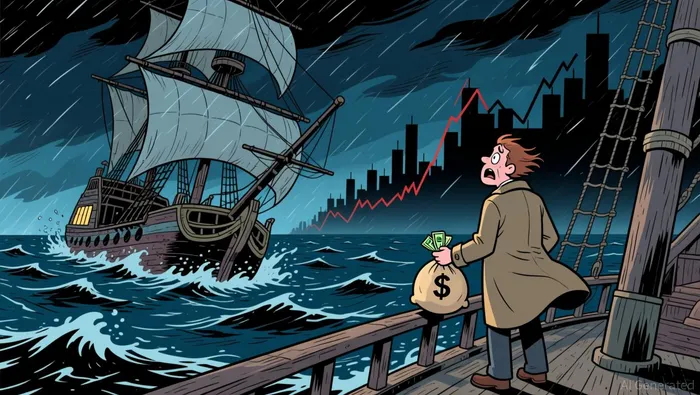
The absence of institutional accumulation is the real red flag. Large, disciplined money typically avoids companies with such volatile results and a single owner. The lack of a 13F filing from a major fund is a louder signal than any director's purchase. When the smart money stays away, it often means they see the risks-cash burn, a loss-making segment, and a CEO who controls the entire show-far outweigh any near-term bounce. Henry's buy is his skin in the game, but with the company's fundamentals in freefall, it's a bet that looks increasingly isolated and potentially risky.
Smart Money vs. The Whale Wallet
The question is whether to trust the insider signal. In this case, the answer is a clear no. The purchase by CEO Simon Henry is a classic example of a whale wallet moving its own coins, not a vote of confidence from the smart money.
Henry's buy was a tiny fraction of his existing empire. He increased his stake by 285,000 shares for a modest AUD $110,645.19. That raised his total ownership to 155.5 million shares. Given he already controlled 54% of the company, this was a rounding error on his personal balance sheet. It's not a new bet; it's a reorganization of his own assets. When the CEO's entire personal wealth is tied to a single stock, such a move doesn't signal conviction-it signals control.
The company's recent actions tell a different story. DGL Group just decided to delist from the NZX. The official reason was that the exchange was "of little or no value." The real driver, according to the exchange's CEO, was a reaction to Henry's abusive comments about a business associate. This isn't a value-maximizing decision; it's a narrative-control move. A company that would pull its listing over a PR scandal is not focused on building long-term shareholder value. It's focused on silencing critics, a trait that rarely aligns with disciplined capital allocation.
The final, most telling signal is the absence of institutional money. A quick check of institutional holdings data shows no major accumulation. There are no 13F filings from large funds buying in. In a vacuum, Henry's purchase might be seen as a personal bet. But with no smart money validation, it's just noise. Institutional investors are the ones who do the heavy lifting of analysis and risk assessment. When they stay away, it often means they see the same red flags we do: cash burn, a loss-making segment, and a CEO who controls the entire show. Henry's buy is his skin in the game, but with the company's fundamentals in freefall and the smart money on the sidelines, it's a bet that looks increasingly isolated and potentially risky.
Catalysts and What to Watch
The upcoming full-year results in October 2026 will be the first major test of whether DGL's operational recovery is real or just talk. The company has already shown some progress, with gross margin improving to 43.5% and underlying EBITDA holding up in key divisions. But the first-half results were a stark warning: a statutory net loss of AUD 12.8 million and a cash position that collapsed from AUD 78.2 million to just AUD 16 million. The October report will show if the company can translate its strategic initiatives into bottom-line profit and rebuild that cash buffer. For the insider signal to be prescient, the full-year numbers need to show a clear turnaround from the half-year losses.
In the meantime, watch for any further insider transactions. Henry's recent buy was a personal reorganization, not a bold new bet. The real signal will come from other executives. If they follow Henry's lead with meaningful purchases, it could suggest a broader belief in the turnaround plan. But if the only buying is coming from the CEO, it reinforces the view that the conviction is isolated. The absence of institutional accumulation means there's no smart money validating the story. Any shift in sentiment from other insiders would be a more credible signal than the CEO's own wallet move.
The key risk is that the PR damage and financial headwinds continue to outweigh the CEO's personal investment. The decision to delist from the NZX over a PR scandal is a distraction that drains focus from operations. At the same time, the company faces persistent challenges: driver shortages in logistics, ongoing issues in environmental services, and the lingering impact of an ERP system rollout. These are the real pressures that determine cash flow and profitability. Henry's AUD $110,645.19 buy is a rounding error against the scale of these problems. Until the company demonstrates it can manage these headwinds and generate consistent cash, the insider buying looks less like a vote of confidence and more like a CEO maintaining his personal stake in a sinking ship.