

Dollar swings are tracking Hormuz hopes, not a clean macro shift
The dollar move has been real, but it has also been noisy. The greenback gained about 3% in the first month on short-covering and a partial safe-haven bid, then lost most of those gains. After the latest peace-bid pullback, the dollar index was back at 97.950, while Brent was still around $105 a barrel as hopes of getting ships moving through Hormuz faded. That tells you investors are still trading the next headline rather than locking in a new macro regime.
Oil, not dollar fundamentals alone, is driving the tape
This looks less like a clean de-risking of the dollar than an oil-led sentiment loop. When traders think a deal could reopen the Strait of Hormuz, they price cheaper crude, softer inflation pressure, less Fed tension and, in turn, a weaker dollar. When those hopes slip, oil bounces back and the dollar gets support again.
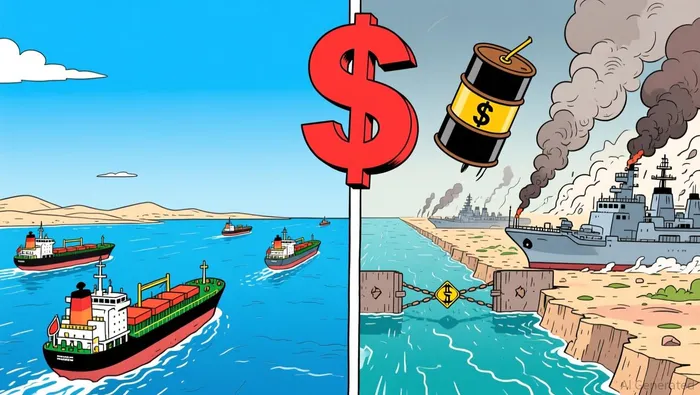
That helps explain why the pairings keep flipping. On de-escalation hopes, the US dollar slipped and oil briefly fell below $100 a barrel. A few days later, as deal hopes faded, Brent crude futures were up 0.7% to $105 and the dollar rose with it.
Why the relief trade can crack if Hormuz does not open
A ceasefire headline is not the same as an oil fix
The market wants a shortcut: ceasefire equals calmer oil, lower inflation, less Fed tension and a weaker dollar. That is more wishful thinking than mechanics. Even under the latest reported framework, the Strait of Hormuz would only be opened about 30 days after a deal ending hostilities. And the proposal would still leave unresolved the demand that Iran suspend its nuclear program and reopen the Strait of Hormuz.
Reuters said the proposal would formally end the war while key U.S. demands remained outstanding. RBC said a memorandum to resume talks over the next 30 days was unlikely to translate into an immediate resumption of shipping traffic and major production restarts. That gap is where today's optimism can break.
Investors may get a ceasefire without the oil relief they expect
If the agreement stops at a ceasefire without clear Hormuz access, markets may get exactly what RBC warned about: a political pause without an energy fix. In that setup, geopolitical stress can ease enough to calm panic, but not enough to reverse the oil shock.
This back-and-forth is not new. After weekend peace discussions broke down, the U.S. imposed a blockade on Iranian shipping, yet traders still leaned toward hoping for a resolution. The next day, markets were weighing supply risks against the prospect of continued dialogue. That pattern shows how easily participants can overvalue the existence of talks and underweight the terms needed to move barrels.
Why the inflation fear has not gone away
The backdrop keeps that risk alive. The conflict has been described by the International Energy Agency as the worst-ever energy crisis, with Brent nearly 40% above pre-war levels. That keeps inflation risks alive and limits how easily higher oil can be ignored. Even after the Fed's recent pause, rate futures had shifted from pricing multiple cuts to a hold and even a slim chance of a hike.
What to watch if the dollar-and-oil trade is going to stabilize
The practical call is to track the fear premium, not forecast a clean dollar trend. Reuters' strategist poll still points to the greenback staying range-bound before weakening later this year, with war sentiment the dominant force. For now, the cleaner map is to stay selective in the range and let oil tell you whether the market is getting real relief or just a pause in panic.
The signals that matter most
Watch whether reopening moves from discussion to schedule. Under the latest reporting, a Hormuz opening is tied to about 30 days after a deal ending hostilities. That delay matters. Markets can absorb ceasefire chatter; they usually do not absorb delays well.
A useful trigger list:
- If Hormuz access remains unresolved after the ceasefire headline, the relief trade is likely to weaken.
- If oil stays elevated, inflation concerns can keep supporting the dollar from within its range.
- If ceasefire talk cools markets but the dollar rose while Brent crude futures were up 0.7% to $105 again, the expected de-escalation pattern is breaking down.