

The persistent gap between employer actions and employee experience isn't a simple communication failure. It's a collection of 10 behavioral disconnects, each fueled by a specific cognitive bias. Together, they form a systemic drain on productivity, costing the global economy an estimated $10 trillion annually. Let's diagnose these symptoms.
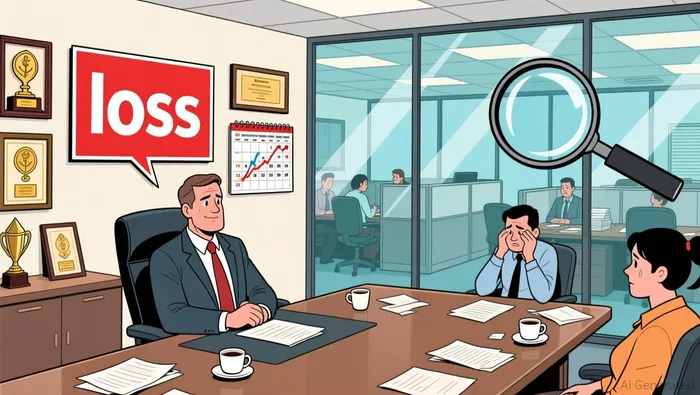
The Misunderstanding Gap: 46% of employees believe their boss only somewhat or rarely understands their contributions. This is a classic symptom of the "illusion of transparency" bias, where leaders overestimate how well they know their team's work and struggles. The result is a workforce feeling fundamentally unseen, which erodes trust and motivation.
The Engagement Collapse: Employee engagement in the U.S. has fallen to 31%, the lowest level in ten years. This isn't just a metric; it's a signal of widespread cognitive dissonance. When employees' daily realities clash with company values or promises, they experience mental discomfort. To resolve it, many disengage entirely, a rational choice from their perspective to protect their well-being.
The Gen Z Perception Chasm: 44% of Gen Z report misperceptions about their workplace. This disconnect stems from anchoring bias-leaders may be anchored to outdated models of work, while younger employees anchor their expectations to new norms around flexibility and purpose. The gap creates friction and a sense of being misunderstood.
The Control vs. Autonomy Tug-of-War: Companies are mandating office returns and flattening layers, but the workforce is evolving-and fast. This push for control often triggers loss aversion. Leaders fear losing stability and oversight more than they value the potential gains in morale and innovation from flexible work, leading to decisions that feel punitive to employees.
The AI Adoption Blind Spot: Leaders may feel they are "winning with AI," but the reality is they are "probably falling behind." This is a case of overconfidence bias and recency bias. Leaders see initial AI tools and assume mastery, while employees experience the messy reality of implementation gaps and workflow disruptions, creating a dangerous perception gap.
The Burnout Perception Gap: While burnout is discussed, the more damaging crisis is the perception gap where employees feel misunderstood. This disconnect is often ignored because it doesn't present as a clear, quantifiable burnout metric. Leaders may focus on visible stress while missing the deeper, more corrosive feeling of being unseen.
The Investment Justification Trap: Teams often stay the course on failing projects because the discomfort of admitting a loss is greater than the discomfort of bad numbers. This is cognitive dissonance in action, where the team had invested too much to be able to stop. The bias to justify past investments leads to massive resource waste.
The Values-Actions Divide: When a company says it's "people-first" but practices rigid policies, employees experience cognitive dissonance. As noted, this happens when employees experience a gap between what they believe and what they're expected to do. The resulting tension is a silent drain on morale and loyalty.
The Herd Behavior in Decision-Making: In meetings, when a dashboard shows red flags, the team may nod along to maintain harmony rather than challenge the narrative. This is herd behavior, where individuals suppress their own observations to conform. It leads to collective blind spots and poor decisions, as seen when nobody pushed back on a failing project.
The Active Disengagement Surge: Actively disengaged employees now make up 17% of the workforce. These are not just unhappy workers; they are resentful and acting out. This is the extreme endpoint of accumulated disconnects, where loss aversion (fear of change) and cognitive dissonance (values clash) have been unresolved for too long, turning employees into active obstacles.
These 10 disconnects are not isolated incidents. They are interconnected symptoms of a workplace where human psychology-fear, ego, the need for consistency-is driving decisions that undermine the very productivity they aim to protect. Recognizing them as behavioral biases is the first step to fixing the system.
The Behavioral Engine: How Biases Drive the Disconnects
The 10 disconnects we've diagnosed are not random failures. They are the predictable outputs of a few core cognitive biases that distort judgment and drive costly decisions. These biases create a self-reinforcing loop where leaders act on flawed perceptions, deepening the very gaps they aim to close. Let's examine the four most persistent drivers.
Cognitive Dissonance: The Core Driver of Internal Conflict This is the engine behind the most corrosive disconnects. Cognitive dissonance occurs when a person's actions clash with their beliefs or values, creating mental discomfort. In the workplace, this manifests when a company's stated values-like being "people-first" or championing innovation-don't match its actual practices, such as demanding overwork or punishing failure. The evidence is clear: This dissonance happens when employees experience a gap between what they believe and what they're expected to do. The result is not just frustration, but a silent erosion of trust and engagement. Employees are forced to choose: change their actions to fit the company's behavior (and compromise their values) or adjust their beliefs about the company (and lose faith). This internal tension is a primary cause of the 31% engagement rate and the active disengagement that follows.
Loss Aversion: The Sunk Cost Fallacy in Action The pain of loss is psychologically twice as powerful as the pleasure of gain, a principle known as loss aversion. This bias explains why teams cling to failing projects long after they should be abandoned. The evidence is stark: The team had invested too much to be able to stop. The emotional cost of admitting a project's failure-of acknowledging wasted time, money, and effort-feels greater than the ongoing cost of continuing it. This leads to the tragic silence seen in the product team example, where warning signs were ignored. Loss aversion turns rational business judgment into a defense mechanism, ensuring that resources are poured into doomed initiatives simply because they have already been invested in.
Confirmation Bias: Seeking Validation, Not Truth Managers often fall prey to confirmation bias, actively seeking information that supports their existing decisions while filtering out contradictory evidence. This creates a dangerous feedback loop. When a leader believes a project is on track, they may only pay attention to positive metrics or dismiss early warning signs. This bias directly fuels the perception gap. A manager may anchor on their own view of an employee's contribution, seeing it as strong, while ignoring the employee's reality that they feel unseen. As the evidence notes, 46% of employees believe their boss only somewhat or rarely understands their contributions. Confirmation bias makes it easier for leaders to overlook this disconnect because it doesn't fit their narrative of being a good listener and observer.
Anchoring: The Perception Gap's Foundation Anchoring is the tendency to rely too heavily on the first piece of information encountered. In the workplace, this often means managers anchor on their own initial impression of an employee's work or a project's potential, then fail to update that view even when new data arrives. This is the root of the perception gap. A manager may anchor on a past success and assume an employee is still performing at that level, missing current struggles. Similarly, a leader might anchor on a positive early AI demo and assume the entire implementation is successful, while employees grapple with workflow disruptions. This anchoring creates a persistent misalignment between the manager's reality and the employee's lived experience, making the disconnects difficult to resolve.
Together, these biases form a powerful system. Cognitive dissonance creates the underlying tension, loss aversion makes people cling to failing paths, confirmation bias shields them from the truth, and anchoring locks them into outdated views. The result is a costly cycle of misjudgment and disengagement that drains productivity and talent.
The Financial Toll: From Disconnects to Bottom Line
The behavioral disconnects we've diagnosed are not abstract HR issues. They are direct drains on the bottom line, translating into concrete financial costs that ripple through P&L statements and balance sheets. The scale of the damage is staggering. When global employee engagement declined last year, it cost the world economy approximately $10 trillion in lost employee productivity, or 9% of GDP. That figure represents the collective output of millions of disengaged workers, a massive tax on global growth.
This isn't just a macroeconomic statistic; it hits individual companies through higher turnover and recruitment expenses. Disengaged employees are more likely to leave, and the cost of replacing them is well-documented. The perception gaps that fuel disengagement-where 46% of employees believe their boss only somewhat or rarely understands their contributions-accelerate this exodus. When employees feel unseen and undervalued, they stop investing discretionary effort and start looking elsewhere. This churn is expensive, consuming budget on hiring, onboarding, and lost productivity during the transition.
Beyond turnover, these disconnects cripple the very engines of growth: talent retention and innovation. Perception gaps directly lead to career setbacks, as nearly half (44%) of workers report they've been passed over for raises, promotions, or key projects because someone misinterpreted their skills. This misalignment doesn't just frustrate individuals; it misallocates talent within organizations. High-potential employees are overlooked, while others advance based on visibility rather than merit. The result is a talent pipeline that fails to deliver, stifling innovation and strategic execution.
The cumulative effect is a slow erosion of competitive advantage. Companies with high engagement and low disconnects are more agile, more innovative, and better at customer service. Those mired in behavioral friction see their performance decline. This isn't a future risk; it's a present reality. The 31% engagement rate in the U.S. is the symptom of a system under strain, and that strain manifests in weaker financial results. Persistent disconnects create a feedback loop: poor performance leads to more top-down mandates and control, which deepens the perception gaps and disengagement, further eroding performance and ultimately threatening valuation.
The bottom line is that ignoring these behavioral disconnects is a costly strategic error. The $10 trillion figure is a stark reminder that human psychology is a material financial variable. Companies that fail to address the cognitive biases driving these gaps are effectively paying a premium for inefficiency, turnover, and lost innovation.
Catalysts and What to Watch: Bridging the Behavioral Gap
The behavioral disconnects we've analyzed are not inevitable. They are symptoms of specific cognitive biases that can be addressed. The path forward requires targeted interventions that directly challenge these mental shortcuts. Three key catalysts could begin to close the gap.
First, leadership training focused explicitly on perception and communication is essential. The evidence shows a stark reality: 46% of employees believe their boss only somewhat or rarely understands their contributions. This isn't just a communication failure; it's a symptom of anchoring bias and confirmation bias in action. Leaders need training to recognize these biases and actively seek feedback that challenges their assumptions. Programs that teach active listening, perspective-taking, and structured feedback mechanisms can help managers update their views and reduce the fundamental misunderstanding that erodes trust.
Second, companies must tie recognition more explicitly to tangible rewards to resolve cognitive dissonance. When a company says it values innovation but rewards only short-term results, employees experience the mental discomfort described by cognitive dissonance theory. The solution is alignment. Recognition programs should be transparent, directly linked to measurable outcomes, and consistently applied.