

Fannie Mae's approval changes the benchmark for crypto collateral
Fannie Mae has now accepted the first cryptocurrency-backed mortgage product, and it will purchase those loans like other conforming paper. That shifts the debate from whether crypto can be used at all to whether the housing finance system will absorb it at scale. In prototype form, the answer is yes.
What changed in the product structure
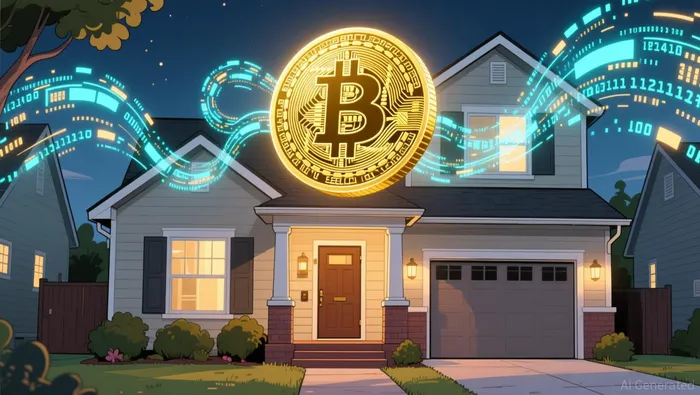
The Better-Coinbase product turns idle crypto into usable down-payment liquidity. Buyers take a standard mortgage plus a second loan to fund the down payment, using bitcoin or USD coin as collateral instead of selling their holdings.
Why this matters for mainstream finance
This is not just a niche launch. Better says the structure can offer significantly lower interest rates than earlier cryptocurrency-backed mortgage products that lacked Fannie Mae backing. That matters because lower funding costs make the product more than a curiosity; it becomes a test of whether GSE support can improve the economics of crypto-collateralized home financing.
A narrow pilot, but a real distribution test
The addressable pool is likely small at first, and borrowers still take on a second loan. Still, the strategic point is clear: this product requires a Coinbase account requirement, and the pledged crypto cannot be traded once posted as collateral. That gives Coinbase a direct role in customer acquisition, asset retention, and the early routing of collateralized borrowing activity.
The economics are about demand, not just novelty
What matters now is not the headline. It is whether this structure can turn illiquid crypto wealth into durable mortgage demand that lenders can underwrite repeatedly.
The core appeal: avoid a taxable sale
The main draw is straightforward. Buyers keep their crypto intact while accessing down-payment capital, avoiding the taxable event that comes with selling. That can be a real benefit for holders with large unrealized gains, but it only works if the savings from not selling outweigh the cost of an extra loan.
"No margin call" needs context
Better's promotional material says no margin calls and even uses the example of bitcoin dropping 30% without changing mortgage terms. But Coinbase's own USDC borrowing product says borrowers must remain under 86% LTV to avoid automatic liquidation. Investors should not read "no margin call" as a universal feature of every crypto-loan layer in this structure. At best, it may apply to one leg of the product; at worst, it oversimplifies a two-loan stack.
Why flow matters more than the story
The bigger advantage is distribution and control of the borrower journey. Fannie Mae's backing can improve rate competitiveness, while the product still funnels users through Coinbase and keeps collateral tied up during the loan term. Earlier crypto-lending efforts showed the idea; this version tests whether institutional backing can make the model scalable.
Coinbase's upside is platform stickiness, not housing disruption
The investment trade here is flow capture, not housing ideology. This product routes users through a Coinbase account requirement, which can deepen the customer relationship and keep assets inside the platform for longer.
Bull case: better rates can expand secured borrowing inside the app
If Fannie Mae-backed pricing proves competitive, Coinbase could capture more collateralized borrowing activity. Better has also said the structure starts with bitcoin and USD coin, but the underlying rails are intended to expand to stocks, mutual funds, and bonds. If that expansion happens, Coinbase gets a broader pipeline for secured lending and more opportunities to cross-sell.
Bear case: complexity can keep adoption narrow
Bears are right to question scale. Borrowers still pay interest on two loans, which makes this a niche tool for crypto-rich buyers rather than a mass-market housing solution. And the tax-efficient borrowing pitch still comes with collateral risk: Coinbase's own Borrow product is marketed as a tax-friendly way to access USDC, but users must stay under 86% LTV to avoid automatic liquidation.
What would confirm or invalidate the thesis
The constructive view on Coinbase is conditional, not automatic. Watch three things:
- Whether Fannie Mae backing actually translates into meaningfully lower rates.
- Whether adoption expands beyond a small group of crypto-rich buyers.
- Whether the platform can broaden the range of acceptable collateral beyond the current setup.
If those signals strengthen, the Coinbase read-through improves. If they do not, this likely stays an interesting pilot rather than a meaningful new revenue channel.