

The core tension in the gold market is a stark flow divergence. On one side, central banks are aggressively building reserves. Demand for gold by central banks and other institutions hit 244 tonnes in Q1, a 17% quarterly jump. Poland and Uzbekistan led the charge, with the National Bank of Poland adding 31 tonnes and the Central Bank of Uzbekistan adding 25 tonnes.
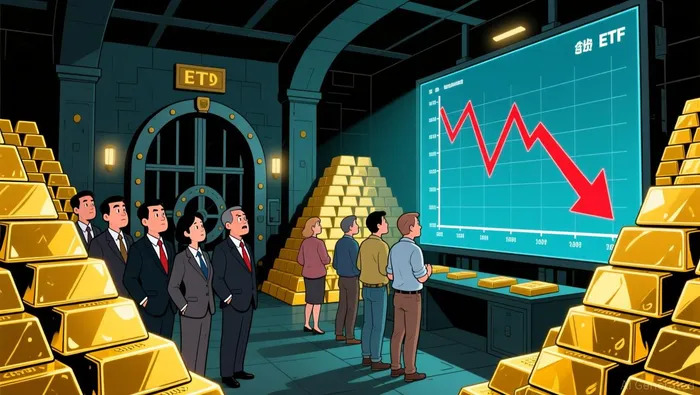
On the other side, the retail and institutional ETF channel is turning bearish in the West. US-listed gold ETFs have seen $1.7 billion of net outflows year-to-date, a sharp reversal from 2025 when American investors poured almost $50 billion in. This US trend is now the global outlier.
The growth engine has shifted decisively to Asia. While the US sells, Asian ETFs have attracted $16 billion in net inflows this year, led by China. This regional split defines the current market setup: strategic hoarding by central banks and Asian investors is meeting a more cautious, profit-taking stance from Western ETF holders.
The Price Floor: Why $4,650 Holds
Gold retreated from its January high of $5,595 per ounce to approximately $4,705, a roughly 14% pullback. This dip has been met with decisive buying from Asian investors, who view the move as a strategic entry point. While Western ETFs are selling, Asian flows have been robust, with China alone driving $9.2 billion of inflows this year.
The structural support comes from non-speculative, steady demand. Central banks, particularly those with geopolitical motives, are acting as a permanent floor. Poland leads global buying in 2026, adding over 20 tonnes as part of a multi-year plan to bolster reserves. This sovereign accumulation, projected to remain elevated, creates a demand buffer that prevents deeper declines.
On a technical level, the immediate support is being reinforced by a weaker dollar. Gold prices ticked higher on Thursday as the dollar eased, making the metal more affordable. This dynamic, coupled with accelerating U.S. producer prices, provides a near-term bid that helps anchor the price near the $4,650 level.
Catalysts and Risks: Summit Watch and Policy
The immediate catalyst is the Trump-Xi summit in Beijing. Traders are parsing the two-day meeting for signals on trade and Middle East de-escalation. A breakthrough could ease geopolitical risk, a key support for gold, while a failure might reinforce its safe-haven appeal.
The fading prospect of U.S. rate cuts is a critical headwind. Recent data shows accelerating inflation, with the PPI hitting a four-year high. This reinforces expectations that the Fed will keep rates elevated, reducing gold's relative appeal as a non-yielding asset. The market is now focused on whether the summit can deliver a tangible policy shift.
Monitor central bank sales for a broader trend. While Poland and Uzbekistan lead buying, Turkey and Russia reported sales in Q1. A coordinated move by other major reserve holders to sell could challenge the structural floor, signaling a shift from strategic hoarding to liquidity management.