

Let's cut through the marketing and talk about what actually happens in the mouth and the wallet. The choice between aligners and braces isn't about which is objectively better. It's about which one fits your teeth, your life, and your ability to follow orders.
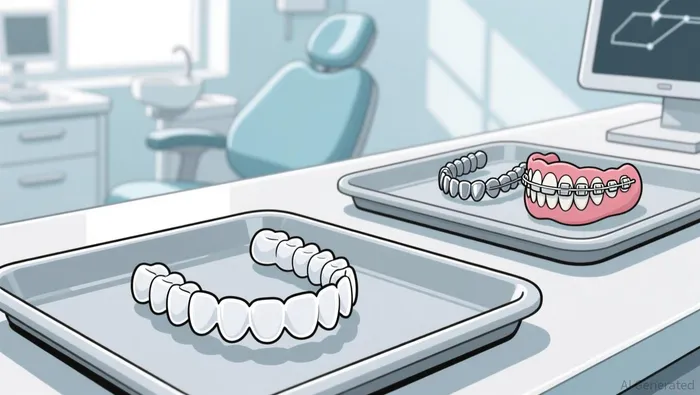
The core trade-off is simple. Invisalign aligners are removable. That means you can eat anything, brush normally, and pop them out for a photo. That's a huge win for hygiene and convenience. But the catch is discipline. You have to wear them for 20 to 22 hours a day. Take them out for a meal, a drink, or just because you forgot, and you slow down the whole process. Braces, by contrast, are fixed. They work constantly, day and night, which is a built-in advantage for anyone who might struggle with consistency. The downside is that they can be more uncomfortable, especially after adjustments, and they require careful cleaning around brackets and wires.
Cost is another major factor that shapes the decision. In 2026, the typical price for Invisalign treatment falls between $3,500 and $8,000. Traditional braces usually range from $3,000 to $7,000. The gap has narrowed, and many insurance plans now cover both at similar rates. But that still leaves a significant out-of-pocket cost for most patients, making it a key part of the calculus.
Ultimately, the expert's job is to look past the hype and match the tool to the job. Some teeth need the precise, constant pressure that brackets provide. Others move beautifully with clear aligners. The patient's lifestyle-whether they're a busy professional, a teenager on the field, or someone with a demanding schedule-often tips the scale. The goal isn't a perfect smile from a brochure; it's a realistic plan that works for the person sitting in the chair.
Who Each Treatment Is Best For: Matching the Tool to the Job
The real-world choice isn't just about cost or comfort. It's about matching the right tool to the specific job at hand, both for the patient's teeth and their life. The expert's job is to cut through the noise and say, "This one fits you."
For adults and teens with mild to moderate crowding or spacing, clear aligners are often the ideal solution. These are the patients who value discretion and convenience for work or social life. They want the freedom to eat what they want, brush normally, and pop the trays out for a photo. The market reflects this demand, with 45% of general dentists now offering clear aligners as a main service. This shift means patients no longer have to seek out a specialist; they expect to get treatment for straight teeth from their regular dentist. It's a move toward one-stop care, and aligners are the product that makes it possible.
Braces, however, are still the preferred tool for more complex jobs. When a patient has a severe bite issue, significant crowding, or needs precise, constant control over tooth movement, the fixed appliance often wins. The constant pressure from brackets and wires is a built-in advantage for anyone who might struggle with the discipline required for aligners. This is also a better fit for younger patients or those in contact sports, where a fixed appliance offers a safety advantage over removable trays that could be lost or damaged.
The bottom line is that the landscape has changed. The rise of general dentists offering aligners means the patient's expectation has shifted. They want a seamless experience from their trusted provider. But the expert must still look past that convenience and ask: What's the simplest, most effective way to get this particular set of teeth into the right position? The answer depends entirely on the case and the patient.
The Market Trends Changing Patient Expectations
The market for clear aligners is no longer a niche. It's a booming industry, projected to grow from $4.77 billion in 2026 to $13.29 billion by 2034. That's more than doubling in just eight years. The engine behind this surge is clear: a massive wave of adult demand for discreet, convenient straightening. This isn't just about teenagers anymore; it's about professionals, parents, and anyone who wants a subtle upgrade without the hassle of metal brackets.
Technology is the fuel for this growth. The industry is getting smarter and more precise. Artificial intelligence and digital scanning are moving from buzzwords to everyday tools, allowing dentists to plan treatments with greater accuracy and predictability. This digital shift also means faster turnaround times, as 3D printing becomes standard for creating aligners, brackets, and retainers. The result is a more efficient, streamlined experience for patients who expect tech-savvy care.
But here's where the landscape gets interesting-and where patient expectations are being reshaped in real time. The barrier to entry is falling. 45% of general dentists now offer clear aligners as a main service, a huge jump from the days when you needed a specialist referral. This shift is being powered by affordable 3D printers and training programs that let practices produce aligners in-house. The bottom line is that more providers mean more competition. As this trend accelerates, the pressure to offer these services will only grow, and that could eventually lead to more price competition.
So what should patients realistically expect? The good news is that care is becoming more accessible and convenient. You can likely get treatment from your regular dentist, not a specialist. The bad news is that the market is crowded, and not all providers are created equal. The boom is driven by demand, but the tools to meet it are becoming cheaper and more widespread. That's a setup for a more competitive field, where the patient's job is to look past the marketing and find a provider who combines the right technology with solid, consistent care.
Common Sense Takeaways for Patients
After sorting through the marketing and the numbers, here's the practical advice for anyone trying to decide between aligners and braces. This isn't about which is "better" on paper. It's about which one actually works for your life and your teeth.
First, kick the tires. The single best move you can make is to schedule a free consultation with a trained orthodontist or dentist who offers both options. As one practice notes, their free visits include x-rays and photos so the recommendation is based on your actual teeth, not guesswork. That physical exam is the only way to know if your specific bite or crowding is a job for a fixed appliance or a removable tray. Don't rely on online quizzes or brochures; get your own teeth looked at.
Second, focus on the real-world utility. Ask yourself honestly about your daily routine and your discipline. If you're a busy professional or a parent who forgets things, the constant pressure of braces might be the simpler, more reliable path. But if you're meticulous and can commit to wearing aligners for 20 hours a day, the convenience of eating and brushing normally is a major win. Consider your budget realistically, knowing that both options have significant out-of-pocket costs. The market is growing fast, but the price you pay depends on your case and your provider.
Finally, watch for the smell test. If a provider pushes a treatment too hard, makes unrealistic promises about speed or results, or seems more interested in selling than in diagnosing your specific needs, it's a red flag. Trust your instincts. The right provider will explain the trade-offs clearly and help you match the tool to your job, not the other way around. The goal is a straighter smile that fits your life, not a one-size-fits-all solution.