

The headline says 7,500 shares. That's the number. The number that matters is what's left.
Roger Susi, founder and CEO of Iradimed, sold 7,500 shares in May at roughly $88 each. The total comes to about $657,000. It looks like a lot until you see the denominator: Susi beneficially owns 4.4 million shares - 34.6% of the company. The sale was 0.17% of his stake.
That is the difference between a signal and a grocery list. One tells you the owner is leaving. The other tells you he's taking enough cash out to buy a house and still controlling a third of the company.
Here's what makes it harder to read this as a warning. The sale was executed under a Rule 10b5-1 trading plan - a pre-written schedule that insiders use to sell shares on autopilot. Susi adopted this plan on November 5, 2025, six months before these shares changed hands. When Iradimed's stock was trading in the $80s, he set the plan. He didn't wait for it to hit $100 and then hit sell. The plan does the selling whether the price is up or down.
A 10b5-1 plan is the closest thing the market has to "I decided this months ago and I'm not looking at the chart." It's not perfect - insiders can time when they adopt these plans - but a six-month gap between adoption and execution is a clean window.
The pattern is also worth noting. On April 27, Susi's trust sold another 3,750 shares at $89.16 each, also under the same plan. Two sales in two months, same mechanism, same tiny fraction of ownership. This reads like diversification on a schedule, not a retreat from conviction. If you own 34% of one company, even a growing one, you're under-diversified. Taking $1 million out over a few months to spread that risk is the rational move. It's also the move that looks bad in a headline.
So here's the question the headline should have asked instead: is the business still worth buying into?
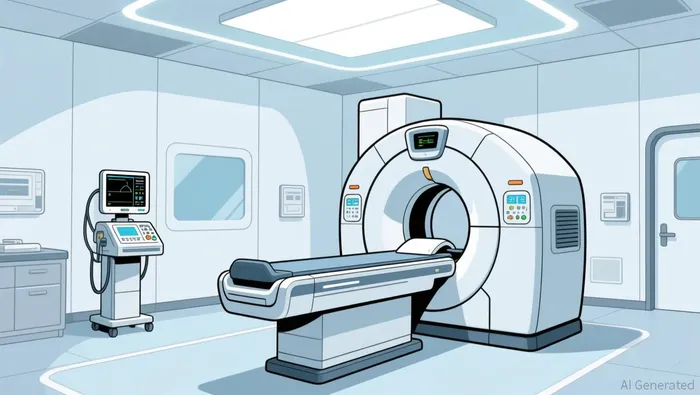
Iradimed makes MRI-compatible medical devices - monitors, pumps, ventilators that don't interfere with the powerful magnets in MRI rooms. It's a narrow niche with a structural advantage: almost every hospital doing MRIs needs this equipment, and very few companies make it. Q1 2026 revenue was $22 million, up 13% from a year earlier, and the company hit a record diluted EPS of $0.45. That's the 18th consecutive quarter of record revenue. The stock hit a 52-week high of $107.90 in February, and it's trading around $88 now.
The business is compounding. The founder is taking a small, scheduled haircut on his position. These two facts don't contradict each other.
What would change my mind? A sudden acceleration in the sale pace - if those weekly sales became monthly blocks of 50,000 or 100,000 shares, the diversification story starts to look like an exit story. Or a revenue miss that coincides with heavy selling. The timing alignment of bad news and big sales is what actually signals trouble.
Neither is happening here.
The test for investors is simple: watch the ratio of shares sold to shares owned. Right now it's a rounding error. If it stays that way, the headline was noise. If the denominator starts shrinking faster than the numerator grows, come back and re-read this. The business fundamentals will tell you whether to hold either way. The selling pace will tell you whether the founder agrees.