

Diplomatic contact matters, but the market still prices war risk
This is a signal, but not a surrender. The reason it matters is simple: Brent near $120 shows the market is still pricing disruption, not peace.
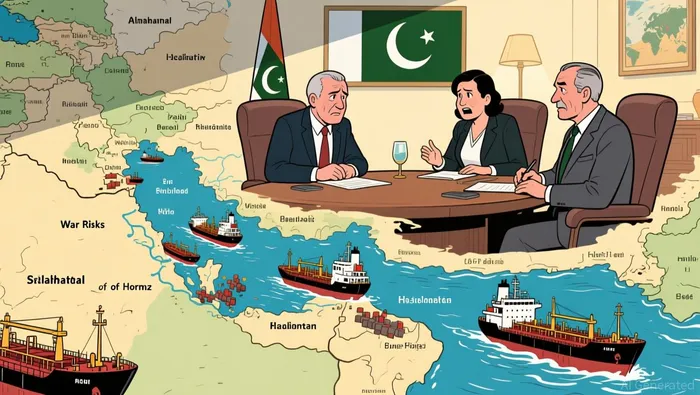
Iran says Washington answered its 14-point plan through the Pakistani side, and Tehran is reviewing the response. That does not guarantee de-escalation, but it does move the situation from pure shock into a diplomatic process. Once a proposal gets a reply, even through a middleman, the narrative usually changes.
The market is still showing how fragile that shift is. The Hormuz closure triggered what has been described as the largest supply disruption in the history of the global oil market, with Brent Crude surging past $120 a barrel and exports stranded. That is why investors are still treating any headline as provisional.
The bull case is straightforward: if Iran's review leads to visible concessions, the panic premium in oil and other risk assets could unwind quickly. The bear case is just as clear: reporting suggests Trump is still weighing additional military and coercive options, which would add fresh pressure to oil flows and shipping risk.
Why the first positive headline may not be enough
One diplomatic reply is not enough on its own. What matters is whether the situation is shifting from escalation risk to genuine negotiation.
A failed talk cycle shows why investors are cautious
Earlier this month, social media was full of the claim "US-Iran Deal FAILED after 21 hours". The point was not the slogan itself, but the backdrop: reports said the Islamabad talks had collapsed while the Strait of Hormuz remained closed. In that context, the market was sending a simple message-a headline is not a ceasefire if the supply disruption is still in place.
Gold's drop shows investors want substance, not just safety rhetoric
The same logic helps explain why investors have not simply bought every traditional safe-haven trade. Gold fell 9.6% to $4,574.90, which is not what a straightforward flight to safety looks like. It suggests investors are still waiting for evidence that oil shock risk and inflation risk are actually receding.
Bulls vs. bears
Bulls: Washington has answered Iran's 14-point plan through the Pakistani side, and Tehran is still reviewing the U.S. response. If that review starts producing concrete concessions, the war-risk premium could compress across oil, shipping, and broader risk assets.
Bears: Diplomacy can still be theater if it runs alongside force. Reporting says Trump is weighing additional military and coercive options. If that path gains traction, the result would likely be more whipsaw volatility rather than durable de-escalation.
What would make the move tradeable?
Watch for a sequence, not just one viral headline:
- concrete signals from Tehran's review of the U.S. response
- evidence that talks are producing actual concessions, not just more messaging
- no new military escalation running alongside the diplomacy
Failure signals matter just as much. If talks produce no substance while coercive options gain visibility, the first relief rally may prove short-lived.
The trade map: what matters if de-escalation actually starts
If diplomacy starts working from here, the biggest reversals should show up first in assets carrying the most panic premium. Oil remains the main scoreboard, with Brent near $120 still reflecting fear in energy flows. Dollars, yields, and liquid hard assets have also looked stronger than expected, while gold at $4,574.90 after a 9.6% weekly drop suggests this has been a liquidity-first regime rather than a clean flight-to-safety trade.
What could support a relief rally
The clearest bull trigger is concrete movement in Tehran's review of the U.S. reply through the Pakistani side. Even partial progress could force a faster unwind of war-risk pricing.
What would break the thesis
The clearest invalidation is escalation alongside the talks. Reporting says Trump is weighing additional military and coercive options, which would quickly reprice oil, shipping, and regional risk again.
For now, the relevant window looks like days to a few weeks. In a market this sensitive to headlines, real de-escalation can squeeze premiums quickly. But if the talks are mostly noise while force options strengthen, the first rally is more likely to be a bounce than a durable turn.