

Why the draft matters to energy markets first
A reported 60-day ceasefire extension tied to a draft framework that could release approximately $24 billion in frozen Iranian assets is enough to move energy markets on headline risk alone. If the process holds, traders will start pricing the possibility that the Strait of Hormuz reopens and that a major global oil and gas corridor returns toward more normal operations.
What the bullish case is based on
Bulls are reading this as the clearest peace signal yet. Trump had described a "largely negotiated" memorandum of understanding, and the reported framework points to asset relief, a longer ceasefire window, and improved shipping conditions. In that view, progress on cash access and Hormuz transit could lift tanker sentiment before physical fundamentals fully adjust.
Why the bearish case still has cleaner evidence
Bears can point to clearer caveats. Iran's foreign ministry said conclusions on many topics do not mean Tehran is close to signing an agreement. Reuters also reported that no final agreement has been reached. And recent fighting near Bandar Abbas showed how fragile the ceasefire still is.
What to watch next
- Does an agreed text become a signed deal?
- Does asset release come with real sanctions relief, or stay symbolic?
- Does Hormuz traffic improve in practice, or only in diplomatic language?
Until investors see signed terms and operating proof, the market can trade the hope-but the alignment of interest still looks incomplete.
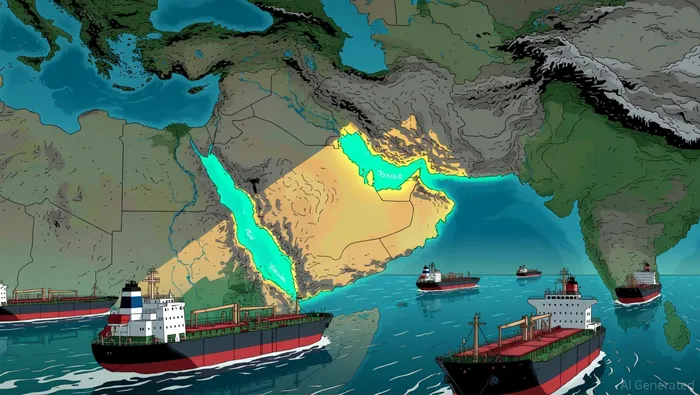
Hormuz reopening matters more than the draft text
The reported 60-day ceasefire extension and possible approximately $24 billion in frozen Iranian assets keep the peace trade alive, but they do not by themselves reprice crude, LNG, or tankers. The main valuation lever is what happens on the water. Hormuz carries a significant share of global oil and gas traffic, so the market is likely to keep discounting risk until ships are actually moving again.
Why a paper deal does not remove the premium
A draft framework can lower headline risk. It does not automatically remove the war premium. Oil, LNG, and tanker economics only rerate when disruption turns into flow: fewer insurance scares, more voyages, shorter delays, and less fear of another shock to the corridor.
A senior U.S. official said the Strait of Hormuz would open and the U.S. would lift its blockade on Iranian ports as part of the terms Washington and Tehran have agreed to. But Iran's foreign minister said the memorandum of understanding had not yet been signed and could still change, and that Hormuz management would not return to the pre-war era. That distinction matters. Bulls are trading a return to normal access; Tehran is describing a new arrangement in which it still controls the terms of passage.
Draft terms are not the same as reopened trade
The credibility gap is still real. After Trump rejected a compromise report, fresh strikes near Bandar Abbas broke out and oil prices rebounded as markets reset their risk premium. Pakistan-mediated talks are encouraging, but incomplete; Israel is not a party to the proposed deal, which limits how much weight investors should give the framework.
What would count as real reopening
The market should stop watching diplomatic language and start watching operating facts:
- whether the ceasefire holds without fresh strikes
- whether ships actually pass through without fresh disruptions
- whether asset access improves before diplomacy hardens into another long final deal
If those boxes start filling, oil, LNG, and tankers can earn a real rerating. If not, the peace trade remains mostly a headline story.
The next proof point is sequence: money, talks, and follow-through
The next signal is sequence. Over the 60 days following approval of the framework, smart money should watch whether the draft produces cash access first or merely delays the question until a final deal looks easier on paper than in practice. Iranian media say the text could allow the phased unfreezing of approximately $24 billion in assets. If that money path starts to look real, bulls get proof that the parties' interests are aligning. If it does not, the market is still trading diplomacy rather than de-escalation.
The bull case needs financial follow-through first
Bulls want the first concession to be financial, not rhetorical. A draft tied to approximately $24 billion in frozen Iranian assets puts something tangible on the table that Tehran has long demanded. The next leg would be strategic: a senior Iranian official said Tehran has agreed it will neither produce nor acquire nuclear weapons, while the proposed memorandum would also launch new nuclear talks. If that order holds, investors get a more durable de-escalation trade instead of a one-day headline move.
The bear case is that Iran keeps control of the timetable
Bears have the cleaner sequencing objection. Iran says nuclear talks with the United States would only take place at a later stage and would not proceed unless the interim deal was first implemented. That keeps Tehran in control of the pace. The framework also has a diplomatic blind spot because Israel is not a party to the proposed deal. And recent strikes near Bandar Abbas still damage credibility, even if they do not amount to a full breakdown.
Positioning: watch confirmation, not just headlines
This looks like a conditional de-escalation trade, not a reason to fully trust the framework yet. The market can trade the draft, but a stronger rerating should depend on signed terms, asset access, and actual shipping recovery.