

The draft deal is a liquidity headline, but Hormuz still decides the trade
This is not a clean de-escalation trade yet. The headline is still huge: a draft accord reportedly promises the release of $24 billion in frozen assets over a 60-day period, and a senior U.S. official said the Strait of Hormuz would open as part of the terms. That is why the story matters now.
Markets often react faster to liquidity relief than to full risk resolution. If the draft holds up, blocked funds and a reopened chokepoint could improve sentiment quickly.
Why bulls focus on the first-wave relief
The main bull case is simple: faster liquidity and lower war risk would arrive before a final, comprehensive agreement. The draft reportedly pairs asset relief with a permanent and immediate halt to fighting and steps toward reopening the Strait of Hormuz. If traders believe that sequence, the story can move well before the fundamentals are fully proven.
Why bears still have the stronger caution call
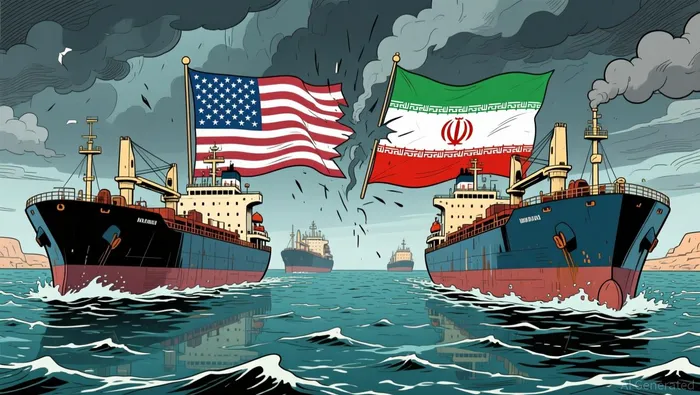
Bears will point out that the fighting is still live. Iran says the Strait of Hormuz fully closed, while the U.S. disputes that claim, and both sides have continued exchanging strikes. Iran's own state media also says the draft does not include any commitment to cede the management of the strait.
That is why this still looks more like a headline trade than a confirmed de-escalation trade. The key is whether reported terms become verified flows through Hormuz and real sanction and blockade relief.
Why the draft looks bullish on liquidity but uncertain on execution
The bullish part is the sequence. The draft sets a 60-day period that reportedly starts with asset relief and only later moves to deeper nuclear bargaining. In the first 30 days, it calls for full lifting of the naval blockade and the reopening of the Strait of Hormuz. Only after that does the process move into broader sanctions removal and a final framework. That order gives markets a near-term liquidity catalyst before the harder political issues surface.
Why traders may lean bullish on the structure
If the first leg works, regional risk assets could rerate before the deal is fully finalized. The oil market is the clearest transmission channel: after Iran said the strait was closed and threatened vessels attempting passage, oil prices climbed more than $2 a barrel, with Brent reaching $95.40 a barrel and WTI $92.63. At the same time, U.S. crude inventories fell by 7.2 million barrels. That shows how sensitive crude is to Hormuz risk right now.
So the bull case is less about a clean peace dividend than about rapid compression in the war premium. A reported Strait of Hormuz would open, along with relief on Iranian ports, could ease pressure quickly. And because Hormuz remains a critical chokepoint for oil and natural gas to world markets, even a credible reopening path could affect shipping, regional equities, and broader risk appetite.
Where the execution risk sits
The bottleneck is control. Iran's state media says the draft does not include any commitment to cede the management of the strait, while also stressing that Iran's right to enrich uranium would remain a core demand. That leaves open a key bear-case risk: the draft may create hope, but it does not yet clearly remove Iran's ability to disrupt the flow that makes the relief trade work.
Bulls can argue the sequence itself is the win: liquidity first, politics later. Bears will argue that is exactly how headline-driven squeezes fail if the 30-day blockade and Hormuz steps slip or the enrichment dispute derails the 60-day process.
What would confirm a real relief rally
After the setup, oil is the clearest tell. The current proof bar is simple: Brent futures rose to $95.40 a barrel and WTI climbed to $92.63 after fresh strikes and Hormuz fear. If this becomes a genuine relief rally, those levels should break quickly.
Signals that would support the bullish case
- Sustained easing in Brent and WTI after the initial spike.
- Verified transit through Hormuz rather than competing claims about closure or opening.
- Actual release of blocked funds on the reported timeline.
- Evidence that blockade relief and oil-revenue access are being implemented, not just described in draft terms.
Signals that would invalidate the trade
- A cosmetic Hormuz "open" in which ships pass but Iran still retains decisive leverage over the chokepoint.
- Renewed strikes, renewed closure claims, or failure to deliver blockade relief within the reported timeframe.
- A breakdown in the 60-day process once nuclear issues move to the center of negotiations.
Treat this as a two-leg trade. Leg one is the rumor trade: fast, headline-driven, and centered on a reported $24 billion in blocked funds and a possible Hormuz opening. Leg two is the confirmation trade: lower oil, normalized transit, blockade relief, and real access to oil revenues. Leg one can trigger a burst of optimism. Leg two decides whether the rally holds.