

Oil moved on Strait of Hormuz risk, not yet on a damage tally
Oil is trading as a shipping-risk event again. Brent rose 2.3% to $102.40 after the latest US-Iran exchange in the Hormuz waterway, pushing crude back above $100 less than a month after last month's scare, when Brent futures rose to $113.92 per barrel. The quick move suggests markets are pricing choke-point risk first and assessing actual supply loss later.
The key question is no longer just what was hit. It is whether traffic through the strait stays constrained long enough to keep that premium in prices.
The latest violence also complicates diplomacy. The latest attack further endangers the US-Iran ceasefire, which was already fragile. If disruption resumes, the market remains open to another spike. If talks gain traction, that premium can fade quickly. For now, price is leaning toward the former.
Strait of Hormuz remains the main transmission channel
Why shipping risk hits the tape first
The reason is scale. The Strait of Hormuz carries oil and natural gas to world markets, and its importance will not fade unless clear alternatives develop with significant capacity. That makes shipping friction more important than isolated damage reports. When traders think moves may slow, delay, or become more expensive, front-month crude usually reacts immediately.
That helps explain the speed of the latest reaction. After new U.S. strikes targeted a site linked to threats against commercial shipping through the Strait of Hormuz, Brent crude futures gained over 1.81% to $96 per barrel. The move was driven by concerns over disruptions to commercial shipping, not by a new estimate of physical barrels lost.
Insurance, delays, and bargaining leverage
The next step is commercial, not just military. If traffic through the strait becomes less predictable, insurance costs can rise, schedules can weaken, and export flows can face friction. That matters because even the threat of control can change behavior. Earlier this year, Iran's foreign ministry said navigation of the strait "will have costs", and speculation grew that Tehran could try to charge vessels passing through as part of a deal.
That is why the upside case stays alive. The market is not only asking what was damaged yesterday; it is asking whether Iran can use the strait as a bargaining chip. History supports that concern: Iran has claimed the ability to "close" the Strait, threatened to do so, and periodically harassed and attacked ships transiting the waterway.
What matters most over the next few days
The main watchpoint is not simply how much infrastructure was hit. It is whether shipping risk stays elevated long enough to keep Brent supported. Diplomacy can still kill the spike, but as long as the focus is disruptions to commercial shipping, the market has a reason to stay sensitive.
How the trade looks from here
The tactical setup favors short-duration, liquid exposure while the risk premium is being rebuilt.
Oil is already signaling where attention is focused. Brent rose 2.3% to $102.40, and the low-$102 area is now the clearest near-term reference point. If prices can hold above that zone, traders are showing they are willing to pay for more disruption. If they cannot, this may prove to be another spike that gets sold as diplomacy re-enters the story.
Bull case and invalidation
What strengthens the bull case: - Brent stays above $102 after the push to $102.40. - New strikes keep landing near the Gulf transit route, including the recent Bandar Abbas strike. - The market keeps trading concerns over disruptions to commercial shipping.
What breaks the setup: - Brent loses the rebound zone near $102. - Washington and Tehran reframe the violence as a negotiation window rather than a breakout. - Investors start pricing out worst-case disruption again, as Citi suggested was happening after earlier strait scares.
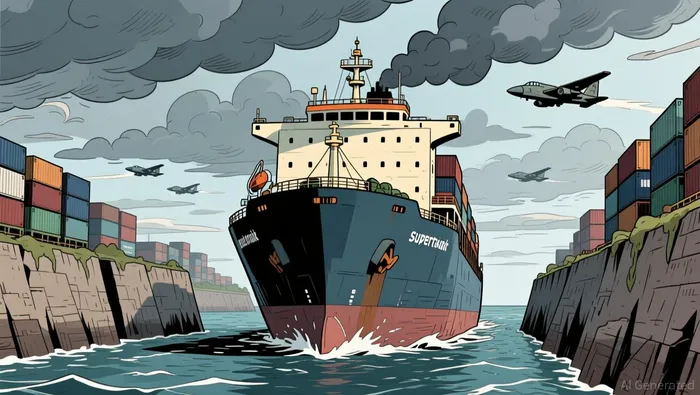
The working view is simple: ride the premium while the ceasefire stays fragile, and step back quickly if diplomacy starts reclaiming the tape.