

High oil prices put the petrodollar debate back on the table
This is the setup that makes the petrodollar debate feel timely again. Brent reached $119.94 a barrel in late April as Hormuz fears kept supply tight, while Reuters says roughly a fifth of global oil supplies from the Gulf have been disrupted. In that price environment, Kiyosaki's warning about the possible "death of the US dollar" sounds less like random doom and more like a market stress scenario.
The basic argument is straightforward. If the dollar-dominated oil trading system is being tested and more deals are settling outside the usual channels, then fewer oil transactions may need dollars. That matters because the dollar system has long rested on oil priced almost exclusively in dollars, a setup that helps support demand for US Treasuries. With about 57% of global FX reserves still in dollar assets, any hit to the oil-dollar linkage could start to matter for funding costs and Treasury demand.
The main rebuttal is also clear: none of this ends petrodollar demand in one move. The dollar still dominates reserves and payments, so a strained chokepoint could remain a temporary shock rather than a structural break. But if prices stay elevated and alternative settlement keeps showing up, the market may start pricing petrodollar erosion as a real hedge theme rather than a distant theory.
Iran's yuan oil move matters because it targets the plumbing
One mechanism changes the story: if oil trade starts settling in yuan, dollar demand stops being a background assumption and becomes a variable markets can actually track.
Why the reserve share still matters
The dollar's edge is not just prestige. It is structural. About 57% of global FX reserves are dollar assets, the dollar is involved in roughly 89% of FX transactions, and oil has been priced almost exclusively in dollars since the 1974 arrangement. That matters because countries hold dollars not just for status, but to buy energy. If energy contracts start clearing in yuan, the next question is whether reserves, trade finance, and correspondent balances follow.
What changed at the chokepoint
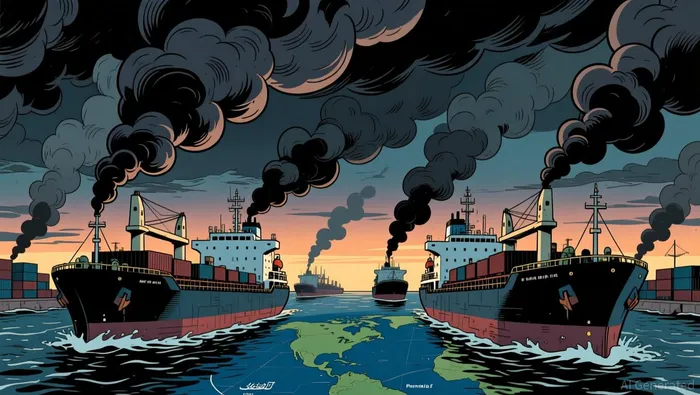
What makes this more than a sound bite is that the market is seeing early transaction-level signals, not just rhetoric. According to Kiyosaki, Iran has tied Hormuz transit flexibility to oil traded in yuan, and at least two vessels have already settled transit fees in yuan. Reuters adds that the current setup is pushing buyers toward opaque deals with Tehran and Gulf producers, with many likely being settled outside the traditional oil trading system. That is the real stress point: fewer dollar-clearing oil trades can gradually weaken natural demand for dollar funding.
Erosion or one-off episode?
Bulls argue the burden is now on skeptics to explain why this stays symbolic. Kiyosaki's own take is that this conflict could be "the catalyst for erosion in petrodollar dominance - and the beginnings of the petroyuan". Bears will counter that the dollar still dominates reserves and payments, so one strained chokepoint does not break the network. That is fair. But network strength does not prevent repricing: a slow shift in settlement currency can pressure Treasury demand long before reserve shares look visibly weaker.
The practical takeaway is simple: watch settlement currency, not slogans. If more tankers clear in yuan while oil stays tight, petrodollar erosion becomes a tradable risk rather than a talking point.
What would confirm the thesis, and what would weaken it
The thesis gets stronger if the same three pressures keep stacking up: peace talks stalled, shipments through the Strait of Hormuz remained limited, and crude stays firm because the U.S. is preparing to extend its blockade of Iranian ports.
Confirmation signals
Watch the plumbing, not the rhetoric. One early tell is more cargo moving through Hormuz with tracking systems switched off, because that is where physical necessity starts to override sanctions optics. A second tell is settlement: Reuters says many of these deals are likely being settled outside the traditional oil trading system, and Iran has already tied passage flexibility to oil traded in yuan. If that keeps happening while crude remains elevated, the market may start pricing a structural shift instead of a short-lived war spike.
What would weaken it
The thesis weakens quickly if diplomacy eases the price support. If talks restart and traffic through the Strait of Hormuz normalizes, the oil shock fades. If the blockade is rolled back and supply disruption stops being the base case, yuan settlement may look more like an episode than a trend.
How investors may react
This is not a call to abandon the dollar today. It is a call to hedge a market linkage that can rerate quickly if physical scarcity and alternative settlement keep reinforcing each other. In that setup, gold and bitcoin remain the usual asymmetric hedges investors reach for when reserve confidence starts to crack.
If Hormuz stays strained and yuan clearing keeps showing up in tanker flows, which part of a portfolio would you add to first?