

Kiyosaki's dollar-warning headline collides with the current market tape
Robert Kiyosaki is framing Iran's move toward yuan oil settlement as a warning shot in the death of the U.S. dollar. But the current market tape still points to a stronger greenback in the short run. The dollar has gained over 1% so far this week, while Brent crude was up 5% this week and hovering above $106 a barrel. For now, investors are trading the immediate effects of higher energy prices, inflation anxiety, and dollar demand-not a sudden collapse in dollar dominance.
Kiyosaki and others are focused on a longer structural shift: Iran is moving toward accepting payment for oil in Chinese yuan, which they argue challenges the petrodollar order. That may matter over years. But the near-term market response is still being driven by physical oil tightness and how it feeds through to rates and the dollar.
India and Iran show the yuan settlement route exists, but it is still narrow
The clearest recent example is India. Indian refiners bought Iranian oil purchased under a temporary U.S. sanctions waiver and settled payments in yuan through Mumbai-based ICICI Bank. That shows the plumbing for non-dollar oil trade can work. It does not yet show that the system is scaling.
More importantly, Washington has said it will not renew the waivers, with the Iranian oil exemption set to lapse on Sunday. Rather than weaken the dollar, that development may tighten crude liquidity further by making payments and shipments harder to arrange. In the short term, sanctions friction can reinforce dollar strength instead of undermining it.
China remains the demand center, and policy is still doing a lot of the work
The demand side is still concentrated through China. Reuters says Chinese teapots buy roughly 90% of Iran's oil shipments, and Beijing has told independent refiners to maintain output while issuing an off-cycle batch of import quotas. That suggests state-backed domestic needs are playing a major role in keeping the flow moving.
That distinction matters for investors. If yuan-linked oil settlement depends on policy support and refiners absorbing weak economics, the immediate market effect is still sanctions friction and physical tightness-not a fast, voluntary global rotation out of the dollar.
Rates and price action still favor the dollar more than the de-dollarization narrative
The latest macro data still lean more bull-dollar than bear-dollar. Reuters says a 50% chance of a Fed hike by year-end has been priced in, while another report points to a 60% chance of tighter policy before year-end. That is not the kind of pricing usually associated with a world urgently moving away from dollars.
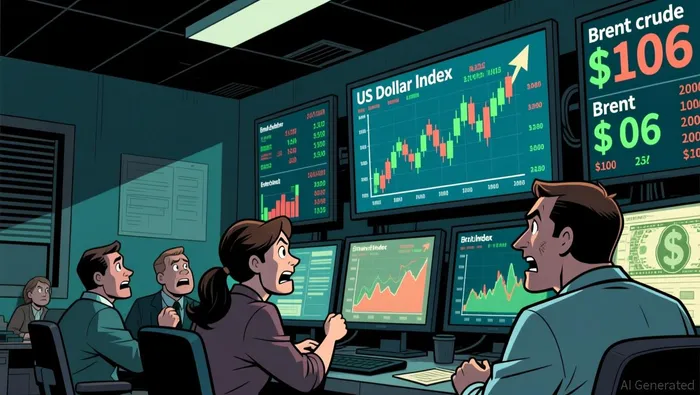
The same message comes from markets under stress. Higher energy prices have kept inflation and rate concerns alive, with higher oil prices reinforcing expectations of higher-for-longer rates. Even gold has struggled in that setup: spot gold was down 0.2%, and bullion was down 1.9% for the week. If the dollar were already rolling over in a structural way, investors would likely be seeing weaker price action across those linked indicators together.
What would confirm a real shift-and what would invalidate it
The next step for the yuan-settlement story is routine adoption, not isolated cargoes. If buyers continue taking Iranian crude after the temporary U.S. sanctions waiver ends, and payments keep moving in yuan through existing bank channels, the trend becomes more meaningful. So does continued Chinese intake even as Chinese refining margins remain deeply negative.
The simpler bear case for the dollar weakens if geopolitical stress eases and the greenback still holds. Reuters noted that after Trump postponed strikes on Iran's power grid, oil prices nursed losses and the dollar wobbled. If energy stress fades without a durable dollar breakdown, that would suggest recent dollar strength was driven more by oil and rates than by a structural loss of confidence in the greenback.