

The market is pricing in a fragile ceasefire, but the gap between that expectation and the volatile reality creates a high-risk, high-reward trade setup. The three-week truce appears to be holding, with military operations having paused, not ended. Yet the U.S. maintains a naval blockade, and the situation remains one of fragile, contested calm. This is the core expectation gap: the market sees a ceasefire, but the underlying dynamics suggest a truce that could unravel at any moment.
President Trump's recent comments underscore the uncertainty. He is reviewing a new Iranian proposal but expressed deep skepticism, stating he "can't imagine that it would be acceptable" because Iran hasn't paid a "big enough price." This skepticism, coupled with his repeated warnings that bombing will resume if terms aren't met, keeps the threat of escalation priced in. The market is betting on a "path of peace," but the president's rhetoric suggests a deal is far from certain.
The Strait of Hormuz remains the most immediate flashpoint. The U.S. recently halted its "Project Freedom" operation to guide ships through the chokepoint, a move Iran views as a violation of the ceasefire. While the U.S. claims this pause is to allow negotiations to proceed, Iran's Revolutionary Guard Corps stated that safe transit will be ensured under new procedures. This clash over who controls the strait's flow is a classic example of competing narratives. The market may be pricing in a de-escalation, but the reality is that both sides are maneuvering for position, with the U.S. blockade still in effect and Iran's military posture active.
The bottom line is that the ceasefire is a tactical pause, not a strategic settlement. The market's pricing assumes this fragile calm will hold, but the persistent blockade, the unresolved Strait issue, and the president's wariness create a setup where any misstep could trigger a rapid reset of expectations. For now, the trade is a bet on the truce holding; the risk is that the gap between the market's peace path and the actual military reality closes violently.
IREN: The NVIDIA Deal's Reality Check
The stock's 6.8% drop on Thursday is a classic "sell the news" reaction. IREN had just announced a major $3.4 billion AI cloud contract and a 5GW partnership with NVIDIA, yet the market shrugged. This divergence between the headline news and the stock price tells you the deal was already priced in. The company's 50.5% annual gain in 2026 shows how aggressively optimism had run ahead of the actual print.
The partnership details reveal the expectation gap. While the 5GW collaboration is strategic, it includes a $2.1 billion right to purchase up to 30 million shares at $70 per share. This is a capital infusion for deployment, but it's also a dilutive mechanism. For a stock that had already seen a massive run-up, this structure likely dampened the rally. The market was betting on pure upside from the deal; instead, it got a mix of growth catalyst and shareholder dilution.
The financial results further explain the pullback. The company reported revenue decreased to $144.8 million and a net loss of $(247.8) million for the quarter. This performance, while part of the transition from Bitcoin mining, sets a floor for the valuation. The stock's recent strength had priced in flawless execution and rapid AI revenue ramp. The reality of a significant quarterly loss and a revenue decline from the prior quarter reset expectations downward.
The bottom line is a reset of the forward view. The NVIDIA deal is real and important, but it was the whisper number. The market now has to price in the execution risk, the dilution, and the ongoing losses. The 50% YTD gain created a high bar; the recent pullback suggests investors are taking profits and waiting for the company to deliver on the promises, not just announce them.
CRWV: The Unprecedented Backlog vs. Execution Risk
CoreWeave's stock popped higher on its first-quarter report, a classic "buy the rumor" move. The market was betting on the AI demand story, and the company delivered a headline that validated it: a record $100 billion backlog. That's the whisper number-massive, almost infinite growth-priced in. The reality check came in the financials: the company's first-quarter loss widened as costs outpaced revenue growth.
The disconnect is clear. Revenue more than doubled, crushing estimates, which is the good news. But the bottom line tells the tougher story. The company is scaling its operations at a blistering pace to meet demand, and those capital expenditures and infrastructure build-outs are eating into profits. The market is willing to overlook the widening loss for now, betting that the backlog will eventually translate to sustainable earnings. The stock's move higher shows investors are focused on the top-line growth and the sheer scale of future orders.
Yet the critical expectation gap is between the backlog's size and the path to profitability. A $100 billion order book is unprecedented, but it's a promise, not a profit. The guidance reset on costs signals that scaling this business is expensive, and the timeline for turning that backlog into clean, profitable revenue is the key uncertainty. The market is pricing in flawless execution and a rapid ramp to profitability. Any stumble in that scaling process could close the gap between the whisper number and the print, leading to a sharp reset. For now, the trade is on the demand story; the risk is that the cost of fulfilling it is higher than priced in.
CAPR & TTD: Earnings Beats vs. Guidance Resets
The expectation gap isn't always about missing a single number; sometimes, it's about what the forward view signals. Recent reports for Capricor Therapeutics and The Trade Desk show how a positive quarterly print can be overshadowed by a negative guidance reset or a new risk, leading to a market that prices in the future, not the past.
For Capricor, the story was a classic case of a legal bomb detonating after a beat. The company had previously posted strong quarterly results, but the stock plunged 13% after-hours on Thursday. The catalyst wasn't the earnings-it was a lawsuit filed against its commercial partner, NS Pharma. Capricor alleged that NS Pharma failed to prepare for the commercial rollout of its DMD therapy and refused to fix pricing flaws that could make the drug commercially unviable. This legal fight, coming just months before a key FDA decision, introduced a massive execution risk that overshadowed any prior earnings beat. The market's reaction shows it was pricing in a smooth path to approval and launch; the lawsuit reset expectations to a scenario of potential delay and commercial uncertainty.
The Trade Desk presents a more nuanced picture of the gap between the print and the guidance. The company posted a clear revenue beat, with sales of $688.9 million handily topping estimates. That's the good news. The bad news is that its non-GAAP profit of $0.28 per share was 12.4% below analysts' consensus. More critically, the forward view reset. Management's guidance for the next quarter called for revenue of "at least $750 million," which came in 2.9% below analysts' estimates. This guidance miss, coupled with the EPS shortfall, created a mixed reaction. The market had priced in a seamless beat on both top and bottom lines; the reality was a beat on revenue but a miss on profitability and a cautious outlook.
The bottom line for both stocks is that the forward guidance and risk profile matter more than the quarterly numbers alone. For CAPR, the lawsuit reset the commercial timeline. For TTD, the guidance reset signaled that the growth momentum might be slowing. In both cases, the market looked past the headline beat and priced in the new, less certain reality.
Catalysts and Risks: What to Watch for the Expectation Gap
The market is positioned on a knife's edge, with several near-term events poised to either validate or shatter current pricing. The key is to watch for catalysts that force a reset of expectations, not just incremental news.
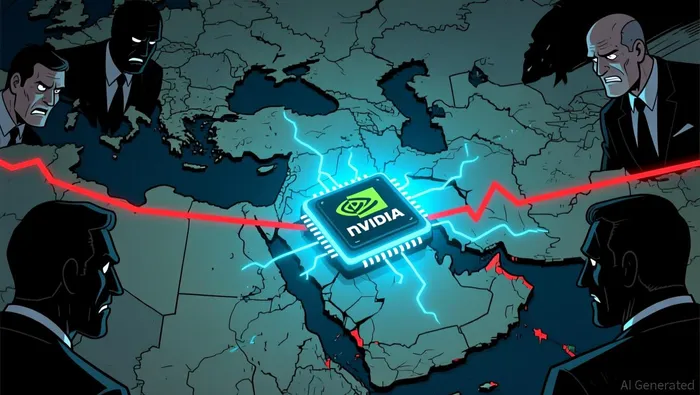
For the Middle East, the Iran ceasefire is the primary overhang. The truce is holding, but it's a fragile, contested calm. The next major test is a resolution or breakdown of the ongoing negotiations. President Trump's recent skepticism-calling a new Iranian proposal "unacceptable" because Iran hasn't "paid a big enough price"-keeps the threat of escalation priced in. Any sign that talks are failing or that the U.S. blockade is tightening could trigger a sharp move in Gulf-related stocks and oil prices. Conversely, a breakthrough would likely deflate the risk premium that's been baked into markets. The situation is a classic setup where the market's pricing assumes a peaceful path, but the underlying dynamics suggest a truce that could unravel.
On the AI front, IREN's partnership with NVIDIA is moving from announcement to execution. The market has priced in the deal's strategic value, but the real test is the 2027 ramp timeline for the 60MW deployment. The company's update confirms the "targeting ramp from early 2027" for this initial phase. Investors need to watch for concrete milestones on that timeline. Any delay or cost overrun would signal that the partnership's value is being realized more slowly than expected, potentially closing the gap between the whisper number and the print.
For biotech, Capricor's entire forward view hinges on a legal battle. The stock's recent plunge after the lawsuit against its partner, NS Pharma, shows the market has priced in a smooth path to approval. The critical catalyst is the outcome of this dispute and its impact on the Deramiocel commercialization timeline. The therapy faces a key FDA decision by "Aug. 22". If the lawsuit forces a delay or a costly renegotiation, it would reset expectations for the stock's commercial potential. The next earnings report, expected on May 12th, will be a data point, but the legal timeline is the real driver of the expectation gap.
The bottom line is that these stocks are all waiting for a catalyst to confirm or contradict the current market narrative. For IREN, it's the execution of its NVIDIA deal. For the Middle East, it's the fate of the ceasefire talks. For Capricor, it's the resolution of its legal fight. Any misstep on these fronts could trigger a sharp, expectation-driven move.