

Israel's Lebanon offensive is being used as leverage in the U.S.-Iran talks
The market is reading this crisis through energy prices rather than headlines. When Brent rose above $100 a barrel and the IEA warned of the largest supply disruption in the history of the global oil market, the move looked less like a peace premium and more like a leverage premium. That matters because the price signal is arriving while the diplomatic window is still open.
The negotiations are being shaped by strikes, not just diplomacy
This is less a peace story than a bargaining story. Reports showed the U.S. and Iran were nearing a broader agreement even as Israel continued striking Lebanon and Iran closed the Strait of Hormuz again. That mismatch is the point: escalation is being used to strengthen positions at the negotiating table.
Investors can split the read in two ways. Bulls will argue the fighting is painful but temporary because talks are still alive; even Netanyahu appeared to agree to talks with the Lebanese government on disarming Hezbollah, which suggests pressure rather than a full break. Bears will argue the opposite: that Israel's campaign is making any agreement harder to hold together and increasing the risk that the broader process unravels.
Strait of Hormuz transit is the real portfolio risk
This only matters to portfolios if battlefield noise turns into a physical bottleneck.
Why Hormuz matters more than strike headlines
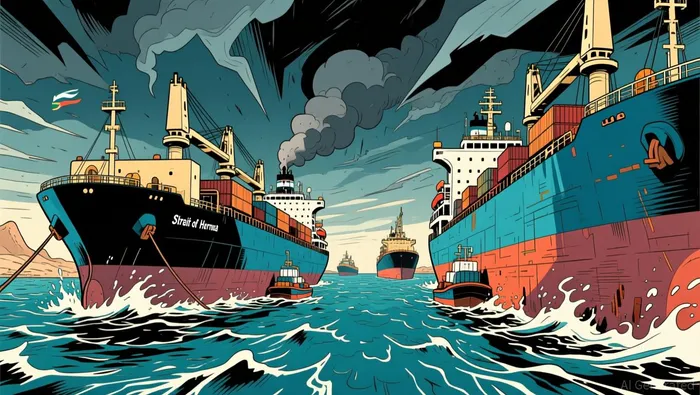
About a fifth of the world's oil - and a similarly critical share of liquified natural gas - normally moves through the Strait of Hormuz. That helps explain why the market reacted as though this were a supply crisis: Brent above $100 and U.S. crude above $96 were not just energy moves. They also reflected fears that a key transit route was being weaponized.
The price swings show how fast the risk premium can change
The relief move earlier this week matters because it shows how quickly the premium can unwind when Hormuz access improves. After Iran said the strait would be "completely open" during the ceasefire, Brent fell to $88 from above $98 earlier on Friday, then settled back around $92. That swing suggests a large part of the market's fear has been tied to transit risk rather than permanent damage to global supply.
What to watch next
The key question is no longer just where strikes hit next. It is whether battlefield pressure turns into a lasting disruption to shipping and energy flows. If the deal holds, today's spike may look like a final leverage squeeze. If it breaks, the Hormuz risk is likely to show up more broadly across energy and macro prices.