

MUFG, SMBC, and Mizuho are testing a shared settlement token
This is not about another consumer crypto token. It is about whether Japan's payment infrastructure rebuilds around one bank-issued stablecoin by March 2027. MUFG, SMBC, and Mizuho are close to signing a formal agreement on a joint yen-pegged token, with the FSA involved from the pilot stage onward. The unusual part is not stablecoin enthusiasm; it is that direct rivals are moving toward a common settlement tool.
Why a shared token matters more than token adoption
The key point is not stablecoins in the abstract. It is that three megabanks competing for the same corporate book are moving toward one shared token instead of splitting liquidity across competing products. A common rail makes interbank settlement, trade payments, and treasury transfers easier to standardize because the same asset can move value across bank boundaries. That is infrastructure thinking, not consumer marketing.
The real prize is corporate cash movement
The project is aimed at corporate payments, with a yen token first and a dollar version reportedly planned for later in 2026. That sequence matters. If domestic corporate flows come first, the bigger upside is not wallet growth but a supervised Japanese channel for business cash movement. In that scenario, the strategic prize is not token adoption itself. It is keeping settlement activity inside Japan's regulated banking framework.
Corporate payments, not consumer wallets, are the mechanism
The pilot is testing practical compliance first
The pilot is approved, and the banks are testing whether multiple banks jointly issue a stablecoin can comply with rules in practice. Reports say the token is intended for intracompany and intercompany payments and for use by corporate clients, while analysis of the project describes it as a tool for interbank settlement, cross-border trade, and corporate treasury operations. That is the core use case to watch.
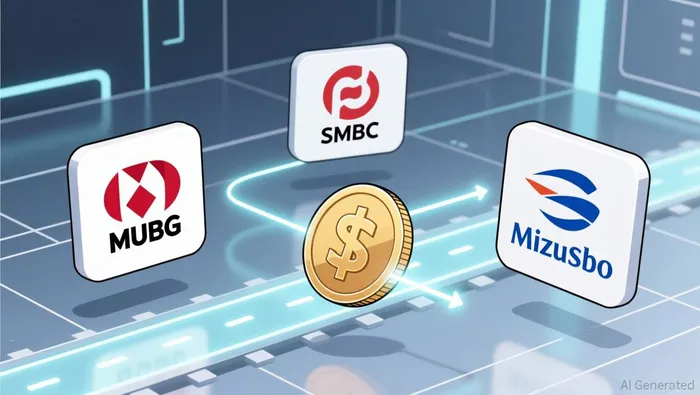
If large corporations can pay suppliers, move cash between subsidiaries, or settle trade invoices on a shared rail, the token starts to look less like a demo and more like working capital. The first gains would be speed and reconciliation; the bigger test is whether usage scales.
Why the funds could stay inside the supervised banking system
The shared-rail design matters because it lets payments settle in the same asset across bank boundaries instead of forcing each bank into a siloed product. Japan already has a regulated yen stablecoin precedent through the first regulated yen-pegged stablecoin in Japan, and newer entrants are backing reserves with domestic bank deposits and Japanese government bonds. That reserve model helps explain why the project could stay closer to working capital than to speculative crypto activity.
The chain is straightforward:
- regulated issuance lets corporates hold a compliant payment token
- the token is backed by cash and short-duration government paper
- payment demand rises as invoices, payroll, and transfers migrate
- deposits and reserves remain inside the supervised banking system
That is why treasury and settlement preparation matter now. Global regulatory clarity is already pushing institutions to plan stablecoin integration across treasury, settlement, and payment flows.
Asia already shows the scale of stablecoin settlement
Asia is not a niche lab. It handled approximately $2.36 trillion in crypto value during 2024, with stablecoins driving the majority of settlement volume. That context supports the case that stablecoins can matter for business payments in the region. The debate is whether Japan's megabank-backed token can capture that behavior inside a domestic, regulated channel rather than leaving it offshore.
What to watch between the pilot and a live launch
The clock runs from the pilot's November 2025 start to the March 2027 launch target. During that window, the main job is to separate a regulated pilot from a functioning payment rail.
Governance and reserve design come first
The first signposts are governance and design, not press releases. The pilot needs clear operating standards, a defined council structure, and a reserve model that keeps the token close to business payments rather than speculative liquidity. The local precedent is a fully reserved yen stablecoin backed by domestic bank deposits and Japanese government bonds.
Adoption has to cross bank lines
Real proof of use would show up in a few specific ways:
- Cross-bank usage: A payment from a MUFG client to a Mizuho client settles on the shared token instead of staying inside one bank's system.
- Treasury demand: Corporate treasury and payments teams actively route invoices, payroll, or subsidiary transfers onto the rail.
- Expansion beyond domestic use: Usage starts with domestic corporate payments and then broadens, rather than remaining a limited compliance demo.
What would weaken the thesis
Bears do not need a hard rejection. They need friction:
- whitelisted-only access that keeps adoption narrow
- closed corporate loops with little true interbank flow
- no published operating standards from the collaboration
- low repeat volume after initial pilot transactions
For now, the most useful lens is practical: watch for formal governance, clean operating standards, and repeat corporate flows across bank lines before March 2027.