

June 2026 favors ownership only when it still signals alignment
Ownership matters only when insiders still have real skin in the game, not just a concentrated cap table. In June 2026, Asia is being driven by AI optimism and U.S.-Iran negotiation hope. That backdrop can lift any stock with a credible growth story, but it should favor companies where management interests still appear aligned with outside investors.
A high insider-ownership headline is only useful if it still reflects current conviction. Static ownership can be stale: it may say more about founding history or past structure than what management believes today. What matters more is whether insiders are still exposed enough for their interests to move with shareholders.
That is why the filter should change. The question is not simply, "Who owns the most?" It is, "Who still has meaningful exposure while the market is distracted?" That is where stronger risk/reward setups are more likely to appear first.
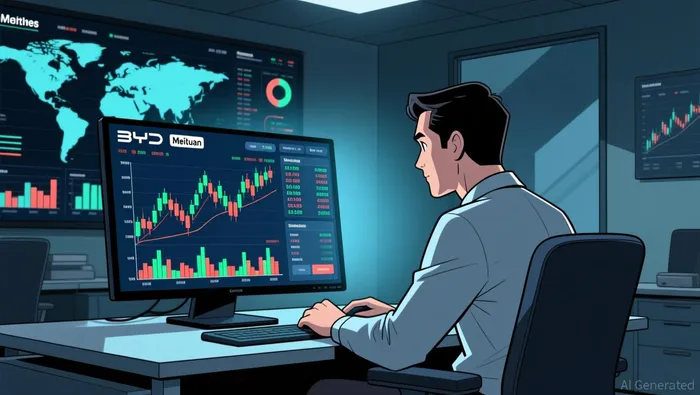
Insider ownership is the starting filter, not the final signal
Ownership is only the starting gate. In a market already lit up by AI optimism and U.S.-Iran negotiation hope, screens that rank by insider ownership alone can create a false sense of quality.
A better filter stack
The hard filter should come first:
- Recent insider buying matters more than headline ownership. An ownership snapshot shows exposure; recent Form 4 activity shows behavior.
- Prefer alignment over exposure. Ongoing accumulation is a stronger signal than a large block that has sat unchanged for years.
- Check market structure. High insider ownership can mean a thinner float, which can worsen slippage and price discovery.
- Stress-test minority protections. In some Asian names, concentrated ownership can leave outside investors more exposed, not less.
That sequence matters because a stock can keep sounding "high ownership quality" even when management's interests are no longer moving in step with outside holders.
Why recent Form 4 activity matters more
Accenture is a useful warning. Sekido Ryoji sold about $1.1 million of Accenture stock and was left with just 6 direct shares. Because the sale was made under a Rule 10b5-1 plan, it may have been routine rather than a negative view of the business. Even so, the filing matters: it shows that a large insider stake can shrink faster than the headline picture suggests.
The point is not to treat every sale as bearish. It is to avoid the shortcut of assuming a big insider stake automatically equals strong current conviction. If recent filings show insiders reducing positions, the alignment story is weaker than the ownership percentage alone implies.
BYD is the only fully supportable A-list name so far
One name stands out on the evidence currently available.
BYD: strong ownership signal, but fundamentals still have to improve
BYD is the strongest supportable pick because the ownership signal is real and the company is large enough to matter. Insiders own 28.3% of BYD, and the company sits at a market cap of approximately HK$961.76 billion. That combination suggests meaningful insider exposure without the float constraints that can plague smaller names.
But the bull case still has to earn its keep. Bears have a live objection: BYD vehicle sales fell by 30.1% in January. That is too large a drop to dismiss. If demand keeps weakening, high insider ownership alone is not enough.
So BYD belongs first on the shortlist only as a watch-and-accumulate name, not a blind conviction trade. The setup works if ownership alignment helps the company ride through a weak patch and return to growth. It breaks if deliveries keep softening without sign of stabilization.
Meituan and Leapmotor need the growth case to confirm
Meituan and Leapmotor may still belong on a longer watchlist, but the ownership signal is secondary to the operating case.
- Meituan: Insider ownership is solid, but the more important question is whether profitability can keep converting growth expectations into repeated execution.
- Leapmotor: Insider ownership and growth expectations matter, but the clearer catalyst is the Stellantis partnership and what it means for scale beyond China.
If a name offers high ownership, no recent insider buying, and no near-term catalyst, it should be treated more cautiously. In this market, momentum can lift many growth stocks. The edge comes from distinguishing real conviction from a favorable narrative.