

Kuwait condemnation and IRGC claims put the ceasefire under pressure
This was not just a local incident. Kuwait strongly condemned Iranian missile and drone attacks on its territory, and the IRGC said it carried out a strike on a U.S. airbase in response to U.S. action near Bandar Abbas. That creates two very different readings: one side sees a limited deterrent display, the other sees the beginning of a broader regional exchange.
Markets reacted to escalation risk, not just the headline
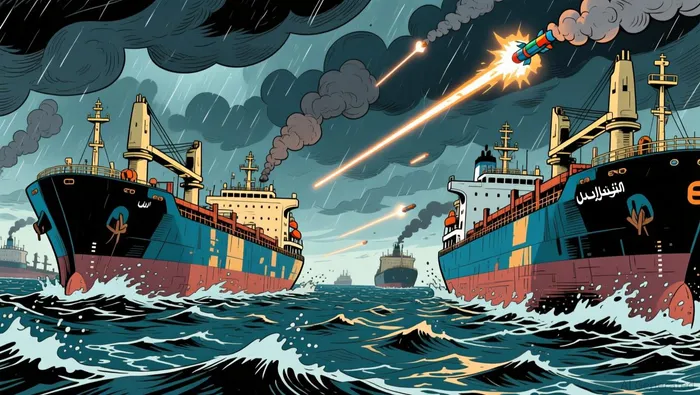
The immediate market response pointed to concerns about oil and shipping. Reuters said the strikes dented investor confidence in a peace deal seen as important for easing global inflation risks, while separate reporting said stocks fell, oil rose, and the Strait of Hormuz looked no closer to normal traffic. That combination suggests investors were pricing a longer-lasting regional shock rather than a one-day event.
The ceasefire still exists, but the risk profile has changed
The truce taking effect in early April remains the backdrop, but Kuwait is no longer just a collateral headline. It is starting to look more like a flashpoint that could turn a brief military shock into a more persistent oil and shipping problem.
Kuwait's location makes it more than a one-day security scare
Kuwait's statement said it strongly condemned Iranian missile and drone attacks on its territory, and Saudi Arabia and other Gulf states also condemned the Iranian attacks on Kuwaiti territory. That regional response helps explain why the incident is being read as a wider Gulf security issue rather than an isolated episode.
Intercepted threats still matter even without an immediately confirmed launch point
Kuwait's army said its air defences were intercepting hostile missile and drone threats and did not specify the attacks' origin in that initial statement. That leaves room for debate over responsibility, but the market signal is still clear: airspace was contested, hostile projectiles were launched, and deterrence was being tested after the ceasefire was supposed to be in place since early April.
Why interceptions can matter more than headlines
A blocked attack is not the same as de-escalation. Even when air defences do their job, the event still signals that the region remains vulnerable to disruptions that can affect oil flows, shipping confidence, and risk pricing across markets.