

Lotus just pulled the plug on its 2028 all-electric pledge. The new plan, Focus 2030, is a clear pivot to a hybrid future, but it's a pragmatic move that directly challenges the brand's lightweight, performance DNA. The core of the strategy is a 'Super Hybrid' system promising a staggering 680-mile range. This abandons the earlier criticism of plug-in hybrids as compromising the driving experience, signaling a shift from pure philosophy to market survival.
The immediate product shift is the 2027 launch of a plug-in hybrid Emira. This is the linchpin. The Emira, already a fan favorite, is getting a major upgrade. CEO Feng Qingfeng confirmed it will debut an upgraded V6, and more controversially, the company is investigating the feasibility of a V8. This tension is the heart of the strategic bet. They're chasing performance and driving purity while being forced to meet stringent emissions regulations like the upcoming Euro 7 standard.
The bottom line is a hybrid pivot to navigate headwinds. Slowing EV adoption, tariffs, and a tough emissions landscape have made an all-electric future untenable. Focus 2030 is a survival play, blending combustion power with rapid charging to offer a practical, long-range solution. But for a brand built on lightness and fun, adding a heavy hybrid system and chasing V8 power is a direct challenge to its identity. It's a bet that the market will pay for performance, even if it's not pure. Watch the Emira's final specs-this will be the litmus test of the new strategy.
The Brand DNA Test: Lightness vs. Hybrid Weight
Lotus's new hybrid strategy is a direct assault on its own legendary philosophy. The core tenet, "lightness," has defined the brand since Colin Chapman's era. It's the reason the Elan was revolutionary and the Seven remains iconic. Now, the company is betting that a 'Super Hybrid' system can deliver performance without the weight penalty. The math is simple: a heavy battery pack and electric motor add mass that directly contradicts the brand's DNA. This isn't just a technical challenge; it's a philosophical betrayal.
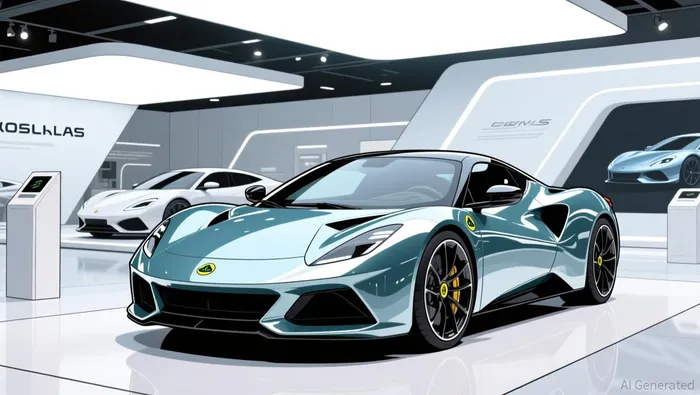
The pivot is stark. Earlier, Lotus criticized plug-in hybrids for compromising the driving experience. Now, it's embracing one as the centerpiece of its future. The new plan is to offer a seamless driving experience with a 900V architecture for rapid charging. But the promise of a 680-mile range comes at a cost-the added weight of the hybrid hardware. For a brand built on shedding pounds, this is a fundamental trade-off. The question is whether the market will pay for the range and performance, or if the extra mass kills the magic.
This tension is amplified by rumors of a V8 for the Emira. CEO Feng Qingfeng confirmed the company is investigating the feasibility of a V8. That's a pure performance play, chasing the raw power and sound that define a true sports car. Yet, it's a move that clashes violently with the new Euro 7 emissions regulations. Adding a large, thirsty V8 engine while trying to meet these standards is a high-wire act. It highlights the demand for pure driving experience, but also the immense engineering and cost challenge of balancing it with environmental rules.
The bottom line is a brand in crisis. Lotus is trying to have its cake and eat it too: offering a long-range, high-performance hybrid while clinging to a legacy of lightness. The Emira is the proving ground. If the hybrid system adds too much weight, it will ruin the handling that fans pay for. If they force a V8 into the mix, they risk regulatory penalties and higher costs. This is the DNA test. The hybrid pivot is a pragmatic survival move, but it's a direct assault on the core identity that made Lotus special. Watch how they solve this weight equation. The answer will define the brand's next chapter.
Financial & Competitive Realities
The strategic pivot isn't just about philosophy-it's a direct response to brutal market and financial pressures. The company's key EV bet, the Eletre SUV, has been a far less success than anticipated. This underperformance is a double whammy: it's being crushed by slowing demand for electric vehicles and hit by tariffs on those made in China. For a brand trying to go all-electric, this is a critical failure that directly threatens its financial runway and forces a retreat to the more proven hybrid path.
To survive this squeeze, Lotus is cutting costs and streamlining. The company is consolidating the Lotus Technology (based in China) and Lotus Cars divisions into a single entity to achieve efficiency improvements. This internal restructuring is a classic sign of a company under pressure, trying to shed bureaucracy and focus resources. It underscores that the Focus 2030 plan isn't just a product shift; it's a necessary financial reset.
This makes the Emira's fate absolutely critical. The car is being positioned as the last in a line-up of legendary Lotus models powered by internal combustion engines. That's a powerful narrative, but it also means its hybrid conversion in 2027 is the absolute linchpin for sales continuity. There is no other ICE model in the pipeline to fall back on. The plug-in hybrid Emira must bridge the gap between the brand's heritage and its new hybrid future. If it fails, the company loses its primary sales engine just as its EV push stumbles.
The bottom line is a company fighting on multiple fronts. Slowing EV demand and tariffs have sunk its key product. Internal restructuring is a cost-cutting move to survive. And the Emira is the make-or-break vehicle that must carry the torch. The hybrid pivot is the tactical response to these realities, but the financial health of the entire plan now hinges on one model's ability to deliver. Watch the 2027 launch like a hawk.
Catalysts & Risks: What to Watch
The Focus 2030 thesis now faces its first real-world tests. The next 18 months are critical, with three key catalysts that will validate or sink the hybrid pivot.
The 2027 Emira PHEV Launch: The Make-or-Break Test The 2027 launch of the Emira PHEV is the single most important event. This is the linchpin of the entire strategy. If the plug-in hybrid conversion fails to deliver the promised driving purity while adding too much weight, it will be a devastating blow to the brand's DNA. The market reception here will be the ultimate validation of the "Super Hybrid" promise. It must prove that the Emira can remain a "sexy and fun" driver's car while meeting modern range and emissions demands. This launch is the litmus test for the entire Focus 2030 plan.
Euro 7 Regulations: The Regulatory Time Bomb The looming Euro 7 emissions regulation set for late November next year is a major risk. The current V6 engine is reportedly not up to the new standard, which is why the company is investigating a V8. This creates a high-stakes engineering challenge. Any delay in developing a compliant powertrain could push back the Emira's hybrid launch or force costly redesigns. The company must navigate this regulatory hurdle without sacrificing the performance that defines the model. Watch for any updates on engine compliance timelines.
Eletre's Hyper Hybrid Rollout: A Secondary Validation While the Emira is the primary test, the full rollout of Hyper Hybrid technology in the Eletre SUV is a secondary but important signal. The Eletre has been a far less success than anticipated, so this hybrid upgrade is a critical attempt to revive its sales. If the Hyper Hybrid system can make the Eletre more appealing in a slowing EV market, it provides a positive data point for the technology's marketability. If it fails, it undermines confidence in the hybrid platform across the entire lineup.
The Bottom Line: The Emira's post-hybrid sales performance is the key financial metric to track. It must either boost overall sales volume or cannibalize the pure ICE models without killing demand. The company's financial health now hinges entirely on this one model's ability to succeed. Watch the 2027 launch like a hawk. If the Emira PHEV delivers, the hybrid pivot has a fighting chance. If it falters, the Focus 2030 plan is in serious trouble.