

The S&P 500 just cleared a new all-time high, while the Nasdaq extended its winning streak to twelve consecutive sessions-the longest run since 2009. Japan's Nikkei 225 joined the celebration, also hitting a record. The message from global equities is unmistakable: investors are betting on de-escalation.
But here's the disconnect. While stock markets march onward, Brent crude remains hovering near $100 a barrel, and the Strait of Hormuz-the world's most critical oil chokepoint-stays closed. Oil markets are not pricing in a full resolution to the Middle East conflict. If peace were truly assured, you would expect energy prices to retreat meaningfully from these levels.
This divergence raises a critical question: is the equity rally justified, or is it pricing for perfection? The answer lies in how aggressively expectations have moved. Consider that TSMC and ASML-both posting better-than-expected results-saw their shares fall anyway. Netflix dropped 9% after earnings beat, simply because co-founder Reed Hastings announced his board departure. These aren't fundamental disappointments; they're symptoms of a market pricing in flawless execution with zero room for geopolitical stumbles.
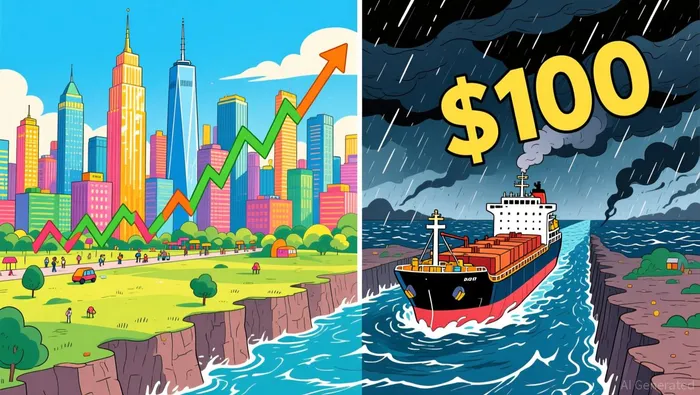
The risk here is asymmetric. The upside from continued peace is already baked into record valuations. The downside-from a renewed flare-up, a disrupted Strait, or simply the slow grind of ongoing tension-remains largely unhedged. As one analyst noted in the wake of the Allbirds AI pivot frenzy, "The market is not pricing risk. It is pricing narrative." That dynamic is at work here too.
For now, the rally reflects hope. But hope is a fragile foundation when critical trade routes remain blocked and oil markets are signaling caution. The question isn't whether peace is desirable-it's whether the market has already discounted it completely, leaving investors exposed when reality inevitably falls short of perfection.
The Ceasefire's Fragility: Trump's Mixed Messaging
The administration's own messaging undermines the peace narrative markets are betting on. President Trump told CNBC's Squawk Box earlier Tuesday he did not want to extend the Iran truce-then hours later announced on Truth Social that the ceasefire would continue to allow talks to continue. This reversal, consistent with his pattern of policy flip-flops, has already earned the nickname TACO-"Trump Always Chickens Out"-among observers tracking Middle East dynamics.
That kind of volatility in U.S. positioning creates genuine uncertainty for investors pricing in de-escalation. When the executive branch signals conflicting messages within hours of each other, counterparties have little confidence to commit to sustained negotiations. The result is exactly what we're seeing: oil prices that remain elevated despite the ceasefire extension, and markets that rally on hope while energy fundamentals stay tight.
The situation is compounded by reports that U.S. Marines are arriving in the region amid reports that Washington is mulling a ground operation. This development alone raises the risk of renewed escalation-any ground involvement would fundamentally alter the conflict's dynamics and likely trigger a sharp energy price response. Trump's threats to destroy Iran's oil infrastructure if a deal isn't reached "shortly" already sent WTI above $100 a barrel earlier this week for the first time since 2022.
Domestic political turbulence adds another layer of unpredictability. The attempted shooting at the White House Correspondents' Dinner over the weekend-where an armed suspect charged a security checkpoint targeting administration officials-underscores the volatile political environment surrounding this administration with details continuing to trickle in. When security incidents of this magnitude occur alongside diplomatic negotiations, it signals an administration under unusual strain.
The market's reaction to these signals is telling. While equities hit record highs, oil markets are not celebrating. Brent crude traded at $107.37 per barrel on news of the collapsed peace talks before the ceasefire extension was announced, and even after the extension, prices remain well above pre-tension levels. This divergence suggests energy markets are pricing in continued risk-not a resolved conflict.
For investors, the question becomes whether the equity rally has already discounted a peace outcome that the administration's own behavior makes uncertain. The answer appears to be yes-which creates an asymmetric risk setup. The upside from genuine de-escalation is largely captured in current valuations. The downside from renewed tension, whether from diplomatic collapse, military escalation, or simply the slow grind of ongoing instability, remains underappreciated.
What's Actually Priced In vs. What's at Risk
The market is pricing in a clean peace dividend-but the ingredients for that scenario keep disappearing. The S&P 500 and Nasdaq have rallied as if de-escalation is assured, yet the Strait of Hormuz remains closed and Brent crude still hovers near $100 a barrel Brent prices are still close to $100. That gap between equity optimism and energy reality is where the risk lives.
Second-level thinking asks: what is the consensus missing? The answer is structural. The market treats the ceasefire as a binary event-peace or no peace-but the actual risk is far more granular. Even if fighting stops, oil supply remains constrained by the Strait closure. Any renewed tension-whether from diplomatic collapse, a military miscalculation, or simply the slow grind of unresolved conflict-would immediately push oil above $100 and pressure equities. The market has not priced that optionality.
Trump's track record sharpens this risk. His rhetoric on Iran has escalated repeatedly: threats to destroy oil infrastructure, cancel negotiations, and deploy ground forces U.S. Marines arrive in the region. The administration's own flip-flopping-announcing a ceasefire extension, then reversing course within hours-undermines confidence in any diplomatic outcome ceasefire extension. When the executive branch signals conflicting messages, counterparties have little incentive to commit to sustained de-escalation.
Tech stocks, which led the rally, face their own headwinds that the market may be underestimating. Meta and Microsoft cut more than 20,000 jobs last week amid AI-driven restructuring Meta and Microsoft cut jobs. At the same time, top software executives are being poached by AI giants like OpenAI. This isn't just cost-cutting-it's a fundamental reshuffling of the industry's talent architecture, and it introduces execution risk at precisely the moment valuations are pricing for perfection.
The asymmetry is clear. The upside from a stable Middle East and continued tech strength is largely captured in current record valuations. The downside-from a renewed flare-up, a disrupted Strait, or execution missteps at major tech names-remains underappreciated. When the market prices for perfection, even modest disappointments can trigger outsized moves. That's the setup investors face now.
Catalysts and What to Watch
The peace thesis is fragile-and the market's reaction to upcoming catalysts will reveal whether the rally is built on substance or sentiment. Here are the specific watchpoints that will determine if this holds or breaks.
Trump's next statement is the immediate trigger. The administration's pattern of flip-flopping means every tweet and interview becomes a market-moving event. If Trump contradicts the ceasefire narrative-whether by threatening renewed sanctions, questioning the deal, or signaling support for escalation-equities could reverse course rapidly. The market has already shown it reacts to his messaging volatility Trump announced a 10-day ceasefire-but the question is whether the next statement undermines it.
Oil price action is the reality check. Brent crude hovering near $100 while equities hit record highs is the key divergence to monitor. Oil below $90 would signal genuine de-escalation-markets would be pricing in a resolved conflict. Sustained levels above $100 suggest the market still prices in significant risk Brent prices are still close to $100. The Strait of Hormuz remains closed, and until that changes, energy markets are not celebrating a full resolution.
Military movements matter more than diplomatic rhetoric. Any announcement of a formal peace treaty or U.S. troop withdrawal would be a stronger signal than another ceasefire extension. The recent report of U.S. Marines arriving in the region amid reports that Washington is mulling a ground operation raises the risk of escalation-if that moves forward, oil prices would likely spike and pressure equities.
The asymmetry is clear. The upside from genuine de-escalation is largely captured in current record valuations. The downside-from a renewed flare-up, a disrupted Strait, or simply the slow grind of ongoing tension-remains underappreciated. Watch these catalysts closely. When the market prices for perfection, even modest disappointments can trigger outsized moves. That's the setup investors face now.