

The new secondary puts Medline's $41 benchmark back under pressure
Medline's latest offering puts $41 back at the center of the valuation debate, and the next 90 days should matter more than the headline alone. The current deal adds up to an additional 11,250,000 shares to the 75,000,000 shares already priced. Medline is not selling any shares in the offering and will not receive any of the proceeds, so this is a seller-led liquidity transaction rather than corporate fundraising.
Why $41 still matters
Last year's secondary set the clearest benchmark. Medline later completed that earlier offering at 86.25 million shares at $41.00. That makes $41 more than a chart level: it is the price at which the market previously absorbed a very large block of seller stock.
The real question for the next quarter
Bulls can argue the market already showed strength by closing the first secondary at $41.00 per share, with no immediate price reset. Bears will argue the opposite: if another tranche of seller shares hits the market and Medline still receives none of the proceeds, each new offer becomes another demand test. The key question is whether buyers will keep absorbing supply at $41.00 or whether fresh seller pressure starts pushing the stock toward a discount.
Why a second secondary carries more weight
A second seller-led offering is not just more shares. It is a fresh test of whether the first one was a one-time exit window or the start of a repeated pattern.
Medline's IPO already set a high bar
Medline's debut was large to begin with: an upsized initial public offering that reached an expected $6.26 billion when over-allotment was included. The broader market at the time also had surging deal sizes and strong pricing power. Investors were willing to underwrite and buy into a giant debut, not a post-listing cash-out.
That distinction matters. The first secondary looked more like a cleanup operation, with some early owners taking partial profits after a landmark IPO. A follow-on secondary asks a harder question: if occasional owner liquidity can be excused while a company is private, repeated seller supply after listing can look more like a persistent drain on demand.
Why the follow-on matters more
The first secondary already put 86.25 million shares into the market, with proceeds going to selling stockholders rather than Medline. That showed buyers were willing to absorb a large block, but it also used up some of the market's first-round patience.
Now investors have to decide whether that appetite was a sign of structural strength or simply early-IPO enthusiasm. In practical terms, the first secondary showed the market could handle one large seller exit. The second one tests whether it can handle another.
What bulls and bears are really debating
Bulls will say the backdrop still helps. The IPO window that preceded Medline's debut was unusually friendly, with 86% of IPOs pricing at or above the midpoint. If that demand tone holds, another seller-led offer can still clear without much trouble.
Bears have the simpler read: a second secondary means owners are still using the public market as an exit route. If that continues, the stock may be judged less on Medline's business performance and more on how much outside capital is willing to absorb from existing holders. That is why the next 90 days matter so much.
How to read the next steps without overreacting to the headline
The practical signal is not the announcement itself. It is whether buyers keep absorbing seller supply at the same price.
The clean benchmark
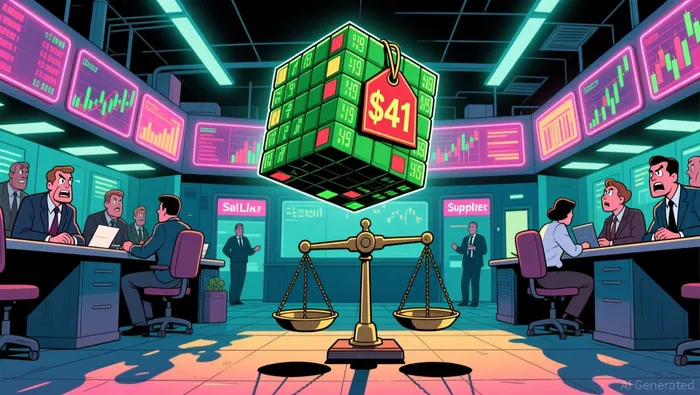
Use the last completed deal as the reference point. Medline's secondary closed at 86.25 million shares at $41.00, and the current structure includes an option to purchase up to an additional 11,250,000 shares. That gives investors two clear signals instead of one noisy headline: the price level buyers accepted before, and whether additional seller shares can be absorbed at that same level.
What would support the stock
A constructive read would show up if Medline can repeat the prior setup without changing the price. In plain English, that would mean the market is still willing to buy this stock at $41 even though the company is not raising any cash.
What would weaken it
A weaker read would show up if:
- the next offer is priced below $41
- the extra-share option is not exercised or is only partially exercised
- management or underwriters have to extend the marketing process or bring in additional buyers to complete the deal
That would suggest $41 was not a firm market-clearing level, but rather the best price found during a favorable stretch of demand.
What would change the framework
This watchlist works best while the story remains focused on owner exits. If future capital raising becomes a primary offering in which Medline itself raises money, the logic changes. A company-led raise would be a different story from the recent secondary, in which Medline is not selling shares and is not receiving any proceeds.