

MINT has carved out a $13.3 billion niche as the go-to parking spot for tactical cash. But beneath the liquidity veneer lies a different reality: this is an actively managed rate and credit bet dressed in safe-haven clothing.
The average investor approaching MINT sees a money-market alternative with daily liquidity and a yield advantage. They're treating it as a temporary holding pattern - a place to park capital while waiting for opportunity. That expectation is understandable. The fund's average portfolio duration of less than one year signals minimal interest rate sensitivity. The 4.44% annual dividend rate looks like a stable income stream. Together, these features create the illusion of a passive vehicle.
But the illusion breaks down under scrutiny. The fund's return driver isn't capital preservation - it's carry. As noted in prior analysis, the main driver of the ETF's returns was the carry it generates. That means the fund's performance hinges on rolling short-term securities at favorable spreads, not on holding to maturity or providing a stable NAV. The 57% portfolio turnover rate confirms this is an active trading book, not a buy-and-hold structure.
Here's the expectation gap in concrete terms: investors who treat MINT as a cash equivalent are implicitly betting that short-term rates won't fall sharply and credit spreads won't widen. If the Fed cuts aggressively or risk sentiment sours, the carry compresses and the fund's yield chase becomes a zero-sum game against declining reinvestment rates. The potential for issuer defaults, though mitigated by investment-grade focus, remains a real - if secondary - risk that money market purists don't expect to contemplate.
The bottom line: MINT delivers what PIMCO's active management extracts from the short-end curve today. It does not deliver the stability of a Treasury bill or the absolute capital preservation of a true cash vehicle. Investors who need liquidity should still reach for bills. Those seeking yield enhancement should recognize they're taking a view - whether they intend to or not.
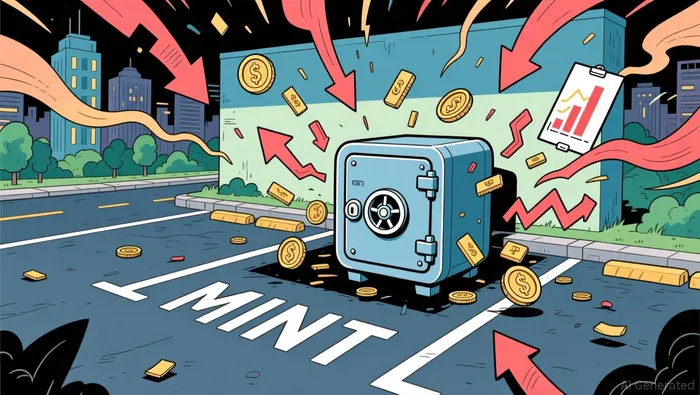
What's Priced In - And What MINT Is Actually Betting On
The market treats MINT as a neutral liquidity vehicle - a passive parking spot for tactical cash. That assumption creates an expectation gap. The fund's average portfolio duration of less than one year and carry-driven returns signal something more active than the market realizes.
Here's what's priced in: investors approach MINT expecting stable NAV preservation with modest yield enhancement over Treasury bills. The 4.44% dividend rate appears as a stable income stream, not as a bet on anything. The market whispers "cash equivalent" - low risk, low sensitivity, reliable liquidity.
But PIMCO's active management tells a different story. The 57% portfolio turnover rate reveals a trading book, not a buy-and-hold structure. This is an actively managed credit and rate position. The carry strategy works by rolling short-term securities at favorable spreads - it requires reinvestment at acceptable yields to sustain the dividend. That creates an implicit view on the short-end of the curve.
The critical insight: MINT's carry-focused strategy performs best when the yield curve doesn't steepen dramatically from current levels. If short-term rates hold or rise, the fund maintains its spread advantage over traditional money markets and Treasury bills. The carry persists, the dividend holds, and MINT outperforms its liquidity-vehicle peers.
But if the market's whisper about aggressive Fed cuts proves correct, the carry advantage compresses. Reinvestment rates fall, the spread narrows, and the 4.44% dividend becomes harder to sustain. The fund doesn't fail - it simply reverts toward the very Treasury benchmarks it claims to beat.
This is the expectation arbitrage. The market prices MINT as neutral. PIMCO's positioning suggests a view that short-term rates will remain supportive of carry. If that view is wrong, the fund's outperformance evaporates. If it's right, the carry engine keeps running. The gap between what investors think they're buying and what they're actually getting is where the risk - and the opportunity - lives.
What Would Break This Thesis: The Sandbagging Risk
The contrarian bet on MINT rests on one assumption: that PIMCO's carry engine will keep running because short-term rates stay supportive. That assumption breaks in two scenarios - and both would turn this "safe haven" into a value trap for unsuspecting liquidity investors.
The first and most immediate risk is aggressive Fed cuts. The market's whisper number on rate path is already pricing in meaningful easing. If the Fed delivers more than expected - a recession forces the hand - the carry advantage compresses rapidly. Reinvestment rates fall, the spread over Treasury bills narrows, and the 4.44% dividend becomes mathematically harder to sustain. The fund doesn't break - it simply reverts toward the very benchmarks it claims to beat. Investors who approached MINT expecting stable yield enhancement would find their income stream shrinking just when they needed it most.
The second risk is credit spread widening. Even with an average portfolio duration of less than one year, MINT holds corporate bonds and agency securities diversified portfolio of short-duration, investment-grade debt securities. In a stress scenario - recession, geopolitical shock, or financial system strain - credit spreads widen across the curve. Short-duration corporate exposure isn't immune. The fund's investment-grade focus mitigates default risk, but it doesn't eliminate mark-to-market pressure. When spreads widen, the carry that drives returns gets squeezed from both sides: lower reinvestment yields and potential capital erosion on existing holdings.
Here's the sandbagging risk: the market prices MINT as a neutral liquidity vehicle. No one is betting on its success - which means no one is pricing in its failure either. But if the rate environment shifts against its positioning, the fund becomes a trap for investors who treated it as cash equivalent. They're holding a rate bet they didn't know they were making, with a yield that looks stable until it isn't.
The bottom line: MINT works as long as the short-end of the curve behaves. It breaks if the Fed cuts too aggressively or if credit stress hits. Investors seeking true liquidity should still reach for Treasury bills. Those seeking yield should recognize they're taking a view - and if that view is wrong, the carry evaporates.
Catalysts & What to Watch
The contrarian thesis on MINT hinges on specific forward-looking conditions. Here's what changes the expectation calculus - and when the market's pricing of this fund needs a reset.
The Fed path is the primary catalyst. The market's current whisper number prices in meaningful rate cuts over the next 12-18 months. If inflation data surprises to the upside and the narrative shifts from "cuts coming" to "higher for longer," MINT's carry engine gains runway. Reinvestment rates stay elevated, the spread over Treasury bills persists, and the 4.44% dividend remains sustainable. That's the scenario where PIMCO's active positioning pays off - and where investors who treated MINT as a neutral liquidity vehicle get a pleasant surprise.
But the reverse is equally plausible. Should the Fed cut faster or deeper than expected - a recession forcing the hand - the carry advantage compresses rapidly. The key is watching the gap between short-term Treasury yields and the yields MINT can earn on its corporate bond holdings. That spread is the fund's lifeblood. The main driver of the ETF's returns is the carry it generates, and carry requires a positive spread to reinvest at.
Duration shifts signal PIMCO's confidence. The fund maintains an average portfolio duration of less than one year - but that's an average, and active managers adjust positioning as views change. If PIMCO extends duration meaningfully, it's betting on rates staying elevated or falling slowly. If they shorten further, they're hedging against aggressive cuts or credit stress. Either move would be a signal that the contrarian bet is either doubling down or pulling back.
Credit spreads are the secondary risk. MINT holds corporate bonds and agency securities diversified portfolio of short-duration, investment-grade debt securities. In a stress scenario, spreads widen across the curve. Short-duration corporate exposure isn't immune to mark-to-market pressure when risk sentiment sours. The fund's investment-grade focus mitigates default risk, but it doesn't eliminate the spread widening that squeezes carry from both sides - lower reinvestment yields and potential capital erosion on existing holdings.
What to watch: - Fed policy statements and dot plot shifts - any move toward "higher for longer" supports MINT - Monthly CPI and PCE inflation data - upside surprises reset cut expectations - The spread between 3-month Treasury bills and short-term corporate bond yields - widening = headwind - PIMCO's commentary on duration positioning - any shift signals a view change - The fund's dividend rate trajectory - sustained cuts would signal carry compression
The bottom line: MINT is a bet on the short-end of the curve behaving. Watch the Fed, watch the spread, watch PIMCO's positioning. If any of these break against the fund's positioning, the expectation gap closes - and investors who thought they were holding cash equivalent will find they were holding a rate bet all along.