

Average 30-year fixed mortgage rates climbed to 6.57%, marking a three-month high driven by inflationary pressures. Geopolitical tensions in Iran and a hot Producer Price Index report pushed bond yields and mortgage rates upward. Refinance applications have cooled, with homeowners avoiding the reset of low historical rates. A divided housing market emerges as new home sales rise while existing home sales stall. Experts do not anticipate a return to the sub-3% rate environment seen in 2021.
Mortgage rates surged to their highest level since March, reflecting a sudden shift in the borrowing landscape for potential homebuyers and current homeowners alike. The average contract interest rate for a 30-year fixed-rate mortgage hit 6.57% this week, a sharp increase fueled by a combination of sticky inflation data and escalating geopolitical risks. This upward movement is not just a statistical blip; it represents a structural barrier that is fundamentally altering how Americans approach homeownership and debt management in 2026.
What Is Driving Current Mortgage Rates Higher?
The primary catalyst for this rate jump is a convergence of economic data and global instability. The Consumer Price Index and the Producer Price Index (PPI) both released reports indicating that inflation remains stubbornly high, pushing investors to demand higher yields on Treasury bonds. Since mortgage rates are heavily benchmarked to the 10-year Treasury note, bond yields rising directly translates to higher borrowing costs for consumers. Furthermore, complications in negotiations regarding the Iran war have added a geopolitical premium to the market. Disruptions in global energy supplies raise fears of sustained inflation, causing investors to sell bonds and pushing yields even higher.
While the Federal Reserve held the federal funds rate steady at 3.50%-3.75% in its most recent meeting, the disconnect between short-term policy rates and long-term mortgage rates is widening. Experts note that the Fed's current stance is insufficient to counter the persistent core PCE inflation, which has climbed to 4.3%. Consequently, lenders are adjusting their rates to protect their returns against the falling purchasing power of the dollar, ensuring that mortgage rates remain elevated for the foreseeable future.
How Do Current Mortgage Rates Impact Refinancing Activity?
The current rate environment has created a distinct disincentive for homeowners to refinance their primary mortgages. With the average 30-year fixed rate hovering near 6.4% to 6.5%, homeowners who secured mortgages at significantly lower rates in previous years face a steep penalty for resetting their debt. Instead of refinancing, many are turning to home equity lines of credit (HELOCs) or fixed-rate home equity loans to access cash.
Second mortgage rates, currently averaging around 7.2% to 7.4%, remain structurally higher than primary mortgage rates. However, for a homeowner with a 3% or 4% primary mortgage, taking out a second lien to access equity is financially preferable to refinancing their first mortgage and paying 6.5% on the entire balance. This dynamic is cooling the refinance market, which now accounts for just over 40% of total mortgage applications, the lowest share seen since mid-2025.
Why Are Mortgage Rates and Housing Sales Moving in Opposite Directions?
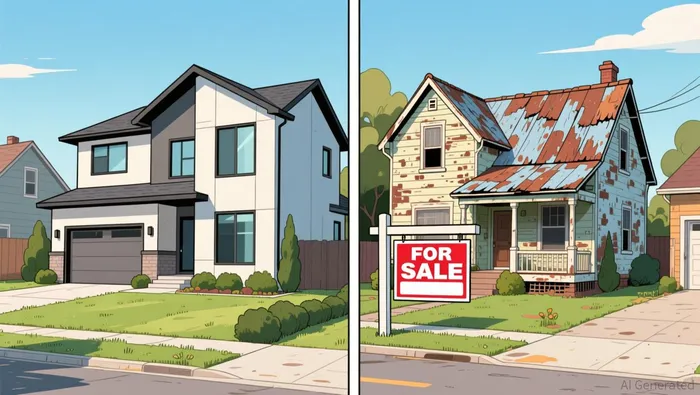
Despite the surge in borrowing costs, the housing market is showing signs of unexpected resilience, particularly in the new home sector. New home sales jumped more than 7% in March, as builders utilize financial incentives and rate buydowns to attract buyers. Conversely, existing home sales have dipped to a nine-month low, as homeowners with low locked-in rates refuse to sell and move into a much more expensive borrowing environment. This has created a bifurcated market where affordability is severely restricted for first-time buyers, while new construction remains active. This dynamic is expected to keep housing supply tight, preventing a significant drop in home prices even as borrowing costs rise.
What to Watch Next
Looking ahead, the direction of mortgage rates will depend heavily on the Federal Reserve's ability to rein in inflation without triggering a recession. If the labor market remains robust and wage growth continues to outpace productivity, long-term rates are unlikely to decline meaningfully in the near term. Investors and borrowers should monitor the 10-year Treasury yield and upcoming inflation reports, as these will dictate the daily fluctuations in mortgage pricing. Until inflation shows a clear downward trajectory, the era of ultra-low mortgage rates appears to be over, forcing consumers to adapt to a higher-cost borrowing reality.