

In the complex world of investing, few forces are as dramatic or as predictable as the commodity supercycle. These are extended periods where the prices of raw materials like oil, copper, and wheat rise significantly due to sustained increases in global demand outpacing supply. For individual investors, understanding these cycles is crucial because they can reshape entire portfolios, often driven by events far removed from the trading floor: geopolitics. This article explores how political tensions trigger supply shocks and how savvy investors can navigate these waves of volatility.
At its core, a commodity supercycle is a long-term economic phenomenon lasting roughly 15 to 20 years. It occurs when the world economy expands rapidly, requiring massive amounts of resources for infrastructure, manufacturing, and energy. However, the supply of these resources cannot always keep up with this surging demand. When this imbalance is exacerbated by geopolitical events, the result is a supply shock. A supply shock happens when an unexpected event suddenly disrupts the production or transport of a commodity. In the modern era, these events are frequently political: trade wars, sanctions, regional conflicts, or instability in major producing nations. For instance, a conflict in a key oil-producing region can instantly cut off supply, sending prices skyrocketing regardless of current demand levels.
How does this translate to real-world investing? The primary strategy involves recognizing the early signs of these cycles and adjusting asset allocation accordingly. Investors often look to commodity-linked assets, such as Exchange-Traded Funds (ETFs) focused on specific resources, or stocks of companies involved in extraction and production. When a geopolitical tension arises, the immediate reaction is often panic, leading to price spikes. However, a disciplined investor looks beyond the noise. They analyze whether the supply disruption is temporary or structural. If a sanction on a major exporter is likely to last for years, the supply shock may evolve into a long-term price trend, signaling a buy opportunity in related equities. Conversely, if the disruption is a short-term blip, the investor might wait for prices to stabilize before entering.
Consider the case of the global energy crisis triggered by the conflict in Ukraine in 2022.
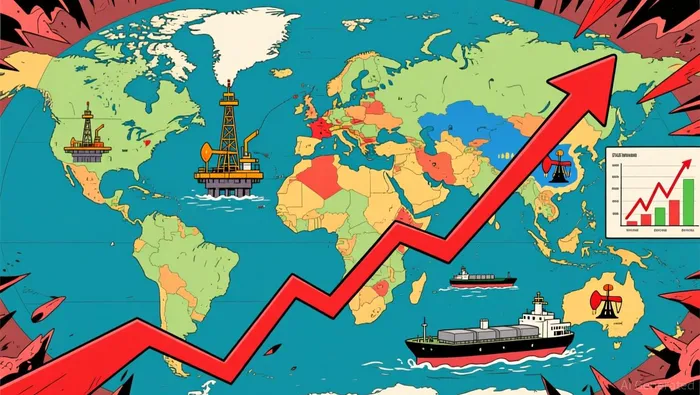
Prior to the invasion, oil prices were relatively stable. However, the geopolitical fallout led to severe sanctions on Russian energy exports, a major global supplier. This created an immediate supply shock. The price of crude oil surged from roughly $90 per barrel to over $130 within months. Investors who understood the mechanics of the supply shock and the geopolitical stakes were able to capitalize on this. Those who held shares in energy exploration companies or invested in commodity ETFs saw significant returns. However, those who lacked a strategy and bought in at the peak without understanding the eventual market correction faced losses when prices normalized as alternative energy sources and diplomatic efforts eased the immediate pressure.
While the potential for profit is high, the risks are equally substantial. Commodity markets are notoriously volatile. Prices can swing wildly based on rumors, weather patterns, or sudden policy changes. Furthermore, geopolitical events are unpredictable; a resolution to a conflict can cause prices to crash just as quickly as they rose. To mitigate these risks, investors must never go "all in." A sound risk management strategy involves diversifying across different asset classes and limiting exposure to any single commodity. It is also vital to conduct thorough research, distinguishing between temporary supply hiccups and long-term structural shifts.
In conclusion, commodity supercycles driven by geopolitical supply shocks offer unique opportunities for informed investors. By understanding the link between political instability and resource scarcity, investors can better anticipate market movements. The key lies in patience, diversification, and a clear strategy that separates emotional reactions from fundamental analysis. While the road can be bumpy, mastering these cycles can provide a powerful edge in building a resilient investment portfolio.