

Investing in commodities can feel like riding a rollercoaster. Prices for oil, gold, wheat, and copper can swing wildly from one day to the next. For investors, understanding the root cause of these price movements is not just academic; it is crucial for making smart portfolio decisions. Two of the most common drivers of commodity price changes are supply shocks and demand Weakness. While both can lead to price volatility, they have opposite implications for the broader economy and different strategies for investors to consider.
To navigate this landscape, we first need to clearly define these two concepts. A supply shock occurs when there is a sudden, unexpected change in the availability of a commodity. This is often caused by external events such as natural disasters, geopolitical conflicts, or unexpected production halts. For example, if a major hurricane disrupts oil drilling in the Gulf of Mexico, the supply of oil drops suddenly.
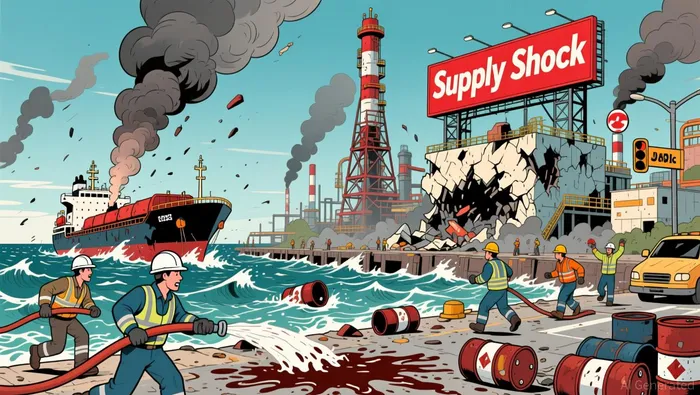
With less oil available but the same amount of people needing it, prices rise sharply. This is an inflationary pressure, meaning it makes goods more expensive to produce and buy.
On the other hand, demand weakness happens when consumers or businesses reduce their purchasing of a commodity. This is usually driven by economic slowdowns, lower consumer confidence, or structural changes in the market. For instance, if a recession causes factories to slow down production, the demand for industrial metals like copper will fall. With fewer buyers and plenty of available metal, prices drop. This is generally deflationary, signaling that economic activity is cooling down.
Distinguishing between these two scenarios is vital because they dictate different investment strategies. If you identify a supply shock, the primary risk is inflation. Investors might look to hedge against rising costs by investing in energy stocks or commodity-focused funds. The goal here is to protect purchasing power. Conversely, if demand weakness is the culprit, the focus shifts to economic health. In this scenario, investors might be cautious about cyclical stocks, which perform well when the economy is strong. Instead, they might look for defensive assets or wait for signs that the economy is recovering before re-entering the market.
Consider the recent oil market dynamics as a case study. In early 2022, oil prices spiked significantly. Was this due to weak demand? No. In fact, global travel was rebounding. The primary driver was a supply shock triggered by geopolitical tensions that disrupted Russian oil exports. Investors who recognized this as a supply-side issue could adjust their portfolios to benefit from higher energy prices. However, if prices had fallen due to a global pandemic-induced lockdown, that would have been demand weakness, requiring a completely different approach.
However, relying on these concepts comes with risks. One major pitfall is misinterpreting a temporary supply disruption as a permanent change, or vice versa. For example, a short-term strike at a mine might cause a price spike, but if production resumes quickly, the price may fall back. Another risk is ignoring the interconnectedness of markets. A supply shock in oil can eventually lead to demand weakness if prices get too high and consumers stop buying. Therefore, thorough research is essential. Investors should monitor inventory levels, production reports, and economic indicators like GDP growth and consumer spending data.
In conclusion, distinguishing between supply shocks and demand weakness is a fundamental skill for commodity investors. Supply shocks drive prices up due to scarcity, while demand weakness drives prices down due to lack of interest. By understanding these drivers, investors can better anticipate market movements and adjust their strategies accordingly. Always remember to combine this knowledge with a robust risk management plan and continuous research to navigate the complexities of commodity markets effectively.