

The pattern matters more than the headline
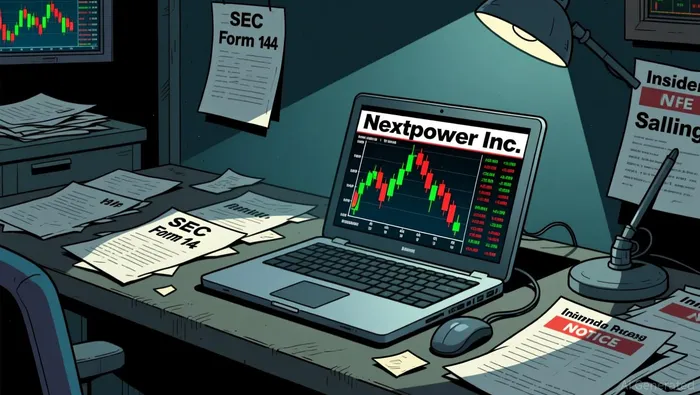
The main concern is not the press reaction. It is that Shugar has again flagged stock for sale, which weakens the case for strong insider alignment. In March, he already sold 39,892 Class A shares on 03/04/2026 for $4,030,687.68. The current Rule 144 notice follows a March filing that covered 59,456 shares worth about $5.97 million, while the earlier filing also recorded that March sale. Repeated selling by the CEO is the signal investors usually watch.
Why the timing matters
NXT recently traded through an 8.3% drop that appeared driven more by solar-sector risk-off trading than by a new company-specific shock. That leaves room for bulls to argue the selloff was overdone. But it also makes insider selling more noticeable, because a routine pullback can quickly start to look like distribution when management is flagging potential supply.
On balance, the filing looks more cautionary than reassuring. A 144 tied to vested awards is not the same as a fire sale, but it still suggests monetization rather than added long-term commitment.
What the 144 filing actually changes
This filing matters because it changes how traders read the stock, not because it proves another block of shares has already hit the market. The latest Form 144 submitted on May 21, 2026 is a notice of proposed sale, so it signals potential supply rather than confirmed execution. Still, once the CEO puts shares for proposed sale into the public record, the market has to price the possibility of additional float, the likely sales method, and whether management treats its compensation as liquid cash before long-term ownership.
The market reads intent, not just volume
The notice does not by itself prove heavy selling pressure. But it does raise the odds that some compensation could turn into sell orders, and that is enough to weigh on sentiment while the timing and method remain unclear.
Vesting-linked sales still raise the supply concern
The filing ties proposed sales to 39,893 and 19,563 shares tied to restricted stock vesting. That does not make it a distress sale, but it does look more like insiders cashing out compensation as it vests than taking a deliberate hold-the-line stance. Investors can usually tolerate some selling if the owner still has meaningful exposure left. Repeated vesting-linked selling without a clear reason can still erode confidence.
The broker detail does not add reassurance
The notice names Fidelity Brokerage Services LLC as a broker/agent on NASDAQ, but the excerpt does not spell out sale timing, dollar flows, or other mechanics beyond the listed values. That keeps the filing in the procedural category. Even so, repeated procedural sale notices can still train investors to expect supply rather than added commitment.
What would change the read from caution to constructive
The filing looks negative on its face. What matters now is what evidence would actually improve the setup.
1. Does the proposed inventory actually hit the market?
The latest Rule 144 notice is still a notice, not proof of execution. The first thing to watch is whether the stock starts moving on realized insider supply rather than sector noise. If the market absorbs that inventory without fresh filings, the bearish read loses force. If new 144 notices keep appearing, investors should assume this was not a one-off.
2. What do follow-up Forms 4 show?
SEC tracking matters more than headlines. Form 4 filings disclose changes in stock ownership by company insiders, including purchases and sales. Investors should watch:
- whether subsequent Forms 4 show smaller post-sale holdings consistent with the proposed inventory being sold
- whether any insider buying shows up at all, since actual buying is the clearest proof of alignment
A prior sale of 39,892 Class A shares on 03/04/2026 for $4,030,687.68 already established a recent pattern of monetization. The next Forms 4 will show whether that pattern is repeating or reversing.
3. Does operating confidence still support the stock?
Bulls still have a real argument. NXT's latest visible company update pointed to higher revenue and an increased full-year outlook, and the recent selloff looked more tied to solar-sector risk-off trading than to a fresh operating shock. If management stops adding sell notices and the business keeps backing that outlook, the setup can improve quickly.
Until those signals appear, the cleaner stance is caution rather than panic.