

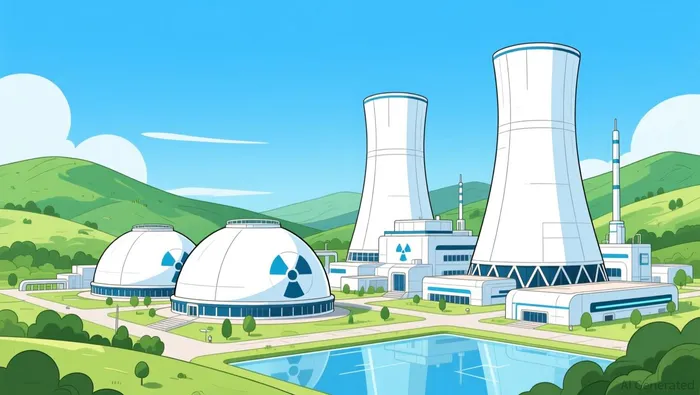
The global energy landscape is shifting dramatically, and nowhere is this more evident than in the American nuclear sector. After decades of skepticism following incidents like Chernobyl and Fukushima, the industry is experiencing a robust revival. This resurgence is not merely a nostalgic return to the past; it is a modernized, technologically advanced movement driven by the urgent need for stable, low-carbon energy. The convergence of artificial intelligence's insatiable power appetite, national security concerns, and breakthroughs in reactor design has created a perfect storm for nuclear energy investors.
What Is Driving The Nuclear Energy Resurgence Today?
The primary catalyst for this renewed interest is the dramatic improvement in safety features and the reduction of construction and operational costs. Modern reactor designs, particularly Small Modular Reactors (SMRs), offer enhanced safety protocols that mitigate the risks associated with previous generations of nuclear power. These innovations are making new plants significantly cheaper to build and operate, addressing the historical economic hurdles that stalled industry growth.
U.S. Secretary of Energy Chris Wright has outlined a strategic vision that places Southern Ohio at the epicenter of this national initiative. The region is leveraging its geographic and infrastructural advantages to support the growing demand for nuclear power. This federal commitment to leveraging regional strengths is accelerating the adoption of advanced nuclear technologies and expanding domestic energy production. The policy and economic drivers supporting this expansion aim to modernize the grid and ensure long-term energy security, signaling a clear shift in government priorities.
How Is Southern Ohio Becoming A Nuclear Hub?
Southern Ohio is emerging as a key hub for the U.S. nuclear industry revival, driven by new power plant developments and technological advancements. The region is benefiting from a combination of new power plant projects and emerging nuclear technologies that are reshaping the local energy landscape. This development marks a significant shift for the area, leveraging its geographic and infrastructural advantages to support the growing demand for nuclear power as a stable and low-carbon energy source.
The influx of new facilities and tech indicates a broader industry trend toward revitalizing nuclear capabilities, with Southern Ohio serving as a primary ground for this comeback. The region's role is not just about generating electricity; it is about creating a localized ecosystem for nuclear innovation. This includes the development of new supply chains, skilled labor markets, and technological hubs that can support the next generation of nuclear infrastructure. For investors, this geographic concentration of activity presents a unique opportunity to track the sector's growth through regional economic indicators and corporate developments.
Why Is Eagle Nuclear Energy (NUCL) In The Spotlight?
Eagle Nuclear Energy (NUCL) is capturing investor attention as it advances the Aurora Uranium Project in Oregon. The company claims the site holds an estimated 37 million pounds of extractable, high-grade uranium, positioning it as the largest measured and indicated uranium deposit in the United States. This project is timed to coincide with a push for a domestic nuclear renaissance, driven by the need to secure raw fuel for the next generation of American power generation.
CEO Mark Mukhija views the project as critical for national security and energy independence, aiming to rebuild domestic uranium production capabilities. The project is increasingly sought after to power energy-intensive infrastructure, such as AI data centers. Eagle Nuclear Energy plans to mine the uranium and potentially refine it at a nearby site in Nevada, while also developing its own SMR technology. The company recently went public to fund the acquisition of 7,500 acres at the site, with core samples from hundreds of drill sites confirming high-grade deposits. This initiative includes backing from financial advisors and venture capital, aiming to secure the raw fuel necessary for the next generation of American nuclear power generation.
What Are The Implications For Investors?
The revival of the nuclear industry presents a multifaceted investment opportunity. On one hand, there is the direct exposure to uranium mining and enrichment, as seen with Eagle Nuclear Energy. On the other hand, there are opportunities in the construction and operation of new nuclear facilities, particularly in emerging hubs like Southern Ohio. The demand for nuclear power is not just theoretical; it is being driven by real-world needs, including the power requirements of AI data centers and the desire for grid stability.
However, investors must also consider the risks. While technological improvements have reduced costs, nuclear projects still require significant capital and time to bring to fruition. Regulatory hurdles, though being streamlined, remain a factor. Additionally, the market for nuclear power is heavily influenced by government policy and subsidies, which can shift over time. Despite these risks, the long-term trend points toward a greater reliance on nuclear energy as part of a diversified, low-carbon energy mix. The key for investors is to identify companies and regions that are well-positioned to capitalize on this structural shift, rather than chasing short-term speculation.