

OECD forecasts pair 4% G20 inflation with slower growth
This is no longer just a headline risk. The OECD has raised its G20 inflation forecast to 4% this year, while global GDP growth is seen easing from 3.3% last year to 2.9% in 2026. Higher inflation together with weaker growth is the core problem: it leaves less room for error in valuation and portfolio construction.
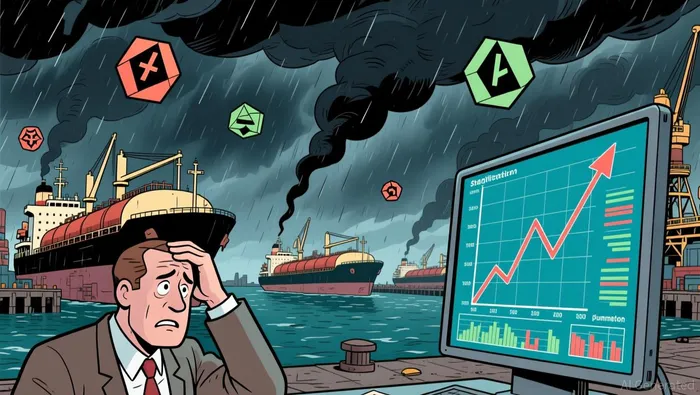
The mechanism is already visible. The OECD tied the outlook to a near-halt in energy shipments through the Strait of Hormuz, a chokepoint that handles roughly 20% of global oil supply. When disruption arrives through energy markets, price pressure can spread quickly beyond services into transport, industrials, and other cost-sensitive parts of the economy. The OECD also warned that further Middle East disruption could trigger repricing on financial markets.
The question now is duration, not direction. Growth is still projected to recover to 3.0% in 2027, but the immediate mix is difficult. When inflation jumps and growth slows at the same time, volatility usually rises first and risk-adjusted returns tend to suffer.
That is the policy trap. The OECD warned of significant downside risk if Middle East disruptions deepen, while central banks face a harder balancing act than in a standard slowdown. By the time the damage shows up clearly in growth data, market positioning may already have moved.
Why this shock matters more than a typical slowdown
Energy prices turn a demand slowdown into a cost-push problem
A normal slowdown often helps cool inflation. This shock works the other way around: it raises costs first and drags on growth second. With Brent crude averaging $117 a barrel in April and daily prices reaching $138 on April 7, the transmission channel is immediate. Transport, chemicals, plastics, fertilizers, and many other sectors can see input costs jump at once, which makes this more than a simple demand problem.
Higher inflation can keep rates sticky while growth softens
When energy moves through the economy this quickly, earnings can be squeezed from both sides: margins come under pressure before demand weakness is fully visible, while higher inflation keeps rate sensitivity front and center. The OECD says U.S. inflation is projected to hit 4.2% in 2026, which helps explain why bonds may not act as a clean hedge if growth also slows.
The euro area looks more exposed because of energy costs
Regional exposure matters. The OECD has cut euro area growth to 0.8% in 2026 due to high energy costs. That leaves less room for error than a standard cyclical slowdown. The U.S. is also not getting a clean relief valve: U.S. GDP growth is expected to slow to 2.0% this year and 1.7% in 2027, even with strong investment in artificial intelligence partially offsetting the hit.
Central banks face a stagflation-style dilemma
That dilemma is central to the market setup. As higher inflation implies tightening, but slowing growth implies easing, policymakers are left balancing opposing pressures. Vanguard's point is straightforward: this high-inflation, low-growth mix could weigh on both stocks and bonds. Nomura also sees tightening pressure in some markets, with Malaysia, Australia and Singapore potentially tightening as oil-driven inflation risks rise.
Fiscal strain could add a second-order pressure
Geopolitical stress can also feed back into public finances. Historical defense booms show defense outlays increase by about 2.7 percentage points of GDP over two-and-a-half years, and public debt jumps by about 14 percentage points in wartime episodes. That does not have to happen here for the market implication to matter. If investors start pricing larger deficits alongside stickier inflation, longer-duration assets could become less attractive.
What investors should watch if the oil shock persists
With seven major central banks meet amid surging energy prices, the near-term job is to prepare for a period of repricing rather than dismiss the move as temporary noise. The practical response is less about chasing a narrative and more about building for resilience.
What looks more resilient
- Quality businesses with pricing power
- Short-duration or floating-rate exposure
- A selective commodity hedge where appropriate
What looks more vulnerable
- Broad cyclical beta
- Long nominal duration
- Highly valued growth without earnings support
What would weaken the bearish setup
- A quicker normalization in oil transit and prices
- A faster decline in energy costs from current levels
- A clearer disinflation path without another escalation in Middle East disruption
This remains a repricing environment first and an alpha opportunity second. The cleaner signals will come from policy decisions, energy markets, and whether inflation expectations start to de-anchor rather than from optimistic assumptions about how quickly the shock will pass.