

Oil prices pulled back in early Asian trade Tuesday, with Brent crude falling about 1% to $98.40 a barrel and WTI dropping 1.7% to $97.40 in early Asian trade on Tuesday. The move comes after President Trump announced that Tehran had contacted Washington expressing interest in a deal, signaling a potential de-escalation path Trump said that Tehran has contacted Washington.
The retreat represents a correction from Monday's surge, when Brent spiked as much as 9.1% to nearly $104 and WTI jumped 9.4% toward $106 following Trump's threat to blockade the Strait of Hormuz Brent crude surged as much as 9.1%. That rally had been driven by fears the conflict would persist and disrupt a critical shipping artery through which roughly 20% of global oil supply flows Around 20% of the world's oil supply.
The key question for investors is whether this marks a meaningful shift or simply a short-term pullback. JPMorgan's Q2 forecast still places Brent above $100 on average for the quarter, suggesting analysts view the current dip as tactical rather than structural Brent crude fell by about 1%. The market is essentially pricing in a binary outcome: either negotiations yield a durable settlement and prices normalize, or the blockade materializes and supply concerns reignite the rally.
For now, the immediate catalyst is clear-traders are responding to the possibility of diplomatic resolution. But the macro backdrop remains fragile, with the Strait of Hormuz still effectively closed and US Energy Secretary Chris Wright expecting prices to peak "in the next few weeks" until we get meaningful ship traffic through the Strait of Hormuz.
What the Negotiations Actually Involve
The substantive gap between the parties is stark. Iran proposed suspending uranium enrichment for up to five years, an offer Washington rejected outright, insisting on a 20-year freeze an offer rejected by the US which insisted on 20 years. That's a fourfold difference in duration that defines the core impasse.
Vice President JD Vance made clear the US red line after the failed talks in Islamabad, blaming Tehran's refusal to abandon its nuclear weapons programme for the collapse Vance blamed the collapse of the talks on Tehran's refusal to abandon its nuclear weapons programme. His team "been very clear on its red lines," according to reports, leaving little room for ambiguity on what Washington considers non-negotiable.
Even if diplomacy succeeds, the market mechanics impose their own timeline. Analysts project a meaningful decline in oil prices would take around 3-6 months to materialize, even in a best-case scenario a meaningful decline in oil and gas prices would take around 3-6 months. The war has already drawn down inventories and taken 10-11 million barrels per day offline, creating a supply deficit that won't vanish with a signed agreement.
Then there's the blockade uncertainty. The US has ordered a blockade on vessels entering or leaving Iranian ports, adding a new layer of risk to a waterway that has been all-but-shut since the war began The U.S. blockade on vessels entering or leaving Iranian ports adds to uncertainty. Roughly one fifth of global oil and gas exports normally transit the Strait of Hormuz, and while some tankers have recently passed through, the threat of escalation remains tangible.
The market is pricing in a binary outcome: either negotiations yield a durable settlement and prices normalize, or the blockade materializes and supply concerns reignite the rally. But the substantive gaps and the lag time before any price impact suggest investors should treat the current pullback as tactical rather than structural.
The Macro Cycle Context
The current oil price pullback unfolds against a macro backdrop that has shifted meaningfully since the conflict began. The dollar is set to rise on Monday after falling 1.4% last week after falling 1.4% last week, a reversal that typically pressures commodity prices. Elevated real rates continue to weigh on risk assets broadly, creating a headwind that has little to do with Iran negotiations and everything to do with the broader financial cycle.
But the more critical macro signal lies in the physical market. The Strait of Hormuz remains effectively constricted-only 11 vessels transited on April 6, all taking the IRGC-controlled Northern Corridor route via Larak Island only 11 vessels transited on April 6. That number is a fraction of the ~138 vessels that normally pass through daily pre-conflict. The blockade order issued April 13 adds a new layer of structural constraint, targeting one of Iran's primary funding streams through oil exports the administration aims to cut off one of the Iranian regime's major sources of funding.
Meanwhile, the ghost fleet continues operating-loading cargo, transiting the Strait, and heading east toward China the Ghost Fleet continues to operate actively. Diesel and gasoil "on the water" swelled to 205 million barrels as of April 6, up 12% in nearly two weeks, as tankers are chartered to ship middle distillates on longer journeys to Asia 205 million barrels as of 6 April - up 12% in nearly two weeks. This floating inventory buildup reflects a market adjusting to disrupted flows, not a market with surplus supply.
The structural supply constraint persists regardless of negotiation outcomes. Even if diplomacy succeeds, the inventory drawdown, the blocked waterway, and the financial cycle headwinds (strong dollar, elevated real rates) mean prices face a floor. The question is not whether supply is tight-it is-but whether the macro backdrop allows prices to test that floor or pushes them higher through financial channels.
Catalysts and Scenarios to Watch
The market now faces a clear set of inflection points that will determine whether the current pullback proves temporary or marks the beginning of a sustained reversal. Near-term, a formal announcement of resumed talks or a second ceasefire could push Brent toward $95 oil prices receded after Trump announced a two-week ceasefire. But sustained moves below $90 require something more substantive: confirmed restoration of supply through the Strait of Hormuz.
The market is testing whether the "temporary setback" narrative holds. That narrative assumes negotiations will eventually yield a settlement and the waterway reopens. But the physical reality is stark-only 11 vessels transited the Strait on April 6, a fraction of the ~138 daily pre-conflict level only 11 vessels transited on April 6. Until tanker AIS data shows a meaningful uptick in transit volumes, the supply deficit of 10-11 million barrels per day the war has taken 10 to 11 million barrels of crude oil offline per day remains in place.
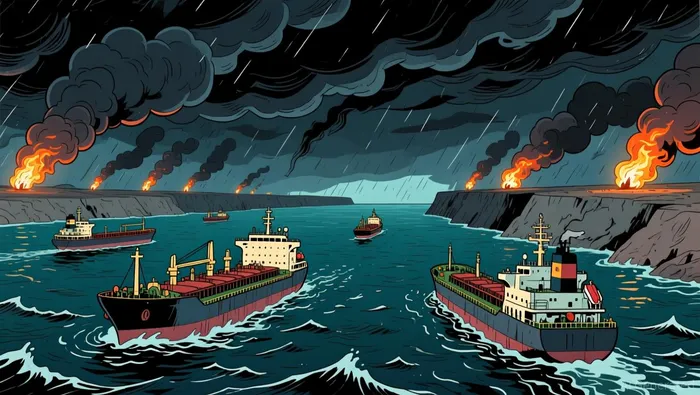
Here are the key scenarios to monitor:
Resumed diplomacy could provide a near-term relief rally. A formal announcement of renewed talks or an extended ceasefire would likely push prices toward $95, as traders price in a higher probability of resolution. However, analysts caution that even in a best-case scenario, meaningful price declines take 3-6 months to materialize a meaningful decline in oil and gas prices would take around 3-6 months. The inventory drawdown and blocked waterway create a lag that diplomacy alone cannot shortcut.
A confirmed deal must address the substantive gap that sank the first round of talks. Iran proposed a five-year suspension of uranium enrichment; Washington demanded 20 years-a fourfold difference that defines the core impasse an offer rejected by the US which insisted on 20 years. Any durable settlement needs to close that 15-year gap. Without it, the market will remain binary: negotiations proceed, or the blockade materializes and prices surge again.
The physical supply restoration is the ultimate litmus test. The US blockade order targeting vessels entering or leaving Iranian ports adds a new layer of structural constraint The U.S. blockade on vessels entering or leaving Iranian ports adds to uncertainty. Until that blockade lifts and Hormuz transits normalize, prices face a firm floor. The ghost fleet continues operating, with 205 million barrels of diesel and gasoil "on the water" as of April 6, reflecting a market adjusting to disrupted flows rather than surplus supply 205 million barrels as of 6 April - up 12% in nearly two weeks.
The macro backdrop complicates everything. A strengthening dollar and elevated real rates create a financial headwind that has little to do with Iran negotiations after falling 1.4% last week. Even if diplomacy succeeds, these forces will cap upside. But they also mean prices cannot fall far without a genuine supply restoration.
The bottom line: watch the AIS data. Tanker transit volumes through Hormuz will tell you whether the physical market is actually loosening-or whether the current pullback is merely a tactical pause before the next leg higher.
The Takeaway: What This Means for Positioning
The market is currently pricing a temporary risk premium swing, not a structural supply shift. Oil's retreat to the high $98s for Brent reflects traders capitalizing on a diplomatic opening, but the underlying physical deficit remains intact. Expect volatility to persist within a $95-$105 band as the market oscillates between negotiation headlines and the stubborn reality of constrained flows through the Strait of Hormuz.
Cycle logic suggests caution on shorting. The macro backdrop-strengthening dollar, elevated real rates-creates a financial headwind, but it also means prices cannot fall far without genuine supply restoration after falling 1.4% last week. JPMorgan's Q2 forecast keeping Brent above $100 on average provides a firm floor reference; the market is effectively testing whether that floor holds or cracks crude oil trading prices would hover at around $100 a barrel.
Here's the practical framework:
Near-term (weeks): Prices will react to diplomatic headlines. A formal announcement of resumed talks or extended ceasefire could push Brent toward $95. But analysts caution that even in a best-case scenario, meaningful price declines take 3-6 months to materialize a meaningful decline in oil and gas prices would take around 3-6 months. The inventory drawdown and blocked waterway create a lag diplomacy alone cannot shortcut.
The shorting trap: Going short on oil now assumes the risk premium is evaporating. But the physical market tells a different story-only 11 vessels transited the Strait on April 6, a fraction of the ~138 daily pre-conflict level. The war has taken 10-11 million barrels per day offline, and the US blockade order targeting vessels entering or leaving Iranian ports adds fresh structural constraint The U.S. blockade on vessels entering or leaving Iranian ports adds to uncertainty. Until that changes, the supply deficit persists.
The key watchpoint: Watch for Brent sustaining below $90 alongside confirmed restoration of Hormuz transit volumes. That combination would signal the risk premium has truly evaporated. Absent that confirmation, treat any moves below $95 as tactical selling opportunities rather than the start of a sustained downtrend.
The bottom line: the market is pricing a binary outcome-deal and prices normalize, or blockade and prices surge. But the substantive gaps (20 years vs. 5 years on enrichment) and the lag time before any price impact suggest the current pullback is tactical. Position accordingly-stay long the floor, watch the AIS data, and resist the urge to short until physical supply actually recovers.