

Mina Al Fahal evacuation turns a security scare into an immediate supply question
Oman has evacuated all vessels from Mina Al Fahal, a key export hub that handles around one million barrels a day of Omani crude. That moves the story beyond the Strait of Hormuz and into real lost volume.
The threat also looked more concrete elsewhere in the region. Two crude tankers were hit in Iraqi waters, and Iraq subsequently suspended operations at its oil terminals. When shipping and terminals are both under pressure, traders start underwriting actual disruptions rather than just a regional risk premium.
That creates the core debate. If the evacuation is brief, oil may spike on fear and then unwind. If it marks the start of a broader Gulf export squeeze, the market may still be underestimating the hit to available crude.
Alternative routes are losing some of their flexibility
Mina Al Fahal is the trigger, but the market impact now depends on whether other outlets can absorb the displacement.
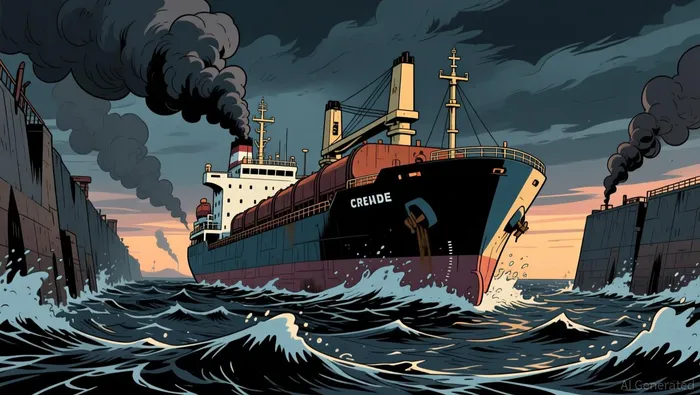
Technically open does not always mean practically usable
The first market comfort is usually diversion: if one hub is disrupted, cargo shifts elsewhere. That cushion weakens when backup ports also show friction. Yanbu is still able to export oil, and loadings continue from Fujairah, but some shipowners are avoiding the port. The issue is not just terminal availability; it is whether routes can still move cargo end-to-end when risk appetite and tanker supply tighten at the same time.
Once alternatives stop functioning as real alternatives, the premium can spread through the crude complex. The market is no longer pricing a single-port outage; it is pricing a thinner routing network with less room for error.
Oman's other outlets are also coming under pressure
This is no longer only a Gulf-of-Oman story. In Oman, Salalah port suspended all terminal operations after drones struck fuel storage tanks. That widens the disruption beyond crude loading into storage and product handling.
Further north, the Black Sea is adding another constraint. Sheskharis typically loads about 700,000 barrels of oil per day, and exports from the terminal have been suspended. The same source also says exports from Ust-Luga have been suspended after drone strikes. The problem is not only the volume lost from one terminal; it is that export capacity is being hit in more than one basin.
Why the pressure can spread from crude into products
The second-order effect matters. Russia's refinery cuts mean less fuel output just as gasoline exports are banned until July 31. That pushes tightness beyond crude into refined products, where shorter supplies can keep freight firm and make relief rallies shorter-lived.
Watch three mechanisms: - Routes: Can Fujairah and Yanbu absorb displaced flows if tanker avoidance persists? - Terminals: Salalah is offline after drone damage, and Sheskharis has been hit by attacks. - Product spillover: Russian refinery cuts and the gasoline export ban widen pressure from crude into fuels.
If those pressure points keep compounding, oil stops looking like a headline-driven scare and starts looking like a more sustained barrel- and fuel-market squeeze.
What would keep the premium alive-and what would break it
The setup is already visible: vessels were evacuated from Mina Al Fahal, some shipowners are avoiding Fujairah, and Iraq suspended operations at its oil terminals after tankers were hit.
Signs the disruption is still broadening
The premium remains alive if loadings continue from Fujairah but tanker avoidance does not. It strengthens if Salalah port suspended all terminal operations and stays impaired, because that would show Oman's alternative outlets are not clean substitutes. Another incident against tankers in Iraqi waters would also support the view that the export network, not just one port, is under pressure.
Signs the thesis is weakening
The opposite would be clearer too. If vessels begin returning to Mina Al Fahal and loadings resume, the disruption looks more temporary. If traffic normalizes at Fujairah and shipowners stop avoiding the port, the alternative-route premium loses force. And if Omani alternatives stay intact while Salalah reopens, the picture shifts from spreading friction to short-term risk management.
The key variable is duration. If the signposts improve together, the premium can fade quickly. If they worsen, the market may still have more supply and routing risk to price in.