

OpenAI is pushing Codex beyond programming and into broader enterprise work.
At its “Intelligence at Work” event on June 2, OpenAI introduced a new set of Codex workflow plugins designed for roles including stock investing, investment banking, data analysis, creative production, sales and product design.
The strategic signal is clear: after coding agents proved they can become serious productivity tools, OpenAI wants to turn Codex into a broader workplace platform.
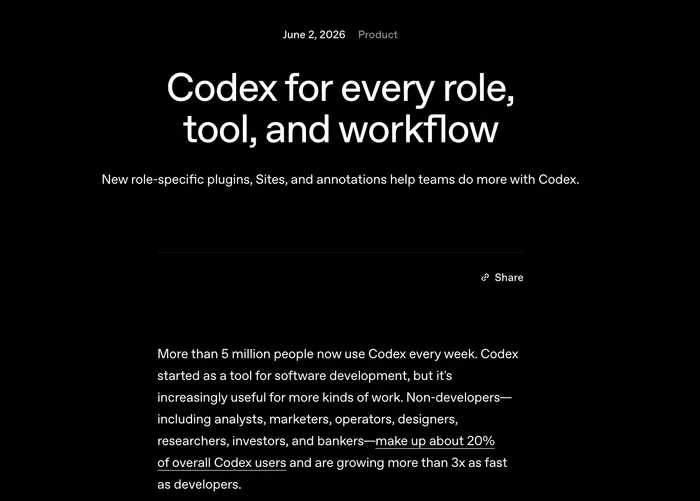
Codex Is Becoming A Workplace Agent Platform
Codex began as an AI coding tool for developers. But as the AI industry moves deeper into the agent era, the market is increasingly focused on whether these systems can expand beyond software engineering and take over more tasks handled by knowledge workers.
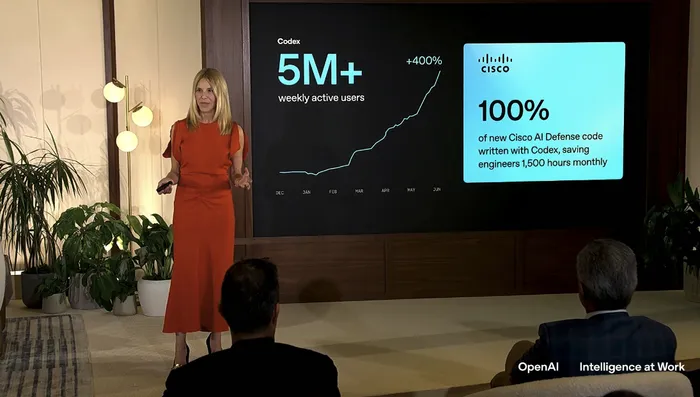
OpenAI chief revenue officer Denise Dresser said Codex reached 5 million weekly active users last weekend. Notably, 20% of those users are not programmers.
She also said enterprise revenue already accounts for 40% of OpenAI’s total revenue, and that share is expected to reach 50% by the end of this year.
OpenAI’s enterprise product lead Alexander Embiricos said Codex will be added to ChatGPT in the coming weeks, allowing ChatGPT’s 1 billion global users to experience how agents can support work and daily tasks.

Six Role Plugins Cover 110 Skills
The main launch was six role-based Codex plugins covering data analysis, creative production, sales, product design, public equity investing and investment banking.
Together, these plugins include 110 skills and can connect with 62 external applications. The shift is important: instead of asking users to build every workflow manually, OpenAI is packaging role-specific instructions, workflows, tools and external apps into ready-made systems.
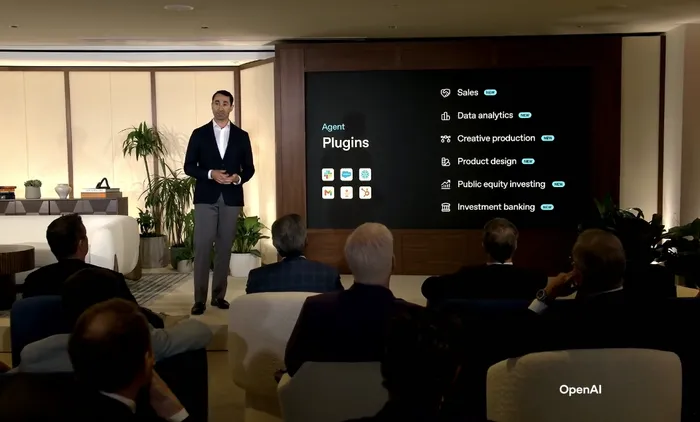
The data analytics plugin helps users explore product and business datasets, explain metric changes, and create reports or dashboards with tools such as Snowflake and Tableau.
The creative production plugin can turn a brief into reviewable creative assets, campaign boards, display-ad variants, product-scene images and ecommerce-ready materials, with support for tools such as Figma and Canva.
The sales plugin helps teams identify priority accounts and sales signals, prepare for meetings, follow up afterward, update customer profiles, build closing plans and review risky deals.
The product design plugin helps teams explore product directions, review user flows, generate prototypes from webpage links and turn static screenshots into interactive experiences.
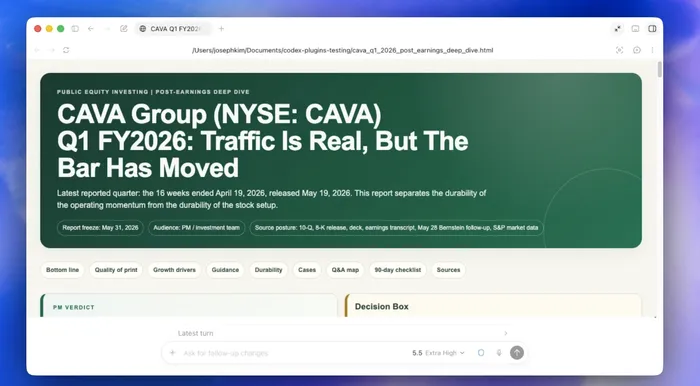
For finance users, the public equity investing plugin helps review earnings, compare companies, track key market signals and use professional data sources to judge whether an investment thesis is strengthening or weakening.
The investment banking plugin helps turn research, due diligence, comparable-company analysis and precedent-transaction work into client-facing materials such as pitch decks, recommendations and proposals.
The Enterprise Read-Through
OpenAI emphasized that more role-based plugins are coming, including corporate finance, private equity, marketing strategy, strategy consulting and legal work.
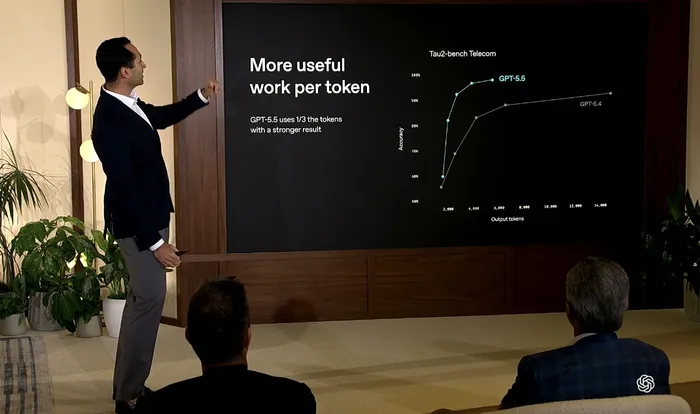
The company also addressed token-cost concerns. Using GPT-5.5 as an example, OpenAI said it will continue pursuing better results with fewer tokens, which matters if agent workflows are going to scale across enterprises.
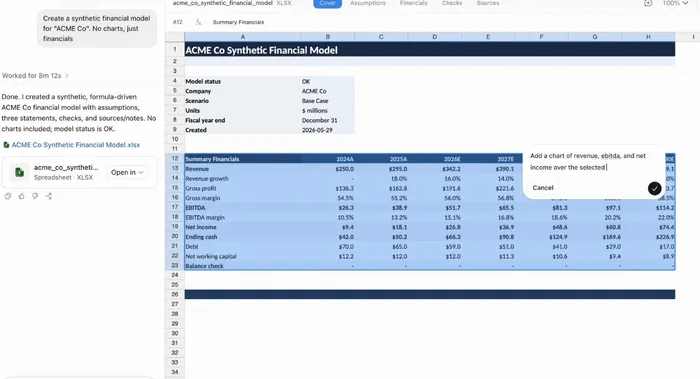
OpenAI also introduced Annotations and Sites. Annotations let users tell Codex what needs to be changed in its output, such as adding figures to an earnings analysis or turning spreadsheet data into charts.
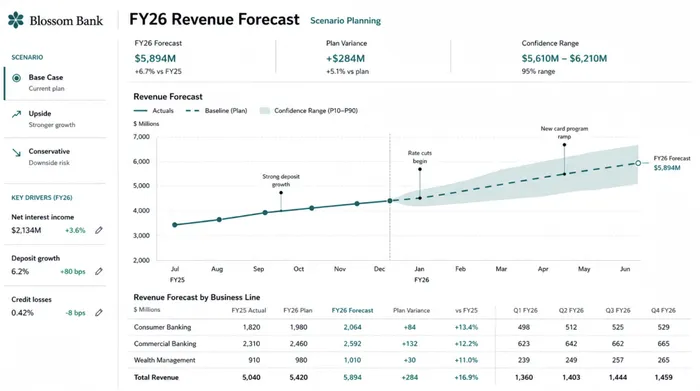
Sites let users create and share interactive webpages and applications that display human and AI work, such as financial analysis or campaign dashboards.
The investment read-through is straightforward. Codex is no longer being positioned only as a coding assistant. OpenAI is trying to make it a role-based agent platform for finance, analytics, sales, design, marketing and other enterprise workflows.
The opportunity is that AI agents could move from demos and chat interfaces into daily work systems. The risk is whether these workflows are reliable enough, cheap enough and integrated enough to become routine enterprise tools.
This version keeps the article closer to the original rhythm: fewer subheadings, more continuous narrative, less like a product manual.