

PR TIMES, a Tokyo-listed press release distribution platform, corrected information in its annual shareholder meeting materials this month. Then, five days later, it filed a full disclosure about its controlling shareholder relationship with its parent company, Vector Inc. The correction was the tip. The disclosure is the point.
Vector Inc. holds 52.6% of PR TIMES's voting rights. Vector is also in serious trouble: its founder Keiji Nishie sold roughly 13.1 million shares in off-market deals last December, lost his top shareholder status, and the company is navigating what industry press is calling a debt crisis and governance scandal, with leadership transferred to an "unconventional entrepreneur/entertainer."
That was weird. Or it would be, if you weren't in Japan, where parent-subsidiary control structures like this are common and rarely dramatic - until they are.
The official filing describes PR TIMES as a "Technology Company" within the Vector Group. Vector's main business is strategic public relations work - planning, execution, the full-service agency model. PR TIMES runs Japan's largest press release distribution platform. The filing says the importance of PR TIMES's business within the Vector Group "is considered to be low." Vector's own filing uses that phrase. A parent company describing its publicly traded subsidiary as unimportant. That's the kind of institutional language that should make you pay attention, not because it's malicious, but because it tells you something about how the parent thinks about the subsidiary.
The basic point is this: Vector controls over half of PR TIMES's votes, but in operational terms, the two companies barely talk. Since November 2021, no PR TIMES directors have served concurrently at Vector. For fiscal year 2025, sales to the Vector Group accounted for just 1.3% of PR TIMES's consolidated revenue. Management says this ensures independence.
Independence from whom, exactly, and what does the voting stake do that independence doesn't?
Here's the plumbing. Vector's founder Nishie used to control Vector. Nishie sold his stake to an asset manager called Freeway in December 2025. The governance scandal at Vector involved a leadership transfer - the exact details of which aren't fully clear from English-language reporting, but the earned-first article describes a debt crisis, a founder who lost control, and a new leader who is less of a corporate executive and more of an "entrepreneur/entertainer." Meanwhile, PR TIMES's own CEO, Takumi Yamaguchi, holds 6.1% of voting rights separately.
So the situation is this: a distressed parent company with 52.6% of a subsidiary's votes. A subsidiary that doesn't really need the parent for business (1.3% of sales). A founder who's no longer in charge. A new leadership team whose competence profile is being described in terms that sound like a joke but aren't.
The correction filing, issued on May 22, 2026, was a "partial correction" to materials for the 21st Annual General Meeting of Shareholders. The controlling shareholder disclosure came May 27. The timing matters. Japan requires companies with a controlling shareholder to disclose the relationship and describe safeguards for minority shareholders. PR TIMES's disclosure notes it compares transaction conditions with third parties to ensure "economic rationality." That's the safeguard. If Vector tries to run PR TIMES like a piggy bank, the filing says, well, they'll check the terms against market rates.
This is basically the Japanese corporate governance equivalent of "trust us, we won't do anything stupid with your money." It's not a side letter. It's not a poison pill. It's a paragraph saying the company intends to act reasonably.
The interesting question isn't whether PR TIMES is a good business. It's what happens to a 52.6% voting stake when the holder is in distress. Control is a right. Distress turns rights into assets that someone will eventually want to sell, swap, or use as collateral. You don't need to be a conspiracy theorist to notice that whoever controls Vector now - Freeway, or the new management team, or someone else down the line - holds a controlling interest in a listed company that generates cash and barely interacts with its parent.
That's a structure. Structures have incentives. The incentive here is obvious: control a profitable subsidiary while the parent is reorganizing, then decide later whether to keep it, sell it, or extract value from it. That's not securities fraud. It's corporate structure. It's the same pattern you see in distressed holding companies, private equity carve-outs, and every Japanese group company that got spun out but never fully let go.
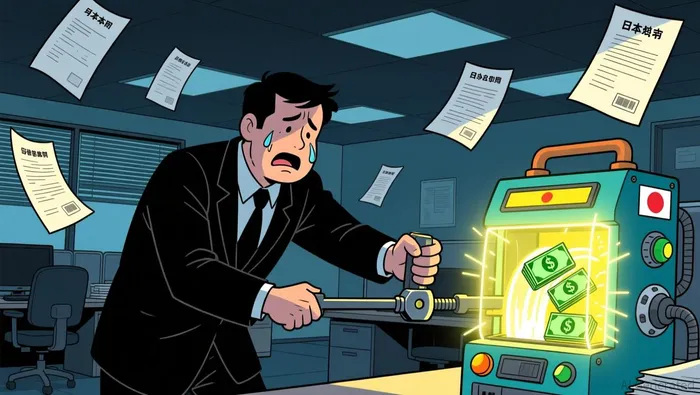
The label is "minority shareholder safeguards." The economic reality is that the safeguards are whatever Vector decides not to do. If Vector's new leadership wants to extract value from PR TIMES, the 52.6% stake gives them the votes. The 1.3% intercompany sales ratio doesn't stop a board from approving a dividend policy, a capital raise, or a business combination. The absence of shared directors doesn't stop a controlling shareholder from voting at a shareholder meeting.
Anyway, the economic point is simpler than that. PR TIMES looks like an independent company that happens to have a distressed parent sitting on more than half its votes. The filing corrects what gets disclosed. The structure corrects nothing. The question for anyone on the other side of that 52.6% stake is whether the person or institution that now controls Vector thinks about PR TIMES the same way Vector's old filing did - as a low-priority technology subsidiary - or as something worth doing more with.
Soft on timing, hard on structure: I don't know when or if anything changes. But the correction filing isn't the story. The story is what a 52.6% voting stake looks like when the parent is no longer stable. Classification boundaries matter most when the classification itself becomes fragile.