

A Form 144 was filed on April 17, 2026, disclosing a proposed sale of 42,689 shares of Hyatt Hotels Class A Common Stock via J.P. Morgan Securities LLC. The shares are being sold by co-trustees of a Pritzker Family U.S. Situs Trust, with the original allocation dating back to August 17, 2010 15 years and 8 months ago. At current prices around $172.68, the stake is worth approximately $7.4 million as of April 20.
This is not an executive cashing out compensation. It is a trustee-level disposition by the founding Pritzker family - the same family that built Hyatt into a global hospitality empire. The distinction matters: executive sales often reflect personal liquidity needs or confidence signals. Trust-level sales, especially by family entities that have held shares for over a decade and a half, typically reflect estate planning, diversification, or family governance decisions rather than a read on the company's near-term prospects.
The filing triggers transparency requirements because it exceeds the 5,000-share or $50,000 thresholds under Rule 144 requiring SEC disclosure. But the mere act of filing tells us nothing about whether the Pritzker family believes Hyatt is undervalued or overvalued. It tells us only that a large, long-held position is being reduced - a common occurrence in family wealth management after 15+ years of ownership.
Insider Context: What the Pritzkers Have Been Doing
The Pritzker family's proposed $7 million sale stands in contrast to what we're seeing from Hyatt's executive insiders. While the family trust files a Form 144 for a trustee-level disposition, the recent Form 4 filings from March 2026 show something different entirely: option awards being granted to executives, not shares being sold.
That distinction matters. Executive option awards represent compensation being granted - a vote of confidence from the board - whereas the Pritzker filing represents a reduction of an existing stake held for over 15 years. One signals alignment with shareholders going forward; the other reflects estate planning and portfolio diversification after more than a decade and a half of ownership.
What's more, there's no evidence of multiple insiders selling simultaneously. A coordinated exodus would look different - multiple Form 4s showing dispositions across the executive team in a narrow window. What we see instead is a single trustee-level filing against a backdrop of executive compensation activity.
The Pritzker sale is real. But it's happening in isolation, not as part of a broader pattern of insider departure. That leaves the question open: is this a signal, or simply the mechanics of family wealth management after 15+ years?
What Smart Money Should Watch
The Pritzker family trust's proposed $7 million Hyatt sale is a data point, not a decision framework. For insider-focused investors, the question isn't whether to react - it's what to watch for next.
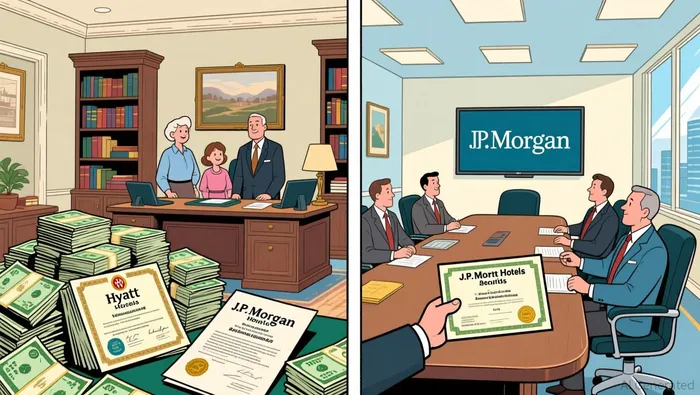
Trust-level sales like this one filed via J.P. Morgan Securities LLC typically reflect estate planning and portfolio diversification after 15+ years of ownership, not a fundamental view on the business. The Pritzker family built Hyatt. They're not trading on operational intelligence the way executives do. Confusing the two leads to bad signals.
Here's what matters: watch for additional Form 144s from other Pritzker-related entities in the coming weeks. A single trust filing is noise. Multiple filings across family trusts or affiliated entities within a narrow window would be a different story - that would suggest coordinated reduction, not isolated estate planning. Until then, treat this as one family's wealth management, not a conviction signal.
The market's reaction tells you something, too. Hyatt shares closed essentially flat on April 20 at $172.68, up 0.12% - no meaningful move despite the filing. If this were a genuine insider conviction breakdown, you'd expect selling pressure. You don't see it.
The bottom line: one trust's sale does not equal insider conviction breakdown. Wait for more data. Watch for patterns. The smart money doesn't trade on isolated Form 144s - it trades on clusters, on coordination, on alignment (or lack thereof) across the insider ecosystem. This is a blip, not a trend. Not yet, anyway.